








Ancient Origins
Rhinos are living relics, with ancestors that roamed the Earth long before humans ever existed. These majestic creatures boast an lineage stretching back
millions of years, and some prehistoric species were significantly larger than their modern-day counterparts. This deep history contributes to their imposing, almost primeval appearance, reminiscent of creatures from a bygone era. Their long presence on the planet underscores their resilience and established place within the natural world, a testament to their evolutionary journey.
Keratin Not Bone
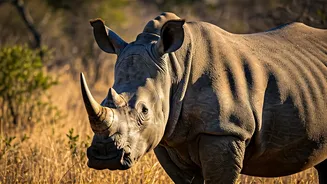
Contrary to popular belief, a rhino's prominent horn is not composed of bone. Instead, it is primarily made of keratin, the very same protein that forms human fingernails and hair. This distinction is crucial, yet unfortunately, the demand for rhino horns on the black market continues to fuel illegal hunting, pushing these animals further into peril. Despite their natural composition, the perceived value of their horns remains a significant threat to their survival.
Surprisingly Swift
Don't let their formidable size deceive you; rhinos are capable of remarkable speed. When provoked or feeling threatened, these large mammals can gallop at impressive paces, reaching speeds close to 50 kilometers per hour. This surprising agility allows them to evade danger or charge with surprising ferocity, demonstrating a capacity for quick movement that belies their bulky frame.
Long Motherhood
Rhino calves share an exceptionally long bond with their mothers. This period of intense maternal care can extend for up to three years, during which young rhinos learn vital survival techniques and remain under the protective watch of their mothers. This extended nurturing phase is essential for equipping them with the skills needed to navigate the challenges of the wild and ensure their successful transition to independence.
Feathered Friends
In their natural habitats, particularly in Africa, rhinos often host avian companions known as oxpeckers. These small birds engage in a symbiotic relationship, feeding on ticks and other parasites found on the rhino's thick skin. This practice benefits the oxpeckers by providing a food source and, in turn, helps keep the rhino clean and free from irritating pests, contributing to their overall health.
Everlasting Threat
Despite their ancient lineage and unique characteristics, rhinos remain critically endangered. The persistent threats of poaching and habitat loss continue to decimate their populations. While dedicated conservation initiatives in various regions have seen some success in protecting certain species, many rhino populations are still teetering on the brink of extinction, necessitating urgent and ongoing global efforts.
Limited Vision
Rhinos possess rather poor eyesight, especially when attempting to focus on distant objects. Consequently, they rely heavily on their acute sense of hearing and their strong olfactory capabilities to perceive their surroundings and detect potential threats or opportunities. These finely tuned senses compensate for their visual limitations, enabling them to stay aware of their environment.
Five Surviving Species
Currently, the world is home to five distinct species of rhinoceros: the White Rhino, Black Rhino, Indian Rhino, Javan Rhino, and Sumatran Rhino. These species are distributed across different regions, with some found in Africa and others inhabiting parts of Asia. Sadly, a significant number of these species are classified as critically endangered, highlighting the urgent need for their conservation.
Mud Baths Vital
Rhinos frequently indulge in mud baths, and this behavior serves a crucial purpose beyond mere cooling. The mud acts as a natural sunscreen, shielding their sensitive skin from the sun's harsh rays, and also provides a barrier against insect bites. This practice is a vital adaptation for protecting their delicate skin from environmental irritants and damage.
Ecosystem Engineers
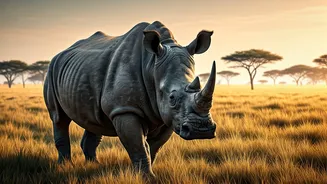
Rhinos play an unexpectedly vital role in maintaining the health and balance of their ecosystems. Through their grazing and movement patterns, they help to shape and preserve grasslands, creating open spaces and varied habitats that benefit a wide array of other wildlife species. Their presence contributes significantly to the overall biodiversity and ecological stability of their environments.