



A Floral Fairytale
While Japan is globally celebrated for its cherry blossoms, India holds its own breathtaking floral event in the starkly beautiful region of Ladakh. Every
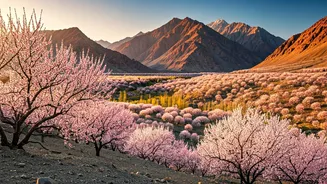
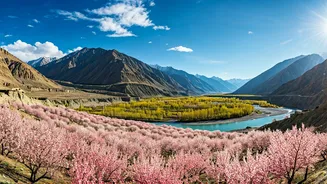
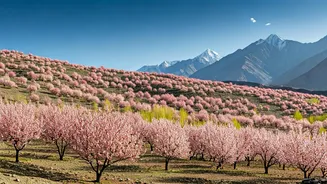
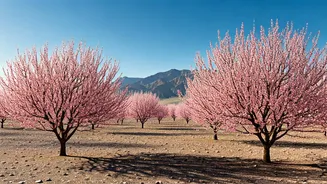
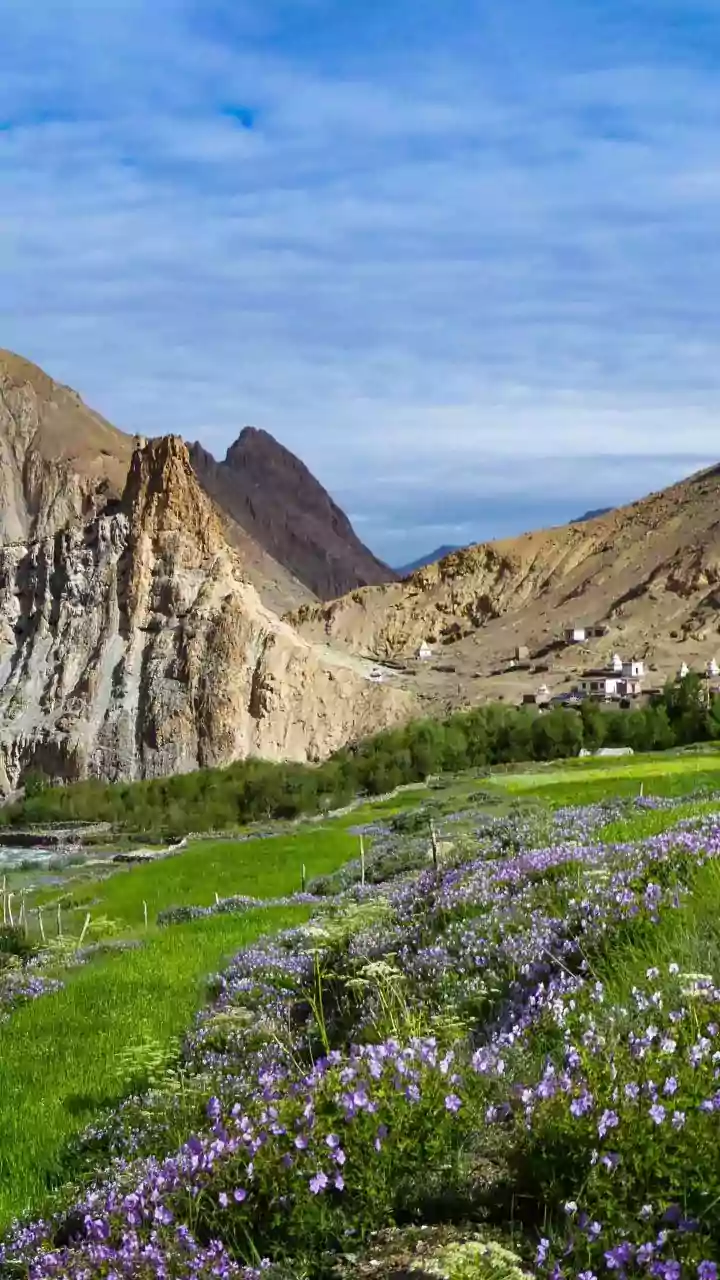
spring, this high-altitude desert transforms into a dreamscape as apricot trees burst into a riot of delicate pink and white flowers. Imagine villages adorned with these blossoms, set against a dramatic backdrop of snow-capped peaks and impossibly blue skies. This natural spectacle rivals any other spring bloom, offering a serene and less-trodden alternative for nature enthusiasts seeking a unique travel experience.
Blooming Window
The magical apricot blossom season in Ladakh is a fleeting spectacle, typically gracing the landscape between late March and mid-April. The exact timing is highly dependent on the prevailing weather conditions, making it a precious and transient event. This short blooming period, often lasting only two to three weeks, imbues the experience with a sense of urgency and specialness, as if witnessing a moment that will soon vanish. The ephemeral nature of these blooms adds to their charm, making them a highly sought-after sight for those fortunate enough to be there at the right time.
Prime Viewing Spots
To witness the apricot trees in their full floral glory, several locations in Ladakh stand out. Leh, the administrative capital, offers accessible orchards, while the Nubra Valley, with its unique desert landscape, provides a stunning contrast to the delicate blooms. The remote village of Turtuk, once part of Pakistan, is another gem where apricot orchards paint the scenery. Many travellers note that the experience here is akin to Japan's famous cherry blossom viewing, but with a distinct advantage: a profound sense of tranquility and a welcome absence of overwhelming crowds, allowing for a more intimate connection with nature.
Apricot Blossom Festival
To honour and celebrate this spectacular natural event, the Ladakh Tourism Department orchestrates the Apricot Blossom Festival. This vibrant festival usually takes place in early April across various villages, seamlessly blending the region's natural beauty with its rich cultural heritage. Visitors are treated to traditional Ladakhi music and dance performances, can browse and purchase local handicrafts, and indulge in authentic regional cuisine. It's also an ideal time to immerse oneself in the local way of life, as many communities warmly open their homes and orchards to welcome guests and share their traditions.
Apricots: Lifeblood
Beyond their aesthetic appeal, apricot trees play an indispensable role in the lives and economy of Ladakh. For countless families, their orchards represent a crucial source of livelihood, particularly during the warmer summer months. Once the blossoms gracefully fall, the trees yield abundant apricots, enjoyed fresh or meticulously dried for consumption during the harsh winters. These versatile fruits are also processed into delicious jams, refreshing juices, and apricot oil, a cherished traditional product widely utilized throughout the region for its various benefits.
Planning Your Visit
For those inspired to witness this extraordinary phenomenon, timing is key. Aim for a trip to Ladakh in late March or early April to catch the apricot blossoms. Given the bloom's sensitivity to weather and its short duration, it's advisable to check with local tourism authorities for the most up-to-date information before your travel dates. The most convenient way to reach Ladakh is by air, landing at Kushok Bakula Rimpochee Airport in Leh. From Leh, you can easily arrange transport to explore the surrounding villages and valleys where the apricot orchards will be in full, breathtaking bloom.