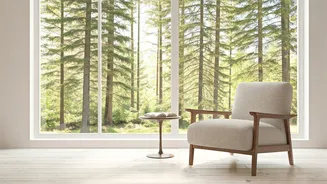

Understanding Solitude's Grip
Solitude, often defined as the state of being alone, can trigger a range of emotions, from peace and contentment to anxiety and unease. Several factors
influence how we perceive being alone. Societal pressures that emphasize constant connection can make solitude feel unusual or even undesirable. Furthermore, the absence of external stimulation, such as interactions with others or engaging activities, can leave space for introspection, sometimes leading to uncomfortable self-reflection. Personal experiences also play a role; past experiences of loneliness or isolation may color our perception of solitude. To navigate the complexities of being alone, it's crucial to acknowledge these underlying causes and develop coping strategies, allowing solitude to be viewed as a period for self-discovery instead of a period of anxiety.
Benefits of Alone Time
Spending time alone offers numerous benefits for mental and emotional well-being. Solitude provides an opportunity for introspection, allowing for deeper self-awareness and understanding of thoughts and feelings. Free from the influence of others, one can honestly assess personal values, desires, and goals. Furthermore, solitude fosters creativity and innovation. Without the constant demands of social interaction, the mind has space to wander, leading to novel ideas and insights. The ability to be alone also cultivates resilience. Learning to enjoy one's own company boosts self-reliance and self-esteem. In moments of solitude, individuals build inner strength to face challenges. Solitude, therefore, can be a transformative experience, contributing to personal growth, creativity, and emotional resilience.
Embracing the Solitude
Cultivating a positive relationship with solitude involves conscious effort and practice. Start by scheduling regular 'alone time' in your day or week, treating it as an essential appointment. Begin with short periods and gradually increase the duration. During this time, engage in activities that bring joy and relaxation, such as reading, listening to music, or pursuing hobbies. Avoid excessive screen time and social media, as these can detract from the benefits of solitude. Instead, focus on connecting with yourself, whether through journaling, meditation, or simply observing your surroundings. Be patient with yourself. It may take time to feel comfortable and content in your own company, but the rewards are significant. By intentionally making space for solitude, it's possible to transform it from a source of discomfort into a source of strength, creativity, and inner peace.
Practical Solitude Techniques
To make the most of alone time, consider these practical techniques. Firstly, create a comfortable and inviting space where you can retreat. This could be a cozy corner at home, a favorite park bench, or any environment where you feel relaxed. Secondly, engage in activities that quiet the mind and promote mindfulness. Meditation, deep breathing exercises, and mindful walks are excellent choices. Another strategy involves setting intentions for your solitude. Decide beforehand what you want to achieve during your time alone, whether it's reflecting on your goals, pursuing a creative project, or simply enjoying the present moment. Finally, practice self-compassion. If your mind wanders or you struggle with negative thoughts, be kind to yourself. Acknowledge your feelings without judgment and gently redirect your focus. With consistent practice, these techniques will help you embrace solitude and discover its many benefits.