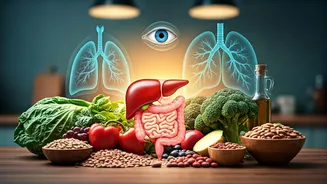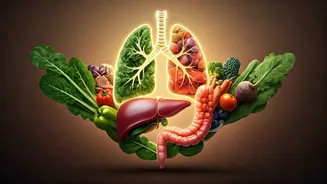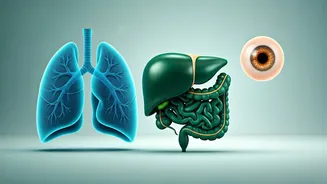





Liver's Silent Work
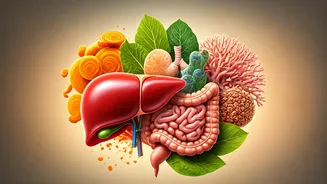
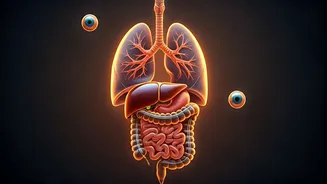
Your liver, a tireless organ, performs crucial detoxification, fat processing, and metabolic balancing. It often goes unnoticed until issues arise. Fortunately,
certain foods can offer significant protection. Cruciferous vegetables like broccoli are rich in sulforaphane, a compound that aids the liver's natural detoxification processes. Green tea, packed with beneficial catechins, supports the efficient metabolism of fats, while olive oil helps mitigate the buildup of unhealthy fats within liver cells. Research from the National Institute of Diabetes and Digestive and Kidney Diseases (NIDDK) directly links dietary choices to the prevention of fatty liver disease. Incorporating olive oil as a primary cooking fat, a seemingly minor adjustment, can lead to a substantial reduction in liver strain and improved metabolic health over time, safeguarding this essential organ's continuous function.
Gut Health Foundation
Often referred to as the body's 'second brain,' the gut profoundly influences digestion, immunity, and even mood. Maintaining a healthy gut hinges on a delicate equilibrium between beneficial bacteria and the gut lining. Curd, a dairy staple, provides essential live probiotics that help preserve this vital balance. Simultaneously, bananas and chia seeds serve as prebiotics, acting as nourishment for these good bacteria and reinforcing the gut barrier. The National Institutes of Health (NIH) indicate that a well-balanced gut microbiome enhances nutrient absorption and diminishes inflammation-related ailments. A simple serving of curd with chia seeds transcends mere snacking; it's an act of nurturing your internal ecosystem, supporting comprehensive health and potentially alleviating discomforts like bloating and indigestion.
Lung Vitality Boost
While breathing feels instinctive, the health of our lungs is significantly influenced by our dietary habits. External factors like pollution, stress, and infections can lead to airway irritation. Fortunately, common kitchen ingredients can offer relief. Ginger and turmeric, staples in Indian cuisine, contain potent compounds such as gingerol and curcumin, respectively, known for their anti-inflammatory properties that can soothe airways. Citrus fruits, abundant in Vitamin C, act as powerful antioxidants, helping to shield lung tissue from oxidative damage caused by environmental toxins. A study by the NIH underscores the role of antioxidants like Vitamin C in mitigating lung damage from environmental stressors. Integrating fresh ginger and turmeric into daily routines, perhaps in morning tea or warm water, is a small habit that can promote easier breathing, particularly in urban environments where air quality can be a concern.
Sharper Vision Support
Contemporary living imposes continuous strain on our eyes. Extended screen time, inadequate lighting, and sleep deprivation can gradually impair vision. Foods rich in beta-carotene, such as carrots and sweet potatoes, are vital as they convert to Vitamin A in the body, a nutrient crucial for maintaining good eyesight. Amla, or Indian gooseberry, is a powerhouse of Vitamin C, offering robust protection to the retina against oxidative damage. Consistently incorporating at least one orange-hued vegetable into your daily meals is a practical strategy to support eye health and counteract the cumulative effects of digital eye strain.