






Why Summers Invite Lizards
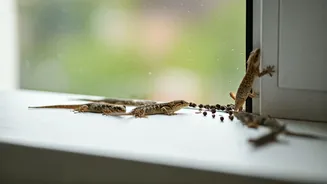
As temperatures climb and humidity increases, homes across India often become a haven for lizards. These reptiles emerge from their hiding spots seeking
warmth and abundant insect prey, especially as insect populations boom during the pre-monsoon and summer months. While they play a role in natural pest control by consuming mosquitoes and flies, their presence can be unsettling for many residents. Geckos are particularly drawn to areas with good lighting and proximity to kitchens or balconies where insects congregate. Understanding this seasonal migration is the first step to creating a less hospitable environment for them.
Starve the Lizards Out
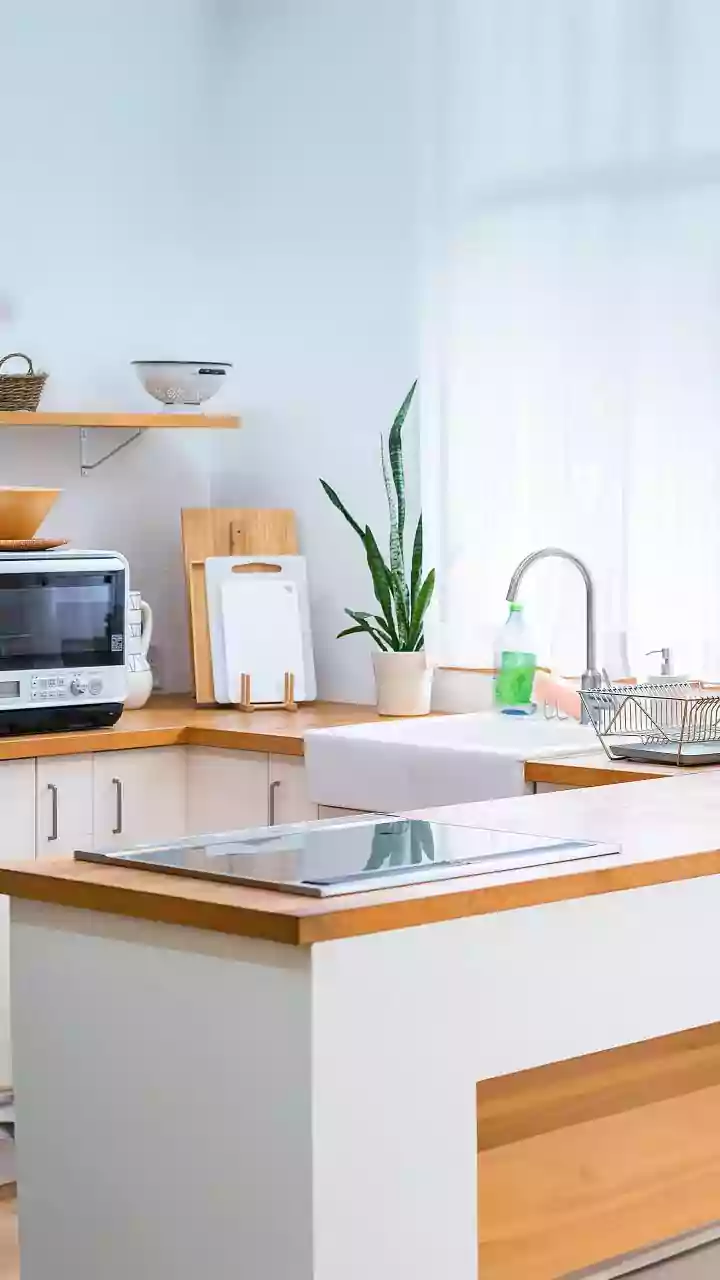
Lizards are primarily attracted to your home by the readily available food source: insects. To effectively deter them, the most logical approach is to eliminate their buffet. This involves maintaining impeccable cleanliness within your living spaces. Promptly wipe down kitchen counters after use, ensure food scraps are disposed of immediately, and always keep food covered. Reducing the insect population by keeping windows closed and minimizing unnecessary outdoor lighting will also significantly diminish the allure for lizards. A home with fewer bugs naturally becomes a less attractive dining spot for these reptiles, as highlighted by research in the CSR Journal.
Seal Their Entry Points
Even the smallest gaps can serve as an invitation for lizards to enter your home. It's crucial to meticulously inspect your home's perimeter and address any potential entry points. Tiny cracks around window frames, door jambs, ventilation openings, and where pipes enter the house can provide easy access. Utilizing materials like silicone sealant or weatherstripping can effectively close these openings. Regularly checking and maintaining these seals ensures that lizards have fewer opportunities to sneak inside and find shelter within your living areas.
Aromatherapy for Repulsion
Lizards possess a heightened sensitivity to certain strong aromas that act as natural deterrents. Incorporating pungent scents like garlic, onions, eucalyptus oil, or even a diluted pepper spray can create an unwelcoming environment for them. A simple yet effective desi hack involves placing whole cloves or slices of garlic and onions near common lizard entry points such as doorways, windowsills, and dark corners of rooms. These natural repellents offer a safe and chemical-free way to discourage lizards without causing them harm or posing a risk to household members.
Declutter for Safety
A cluttered home provides numerous hidden nooks and crannies that lizards find ideal for hiding and nesting. To make your home less appealing, it's essential to practice regular decluttering. Remove old boxes, piles of paper, unused furniture, and any other items that create dark, undisturbed spaces. Ensuring that your home is well-organized and adequately lit, especially in storage areas and corners, will significantly reduce the available hiding spots, making your dwelling a less attractive place for lizards to frequent.
The Eggshell Effect
An age-old Indian household remedy that has proven surprisingly effective is the strategic placement of empty eggshells. The theory behind this simple trick is that the scent of eggshells is off-putting to lizards. To implement this, thoroughly cleaned eggshells can be placed around vulnerable areas such as doorways, window sills, and kitchen corners. This classic desi method, widely shared through word-of-mouth, offers a completely natural and cost-effective way to deter lizards from entering your home, according to platforms like Urvann.
Barrier Methods
Physical barriers can serve a dual purpose: keeping insects out, which in turn reduces the lizard population, and directly preventing lizard entry. Installing fine wire mesh screens on doors and windows is an excellent strategy. Not only does this keep out mosquitoes and other flying insects that attract lizards, but it also creates a physical impediment for the reptiles themselves. Additionally, consider using yellow outdoor lighting instead of white bulbs. Bugs are generally less attracted to yellow light, and since lizards follow their prey, this can indirectly help keep them away from your home's perimeter.
Gentle Deterrents, Natural Balance
While the primary focus should always be on preventative measures and natural deterrents, mild repellents can be used cautiously if needed. However, the emphasis remains on creating an inhospitable environment rather than using harsh chemicals. Experts advocate for a gentle approach that respects the ecological role lizards play in maintaining natural balance. By implementing these non-toxic and humane methods, you can effectively reduce lizard presence in your home while ensuring the well-being of both your family and the environment.