

Bob's Enduring Allure
The bob haircut, a symbol of liberation and style, transcends trends, continually reinventing itself. Originating in the early 20th century, the bob challenged
societal norms and became a statement of modernity. Flappers embraced it, making it an icon of the Roaring Twenties. From its early days, the bob offered a radical departure from the long, elaborate hairstyles of the past. Its simplicity and chicness quickly captured the hearts of women worldwide. Over the decades, it evolved, adapting to various aesthetics. The bob's timelessness lies in its ability to be customized. Its adaptability has allowed it to remain relevant across eras, reflecting the evolving desires of women seeking both style and practicality.
Classic Bob Styles
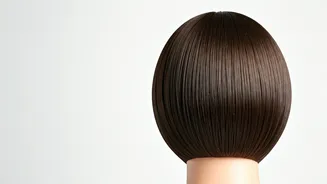
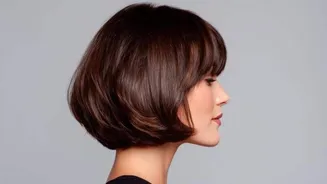
Several bob styles have stood the test of time, each possessing its unique charm. The classic bob, also known as the French bob, is a one-length cut, typically reaching the jawline, often with a subtle, face-framing effect. The inverted bob, shorter at the back and longer in the front, offers a modern twist. The a-line bob is similar but with a more pronounced angle. The blunt bob features a sharp, even cut, which gives a bold and polished look. The versatility of these classic styles allows for endless variations. The choice often comes down to personal preference. Experimentation with parting, bangs, and texture can further personalize these timeless cuts, ensuring a perfect match.
Face Shape Matters
Selecting the right bob requires considering your face shape to ensure a flattering result. For round faces, an angular bob like an inverted or a-line cut can add definition and length. Avoid blunt bobs that might emphasize roundness. If you have a square face, soft layers and side-swept bangs can soften the angles. A bob that hits below the jawline can also work well. Oval faces are the most versatile, as almost any bob style complements this shape. Heart-shaped faces can balance a bob with volume at the jawline, while a chin-length bob with side-swept bangs works wonders. When consulting with a stylist, consider these factors to create a personalized look.
Styling Your Bob
Achieving your desired bob look involves the right styling techniques and products. For a sleek, polished style, use a heat protectant and a flat iron or a blow dryer with a round brush. A smoothing serum can tame flyaways and add shine. To add volume, apply a volumizing mousse or spray to damp hair before drying. For a more textured, casual look, use texturizing sprays or sea salt sprays. Curling or waving the ends with a curling iron adds dimension. Regular trims, every six to eight weeks, will help maintain the shape and health of your bob, ensuring it always looks its best. Experimenting with different products and techniques helps you discover your bob's full potential.
Caring for Your Bob
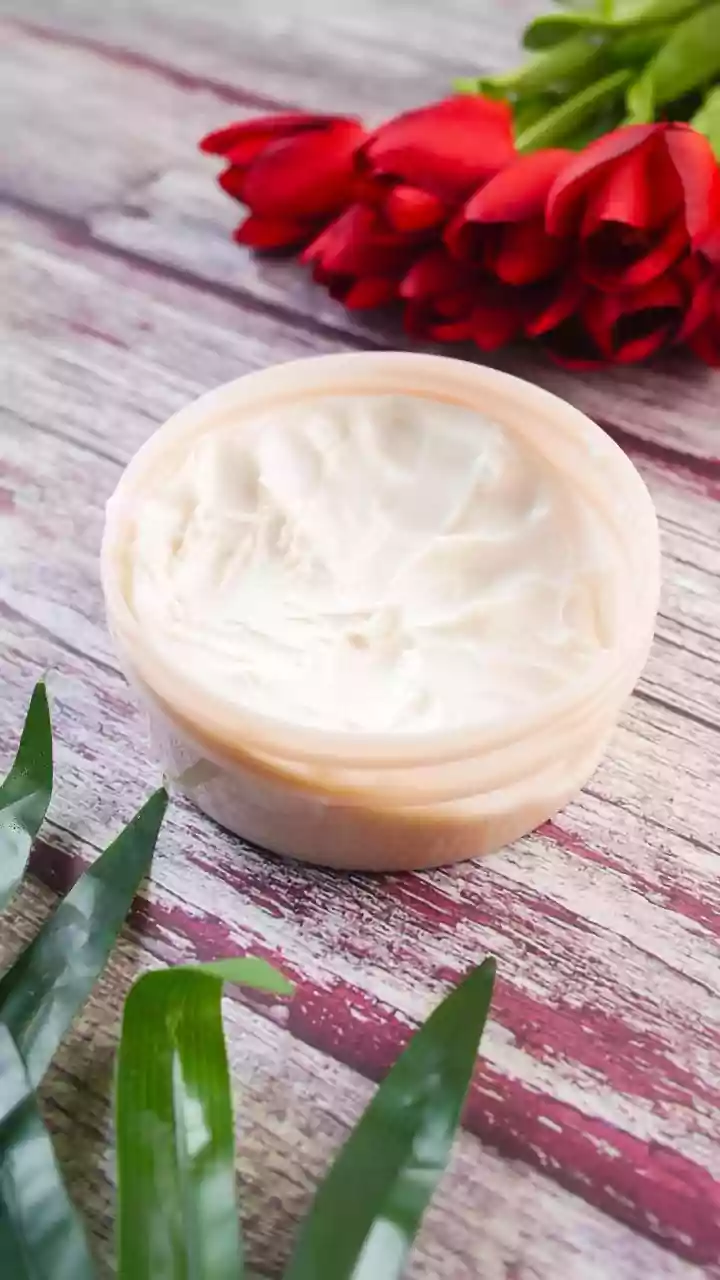
Maintaining your bob's health and appearance involves proper care and maintenance. Using quality shampoos and conditioners that suit your hair type is essential for keeping it healthy and vibrant. Avoid harsh chemicals and excessive heat styling, as they can cause damage and split ends. Deep conditioning treatments once or twice a week can help keep your hair moisturized and resilient. Protective hairstyles, such as braids or buns, can provide a break from constant styling. Additionally, protecting your hair from sun exposure with hats or UV-protective products can help prevent fading and damage. Proper care ensures your bob remains beautiful and manageable.