





Understanding Cirrhosis Reversibility
Receiving a cirrhosis diagnosis can be a daunting experience, often stemming from prolonged issues like excessive alcohol intake, chronic viral hepatitis
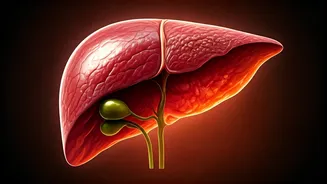
(B or C), fatty liver disease, or autoimmune conditions. A common question among newly diagnosed patients is whether their condition can be reversed. Experts clarify that the degree of reversibility largely hinges on the stage of the liver disease. In advanced stages, where significant, permanent scarring has taken hold, the liver's ability to heal itself is substantially diminished, making full reversal improbable. The primary focus then shifts to arresting further deterioration and managing the existing damage. However, if caught in its nascent phases, there is a tangible possibility for partial recovery and improvement in liver function through dedicated treatment protocols and significant alterations in daily habits. The key takeaway is that while advanced cirrhosis presents formidable challenges, early detection offers a more promising outlook for intervention and management.
Boosting Liver Function Through Treatment
The potential for improving liver function following a cirrhosis diagnosis is a critical aspect of management, particularly when the condition is identified early. Proactive treatment strategies and consistent lifestyle modifications can indeed lead to a noticeable enhancement in how well the liver operates. Addressing the fundamental cause of the cirrhosis is paramount; for instance, ceasing alcohol consumption, effectively treating viral infections, or adopting a healthier dietary regimen can dramatically influence the liver's recovery trajectory. By tackling the root of the problem, patients can not only halt the progression of the disease but also pave the way for a degree of regenerative healing. This approach underscores the importance of a comprehensive care plan that not only treats the symptoms but also eradicates the underlying factors contributing to liver damage, thereby optimizing the chances for improved liver health and function.
Essential Lifestyle Adjustments
Daily routines and personal choices exert a profound influence on the management and progression of liver cirrhosis. Central to these changes is the absolute cessation of alcohol consumption, as it is a primary driver of liver damage. Alongside this, adopting a well-balanced diet, notably one that is low in sodium, is crucial for managing fluid retention and other complications. Maintaining a healthy body weight through regular physical activity and consistent medical check-ups also plays a vital role. Furthermore, diligently managing any pre-existing health conditions that may exacerbate liver disease, such as diabetes or hypertension, is non-negotiable. Patients are also strongly advised to avoid any form of self-medication, as certain drugs can impose additional stress on an already compromised liver. These integrated lifestyle modifications are indispensable for safeguarding liver health and supporting the body's healing processes.
Medical Treatments for Cirrhosis
The medical approach to cirrhosis primarily aims at controlling the disease's advancement and alleviating its symptoms, rather than necessarily reversing extensive damage. Therapies are tailored to address the specific underlying causes of liver damage. For individuals with hepatitis, antiviral medications are prescribed to combat the viral infection, thereby reducing inflammation and scar tissue formation. Medications may also be utilized to manage the various complications that can arise from cirrhosis, such as fluid buildup in the abdomen (ascites) or bleeding from enlarged veins in the esophagus (varices). Unwavering adherence to strict alcohol avoidance remains a cornerstone of any treatment plan. Complementing these medical interventions, regular monitoring by healthcare professionals and ensuring adequate nutritional support are vital components that contribute to slowing disease progression and maintaining the patient's overall well-being. This multifaceted treatment strategy is designed to stabilize the liver's condition and improve the patient's quality of life.
Liver Transplant as a Last Resort
In scenarios where cirrhosis has progressed to a critical, end-stage condition, characterized by severe liver failure, a liver transplant emerges as the primary and often only viable treatment option. This complex surgical procedure involves replacing the diseased liver with a healthy organ from a donor. While a transplant signifies a significant medical undertaking, the long-term outcomes are frequently encouraging. With meticulous post-operative care, adherence to immunosuppressive medication, and consistent follow-up appointments, many individuals who undergo a liver transplant can lead fulfilling lives for a substantial period, often ranging from 10 to 20 years or even longer. The success of a transplant hinges on a combination of surgical expertise, the availability of suitable donors, and the patient's commitment to lifelong medical management and healthy living, offering a renewed chance at prolonged survival and improved health.