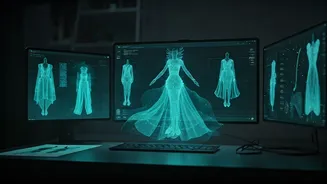




Digital Integration in Design
The landscape of fashion education is undergoing a significant metamorphosis, driven by the pervasive influence of digital learning methodologies. As highlighted
by the Director of JD Institute of Fashion Technology, Sudhakar Rao, online platforms, virtual reality applications, and integrated teaching strategies are no longer niche additions but central components in curriculum development. These advancements are instrumental in democratizing access to quality fashion education, breaking down geographical limitations that once restricted aspiring designers. Learners can now engage with sophisticated coursework, participate in dynamic creative collaborations with peers across the globe, and gain invaluable industry exposure without being physically present in traditional learning environments. This shift towards digital integration signifies a proactive adaptation to the evolving needs of both students and educators in a rapidly changing creative field, ensuring that the principles of design are taught through modern, accessible means.
Enhancing Skill Development
Beyond accessibility, digital learning is profoundly impacting the way students acquire and refine essential skills for a successful career in fashion. Advanced virtual design software empowers students to conceptualize, model, and iterate on their designs with unprecedented precision and flexibility. Furthermore, the creation of digital portfolios has become a cornerstone of professional presentation, allowing students to showcase their work effectively to potential employers and collaborators. Remote mentorship programs connect budding designers with seasoned industry professionals, providing guidance and feedback that extends far beyond the classroom. While digital tools complement, rather than replace, traditional hands-on studio practice, they are essential in developing the technical acumen and market awareness necessary to thrive in today's competitive fashion industry, bridging the gap between academic learning and real-world application.
Fostering Innovation & Sustainability
The integration of digital technologies within fashion education opens up exciting avenues for fostering interdisciplinary approaches and advancing crucial conversations around sustainability. By leveraging e-learning, design programs can more readily incorporate modules that explore eco-friendly materials, ethical production processes, and circular economy principles. This digital infrastructure also facilitates collaborative projects that span different creative disciplines, encouraging students to think holistically about design challenges. As institutions strategically plan their long-term curricula, the blend of virtual innovation and practical, hands-on experience is paramount. This balanced approach ensures that graduates are not only technically proficient but also critically aware of their role in shaping a more responsible and forward-thinking fashion industry, ready to tackle the complexities of the contemporary design world.