





Woven Narratives Unfolded
The soul of Indian textiles resides in its ability to tell stories, not just through patterns but through the very fabric of its existence. Varnam, in essence,
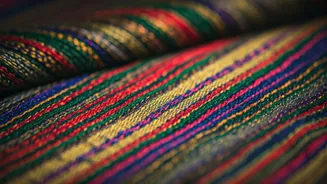
is a tribute to this profound narrative tradition, showcasing how generations of artisans have translated cultural motifs, historical events, and spiritual beliefs into tangible threads. This involves a meticulous process that begins with the selection of the finest raw materials, be it the lustrous silk from Murshidabad, the soft cotton from Gujarat, or the robust wool from the Himalayas. The transformation of these raw fibers into exquisite yarns is an art in itself, often involving natural dyeing processes passed down through oral tradition. These dyes, derived from plants, minerals, and even insects, create a spectrum of colors that are not only visually stunning but also possess a unique depth and character, reflecting the natural bounty of India. The weaving itself is a complex choreography, with looms ranging from the simple handloom to more intricate pit looms, each requiring immense skill and precision. The selection of yarn, the tension on the warp, and the shuttle's movement all contribute to the final texture and appearance of the fabric. This section explores the foundational elements that contribute to the distinctive identity of Indian textiles, emphasizing the skilled hands and age-old wisdom that breathe life into every meter of cloth.
Craftsmanship Beyond Compare
At the heart of Varnam's allure lies the unparalleled craftsmanship that defines Indian textiles, a testament to human ingenuity and dedication over centuries. This artisanal mastery manifests in a multitude of techniques, each with its own distinct visual language and historical lineage. Consider the delicate art of embroidery, where skilled hands embellish plain fabrics with intricate designs using a spectrum of stitches and vibrant threads. Styles like Zardozi, with its use of metallic threads, or Chikankari, known for its subtle white-on-white patterns, exemplify the regional diversity and exquisite detailing that characterize this craft. Then there is the ancient art of block printing, a technique where hand-carved wooden blocks are dipped in dye and pressed onto fabric to create mesmerizing patterns. From the geometric precision of Ajrakh to the floral motifs of Sanganeri, each style represents a unique aesthetic and a deep understanding of color and composition. Handloom weaving itself is a feat of sustained effort and skill, with artisans meticulously interlacing threads to create complex patterns, often without the aid of modern machinery. Techniques like Ikat, where yarns are resist-dyed before weaving to create blurred, dreamlike patterns, or Jamdani, which involves the intricate weaving of supplementary threads to create floral motifs, showcase the sheer artistry involved. This section delves into these diverse crafts, highlighting the precision, patience, and inherited knowledge that make each piece of Indian textile a masterpiece.
Cultural Threads Intertwined
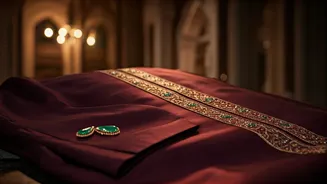
Indian textiles are far more than just adornments; they are vibrant chronicles of the nation's rich cultural tapestry, deeply interwoven with its history, rituals, and social fabric. Varnam celebrates this profound connection, illustrating how fabrics have historically served as powerful symbols of identity, status, and occasion. Across different regions, specific weaves and motifs carry distinct meanings, often reflecting local deities, folklore, or significant life events. For instance, the auspicious red and gold sarees woven for weddings in South India symbolize prosperity and fertility, while the intricate geometric patterns found in certain tribal textiles might represent ancestral spirits or protective charms. The dyeing techniques themselves are often rooted in ancient practices, with natural dyes possessing symbolic significance – turmeric for purity, indigo for devotion. The traditional attire worn during festivals and religious ceremonies, imbued with specific colors and embellishments, further underscores the ritualistic importance of textiles. Beyond ceremonies, clothing has historically been a marker of social hierarchy and regional belonging, with distinct styles and fabrics signifying caste, profession, or marital status. This section explores these deeply ingrained cultural connections, demonstrating how the art of textiles in India is inextricably linked to its people, their beliefs, and their enduring traditions, making each garment a piece of living history.