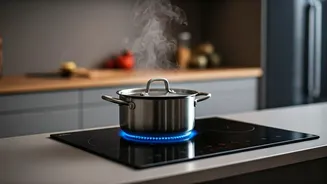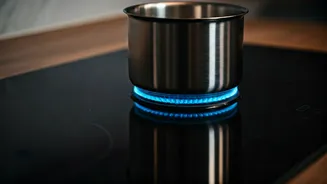

Ditch The Flame
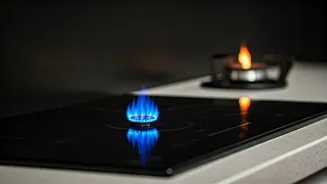
Transitioning from gas stoves means letting go of visual flame cues for heat control. Induction cooktops rely on digital settings, which might feel abstract
initially. Instead of focusing on numbers, learn to 'listen' to your food. Pay attention to the subtle sounds of oil heating, the aroma of spices, and the sizzle of ingredients to gauge the temperature accurately. This shift encourages a more intuitive cooking approach, where the food itself becomes your guide rather than the visible flame.
Embrace The Quiet
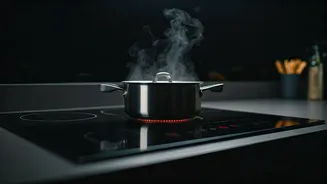
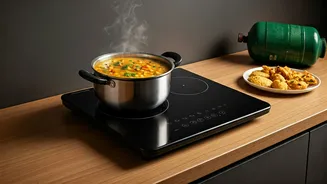
One of the most surprising aspects of induction cooking is its near silence. Unlike the familiar hiss of gas burners or the occasional buzz of electric coils, induction cooktops operate with minimal noise. This quiet operation can sometimes lead beginners to question if the appliance is even on. Some cookware might emit a faint hum on higher settings due to the magnetic field interaction, but this is normal. Lowering the heat typically resolves any such sounds, allowing for a peaceful cooking environment.
Swift Heat Adjustments
Induction cooktops are renowned for their rapid response to heat setting changes, a stark contrast to traditional stovetops. Increasing the power can instantly boost pan temperature, while reducing it causes a swift drop, enabling quick simmering or cooling. Beginners may find that food cooks faster than anticipated. To manage this, it's advisable to start with moderate heat settings. As you gain experience, you'll master the art of precise temperature control, making cooking efficient and predictable.
Cookware Compatibility Matters
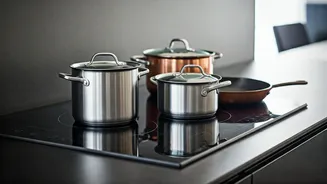
The magnetic principle behind induction cooking dictates that not all pots and pans will work. Your cookware must possess a magnetic base to heat effectively on the surface. Materials like stainless steel, cast iron, and enamel-coated steel are excellent choices. Lightweight aluminum, glass, or ceramic wares typically require a specific magnetic layer to function. Heavier pans often perform better, offering more even heat distribution and steadier temperature reactions. Ensure the pan base size closely matches the cooking zone for optimal heat transfer efficiency.
Prep For Speed
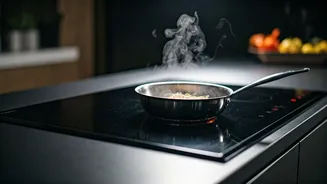
Induction's rapid heating demands a more prepared approach in the kitchen. Unlike slower cooking methods, ingredients can burn quickly if you're not ready. Therefore, chopping vegetables, measuring spices, and having all components within reach before you turn on the cooktop is crucial. Heating an empty pan on high can cause it to overheat swiftly; it's generally safer to add ingredients first and then gradually increase the heat as needed. This proactive preparation ensures a smoother, more enjoyable cooking experience.