





Shillong: Scotland of the East
Shillong, Meghalaya, offers a blend of colonial charm and contemporary vibrancy, making it a popular summer retreat. Its pine-scented avenues, bustling
markets, and lively music scene are complemented by sudden, refreshing rain showers. The city's tourism thrives on nature-linked experiences like forest treks and community-managed villages, offering a peaceful contrast to urban life. This approach emphasizes natural beauty and local engagement over large-scale commercial development, preserving the region's essence.
Gangtok: Sikkim's Pristine Capital
Gangtok, the capital of Sikkim, stands out with its organized infrastructure and regulated tourism. Perched on hillsides, its monasteries, cafes, and viewpoints are woven into narrow, winding roads that often disappear into evening fog. Sikkim's commitment to eco-friendly travel is evident in its plastic-free policies, designated trekking zones, and careful management of ecologically sensitive areas. This sustainable framework allows Gangtok to be a bustling tourist hub without compromising its environmental integrity.
Tawang: Arunachal's High-Altitude Gem
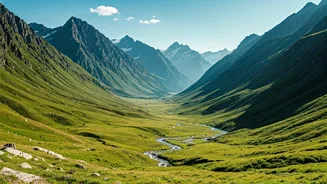
The journey to Tawang in Arunachal Pradesh is an adventure in itself, marked by winding mountain roads, unpredictable weather, and occasional landslides. This remoteness, however, is integral to its appeal, with routes traversing high-altitude valleys dotted with scattered settlements. Tawang's tourism potential is being explored with a focus on sustainable development, given its fragile ecology and cultural significance. Destinations intertwined with monasteries, indigenous communities, and mountain vistas attract travelers seeking profound experiences, with the imposing monastery and surrounding quietude leaving lasting impressions.
Ziro: Valley of the Apatani
Ziro in Arunachal Pradesh feels more like a sprawling valley settlement than a typical hill station, characterized by expansive paddy fields and pine-clad hills. Even during peak season, the pace of life remains unhurried. It's a focal point for discussions on community-led tourism, largely due to the unique Apatani cultural landscape and their traditional ecological practices. Destinations where local communities are deeply involved in tourism often maintain better environmental stability than heavily commercialized spots, and Ziro embodies this balance between growing popularity and preservation.
Cherrapunji: Land of Living Bridges
While renowned for its rainfall, Cherrapunji in Meghalaya reveals a different charm in summer. Rapidly shifting clouds dance over limestone cliffs, ancient root bridges are tucked away in verdant forests, and the landscape transforms with the changing weather. Research into Meghalaya's tourism consistently highlights nature-based travel as its strongest asset. In a high-rainfall zone like Cherrapunji, managing tourism growth carefully is crucial for preserving trails, forests, and water systems. The region is actively implementing locally managed practices, particularly around its famous living root bridges.
Haflong: Assam's Gentle Hill Station
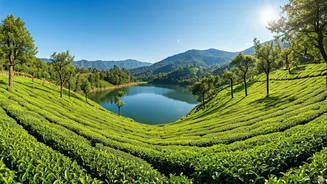
Haflong, often overlooked in mainstream travel guides, is one of Assam's few designated hill stations. Its landscape offers a softer, rolling terrain compared to the more dramatic Himalayan ranges, featuring serene lakes, gentle hills, and stretches of forest. Lesser-known destinations like Haflong grapple with the challenge of limited infrastructure despite rising interest. While the scenic beauty draws travelers seeking quieter routes, its transport and accommodation networks are still developing, presenting a different facet of regional tourism development.
Pelling: Sikkim's Mountain Views
Pelling in Sikkim maintains a more tranquil atmosphere than its bustling neighbor, Gangtok, even during summer. Mornings here are defined by the majestic presence of Kanchenjunga, which dominates the skyline on clear days before being enveloped by clouds. Sikkim's approach to tourism, balancing growth with environmental regulation, has benefited smaller towns like Pelling. Restrained development and tourism activities contribute to an environment where the natural landscape remains the primary focus, rather than being overshadowed by commercialization.
Kalimpong: Colonial Charm, Serene Vistas
Kalimpong, West Bengal, offers a more subdued and less commercial experience than nearby Darjeeling, while still echoing its colonial heritage through historic monasteries, churches, and schools. Summer graces the town with mild weather and clear mountain panoramas. Its slower rhythm is enhanced by vibrant flower nurseries and local markets, providing a peaceful alternative to larger tourist hubs. This offers a delightful blend of historical resonance and natural beauty for visitors.
Aizawl: Mizoram's Ridge City
Aizawl, Mizoram's capital, is dramatically perched across steep ridges, with houses seemingly stacked one upon another. It remains a less-trodden destination compared to many North Eastern locales, contributing to a calmer, more authentic travel experience. The city enjoys moderate summer temperatures, and its surrounding hills are often cloaked in a picturesque mist throughout the day, adding to its ethereal charm and appeal for explorers seeking unique urban landscapes.
Darjeeling: The Queen of Hills
Darjeeling in West Bengal remains a quintessential hill station, celebrated for its sprawling tea estates, iconic toy train, and breathtaking Himalayan vistas. Despite significant summer tourist traffic, the allure of cooler climes and stunning mountain scenery continues to draw visitors. The early mornings, especially around the tea gardens and viewpoints, offer moments of profound tranquility before the town center becomes a lively hub of activity later in the day, capturing the essence of this beloved destination.