






The Actor's Confession
Actor Ishaan Khatter recently shared a personal revelation about his experiences while shooting abroad for extended periods. Contrary to his initial belief
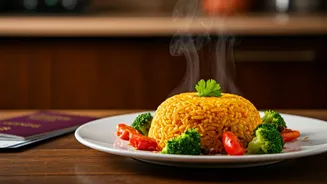
that he wouldn't be particularly homesick, Khatter admitted that after a considerable time away – specifically around 2.5 months – he began to yearn for familiar Indian dishes like dal chawal or roti, and a comforting home-cooked meal. This was a surprising turn for him, as he had always felt he would be more sympathetic to others experiencing homesickness rather than feeling it himself. He contrasted his own threshold with that of his elder brother, Shahid Kapoor, who, according to Ishaan, can only manage about four days without Indian food before a strong craving sets in. This highlights a significant difference in their adaptability to being away from their usual culinary environment.
Beyond Just Taste
The strong desire for Indian food when traveling overseas extends beyond a simple preference for flavor; it's a complex interplay of our biological makeup, how we were raised, and our individual personalities. Dr. Chandni Tugnait, a psychotherapist and life coach, explains that while some individuals, like Shahid Kapoor, find solace and connection through familiar tastes rooted in tradition, others, such as Ishaan Khatter, demonstrate a greater capacity for embracing new experiences and adapting to different environments. Understanding these underlying factors can empower travelers to better prepare for journeys, whether that involves strategically packing essential spices from home or consciously working to broaden their palate before embarking on their travels, thereby mitigating potential discomfort or intense cravings.
Early Food Imprinting
Our earliest food experiences play a significant role in shaping our lifelong culinary preferences. Dr. Tugnait points out that individuals who grew up in households where Indian cuisine was not merely a source of sustenance but was deeply interwoven with cultural celebrations and daily rituals often develop a profound emotional bond with these foods. This early imprinting creates a strong association between Indian dishes and feelings of comfort, security, and belonging, making it particularly challenging to disconnect from these tastes and memories when removed from their familiar environment. The emotional weight attached to these early meals can be a powerful driver of cravings when away from home.
Gut Microbiome Adaptation
The intricate community of microorganisms residing in our gut, known as the microbiome, significantly influences our food cravings. Regular consumption of the distinctive spices and fermented products common in Indian cuisine, such as yogurt (curd) and pickles, cultivates a gut environment that is well-adapted to processing and benefiting from these specific flavors. According to Dr. Tugnait, making sudden changes to our diet, like abruptly stopping the intake of these familiar foods, can lead to digestive discomfort and trigger cravings as the gut signals its need for the nutrients it's accustomed to. Conversely, individuals who have historically consumed a wider variety of foods and possess a more diverse gut bacteria population tend to adapt more readily to new dietary landscapes.
Flavor Sensitivities
Indian cuisine is celebrated for its vibrant and intricate flavor profiles, frequently incorporating bold notes of spice, tanginess, and savory (umami) tastes. Dr. Tugnait explains that individuals who are accustomed to these intense and complex flavor experiences may perceive cuisines from other parts of the world, particularly Western ones, as comparatively 'bland' or lacking in character, leading to a sense of dissatisfaction. On the other hand, people who naturally possess a lower sensitivity to strong flavors or who appreciate more subtle taste sensations are likely to adjust more easily to different culinary styles. This difference in sensory perception can significantly impact how enjoyable or challenging it is to eat unfamiliar food while traveling.
Mindset and Openness
Our personality traits also play a crucial role in how we navigate culinary differences when abroad. Individuals who approach food with a sense of adventure and view eating as an opportunity for exploration, rather than a potential source of loss or deprivation, are generally more adept at managing periods without their preferred cuisine. This psychological flexibility and openness to new experiences facilitate a more positive attitude towards trying different foods and adapting to local tastes. It suggests that a proactive and curious mindset can significantly enhance one's ability to cope with the absence of familiar dishes and embrace the gastronomic diversity encountered during travel.
Social and Situational Ties
Eating habits are often deeply intertwined with our social interactions and the specific circumstances of our travels. Dr. Tugnait highlights that travelers who find themselves alone or in the company of predominantly non-Indian friends might adapt more quickly to local cuisines in an effort to 'blend in' or simply due to a lack of readily available familiar options. In contrast, those who travel with close family members or are part of an Indian expatriate community may more consciously seek out familiar meals. This is often driven by a desire for communal bonding and the comfort that sharing traditional food with loved ones can provide, reinforcing cultural connections even when far from home.