






Why Gut Health Matters
A child's digestive system is a bustling ecosystem of trillions of beneficial bacteria, crucial for efficient digestion, robust immunity, and stable moods
and energy levels. When this gut microbiome thrives, the child flourishes. Unfortunately, modern lifestyles, often involving a diet rich in processed and unhealthy foods, can disrupt this delicate balance, leading to common issues like constipation and bloating. Nurturing a healthy gut is foundational for a child's overall development, impacting everything from nutrient absorption to cognitive function. Approximately 70% of the body's immune response originates in the gut, making its health paramount in fighting infections and preventing allergies. Prioritizing good gut health early on sets the stage for a lifetime of better health.
Swapping Sugary Cereals
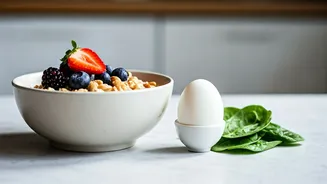
Many popular breakfast cereals are laden with added sugars and possess very little dietary fiber, making them a poor choice for gut health. These processed options offer minimal nutritional value and can contribute to energy spikes followed by crashes. A far superior alternative is to opt for breakfasts centered around oats or millets. These whole grains are excellent sources of soluble and insoluble fiber, which act as prebiotics—food for the beneficial gut bacteria. Incorporating oats or millet porridge into your child's morning routine not only supports a healthier gut flora but also promotes a feeling of fullness, helping to regulate appetite throughout the day and providing sustained energy.
Juices vs. Whole Fruits
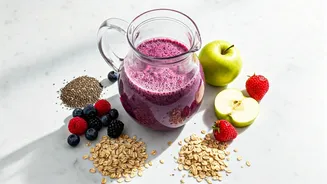
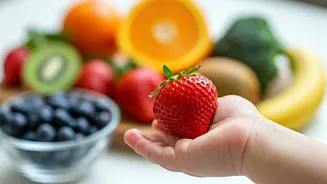
Packaged fruit juices, while often perceived as healthy, are typically stripped of their natural fiber content and concentrated with sugars during the processing and packaging stages. This makes them less beneficial for digestive health and can contribute to sugar overload. For a gut-friendly alternative, it's best to offer whole fruits. Options like apples, bananas, papayas, and guavas are packed with essential fiber, vitamins, and minerals. Consuming whole fruits ensures that your child receives the full spectrum of nutrients, along with the fiber that aids in digestion, promotes regular bowel movements, and supports the growth of beneficial gut microbes.
Whole Grains Over Refined
The choice of bread can significantly impact a child's digestive comfort. White bread, made from refined flour, undergoes a quicker digestion process that can sometimes lead to digestive sluggishness and, over time, contribute to constipation. In contrast, whole grain breads are crafted from the entire grain, retaining all of its natural fiber and nutrients. This increased fiber content not only aids in smooth digestion but also provides sustained energy release. By switching to whole grain varieties, you're providing your child with a more robust and gut-friendly carbohydrate option that supports a healthier digestive tract.
Homemade Curd Power
Flavored yogurts commonly found in stores often contain substantial amounts of added sugars and artificial additives, which can be detrimental to gut health. These ingredients can disrupt the balance of beneficial bacteria. A healthier and more beneficial choice is homemade curd or plain yogurt. These fermented dairy products are rich in live probiotic cultures, which are essential for maintaining a healthy gut microbiome. Probiotics play a vital role in improving digestion, strengthening the immune system, and enhancing the body's ability to absorb nutrients, offering a natural boost to your child's overall well-being.
Snack Smart: Nuts & Seeds
Fried snacks, while often appealing, are typically high in unhealthy fats that can negatively impact a child's digestive system and overall health. These can lead to inflammation and discomfort. For a much healthier snacking alternative, consider offering nuts and roasted seeds in moderation. Options like almonds, peanuts, pumpkin seeds, and sunflower seeds provide valuable nutrients, healthy fats, and fiber. These provide sustained energy and support gut health, offering a crunchy and satisfying alternative that is far more beneficial than their fried counterparts.
Dessert Alternatives
Sugary desserts like candies and processed sweets offer little nutritional value and can contribute to unhealthy eating patterns. Fortunately, there are many delicious and healthy alternatives that children can enjoy. Consider preparing fruit chaat, a vibrant mix of fresh fruits seasoned lightly, or desserts made from natural sweeteners like dates and jaggery. These options provide natural sweetness along with essential vitamins, minerals, and fiber, making them a more nourishing choice that satisfies a sweet craving without compromising gut health or overall well-being.