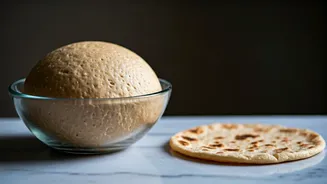






The Black Dough Mystery
It’s a common kitchen conundrum in many Indian homes: you prepare atta dough for rotis or chapatis, and the leftovers, when stored in the refrigerator,
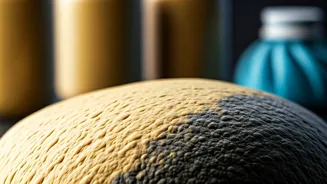
often take on a dark, unappetizing black or grey hue. This transformation is primarily attributed to oxidation. When wheat flour is mixed with water, it’s exposed to air, and the oxygen initiates a reaction with compounds present in the flour. This process, akin to how an apple turns brown when cut, leads to the discoloration. Furthermore, natural enzymes inherent in wheat flour continue to be active, even at cooler temperatures. These enzymes contribute to gradual changes in the dough's color and texture over time, exacerbating the darkening effect even within the chilled confines of your refrigerator. An excessive moisture content in the dough can also accelerate these enzymatic reactions, making it more susceptible to rapid spoilage and discoloration.
Fermentation's Unwanted Role
Beyond simple oxidation, fermentation plays a significant role in the darkening of atta dough, particularly during warmer periods. Even when kept in the refrigerator, the dough can begin to ferment after several hours in the heat of summer. This fermentation process not only leads to a darker appearance but can also introduce a mild sour smell. If the dough is stored in a container that isn't clean, this spoilage process can be significantly accelerated, potentially resulting in an unpleasant odor and a sticky, slimy texture. Using very old flour can also contribute to this issue, as it may react more quickly and be more prone to oxidation, thus hastening the discoloration.
Airtight Container is Key
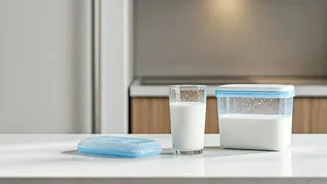
To combat the elements that cause dough to degrade, the use of an airtight container is paramount. This simple step is incredibly effective in preserving the quality of your prepared atta dough. By sealing the dough in an airtight container, you significantly reduce its exposure to ambient air and fluctuating moisture levels. This barrier helps to maintain the dough's intended texture, preventing it from drying out or becoming excessively moist, both of which can contribute to spoilage. The sealed environment also limits the ingress of contaminants and helps to slow down the oxidation and fermentation processes, keeping the dough fresher for longer periods and ready for your next meal preparation.
Portioning for Freshness
A clever strategy to enhance dough longevity and freshness involves dividing it into smaller portions before storage. This method addresses the issue of repeated exposure to air and temperature fluctuations that occurs when you retrieve a large lump of dough for use. By separating the dough into smaller, individual portions, you only expose the amount you need for a particular meal. The remaining portions stay sealed and undisturbed, minimizing the impact of air and temperature changes on their overall quality. This approach is especially beneficial during the summer, as it helps maintain the integrity of the untouched portions, ensuring they remain as fresh as possible until you are ready to use them.
The Protective Oil Layer
Applying a thin coating of oil to the surface of your atta dough before refrigerating it is a highly effective trick to prevent spoilage. This layer of oil acts as a physical barrier, creating a shield between the dough and the surrounding air. By minimizing direct contact with oxygen, the oil significantly slows down the oxidation process, which is a primary culprit behind the dough's darkening. This protective film also helps to lock in moisture, preventing the surface from drying out and becoming hard. It’s a simple yet potent method that extends the shelf life of your dough and helps maintain its soft, pliable texture, ensuring better rotis.
Timely Usage is Crucial
While proper storage techniques can extend the life of your atta dough, it's essential to be mindful of its usage timeline. To ensure health and safety, it is strongly advised to use refrigerated dough within a specific window. Experts recommend consuming the dough within 12 to 24 hours of preparation. Beyond this period, even with the best storage practices, the dough may undergo changes that affect its quality and safety. If you notice any significant discoloration, an off smell, or a change in texture that seems unnatural, it is best to discard the dough and prepare a fresh batch. Prioritizing timely consumption guarantees the best taste and ensures you are not compromising on your health.