






France's Visible Hands
In France, a peculiar dining custom dictates that your hands must remain visible on the table throughout the meal, never hidden in your lap. This practice
is not merely about aesthetics; it's a deeply ingrained part of polite table manners. Unlike many cultures where resting elbows on the table is frowned upon, the French focus on keeping the upper extremities in plain sight, signifying openness and engagement with the dining experience. It's a subtle yet significant detail that distinguishes French dining etiquette and highlights the emphasis placed on presentation and proper comportment during meals.
India's Full Plate
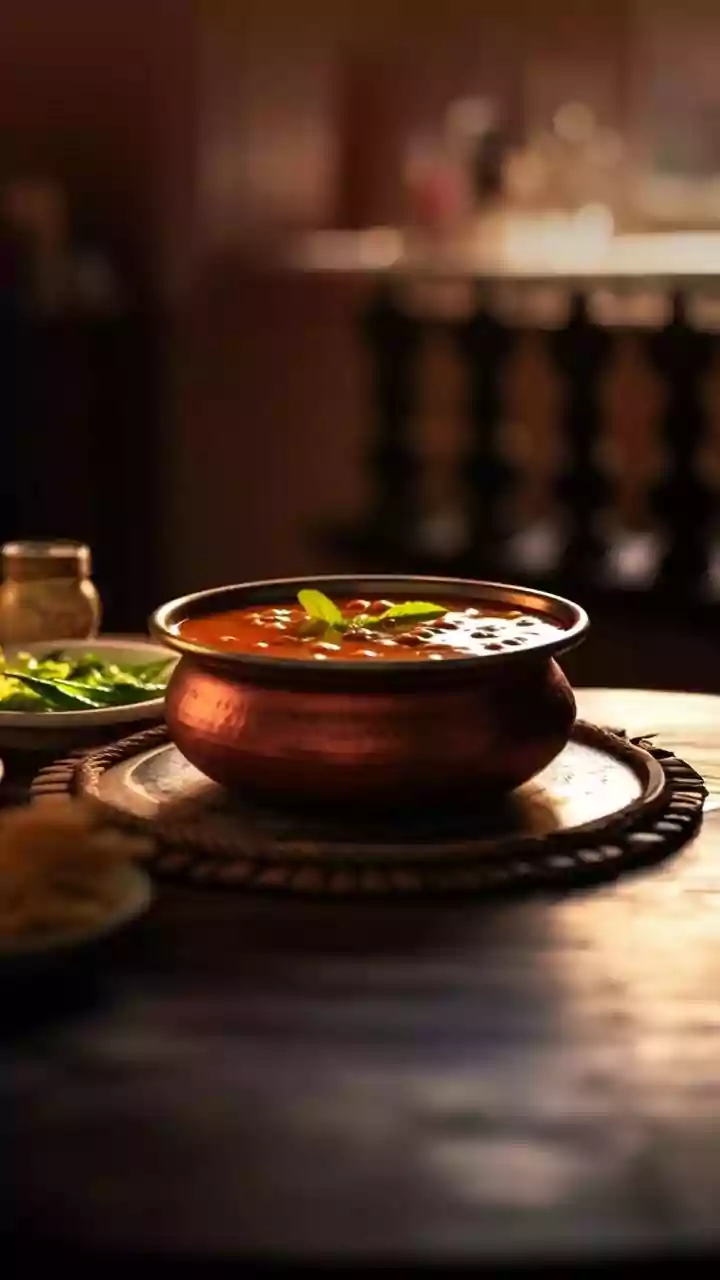
In India, a strong cultural emphasis is placed on finishing every morsel of food served. Leaving even a small amount can be interpreted as disrespectful to the host and the sustenance provided. This tradition underscores a deep appreciation for food and the generosity of the provider. Furthermore, proper etiquette involves washing and drying hands before eating, offering sincere compliments to the host after the meal, and waiting for all other diners to rise before departing the table. These practices reflect a holistic approach to dining, encompassing respect, gratitude, and communal harmony.
Satisfied Leftovers
Contrary to many global norms, in certain cultures, leaving a small portion of food on your plate is a sign of contentment. This practice signifies that you have been generously served and are fully satisfied, with the host having provided more than enough. Finishing your entire plate, conversely, might inadvertently suggest that you are still hungry or that the host's provision was insufficient. This nuanced approach to portion control and plate clearing offers a fascinating contrast to dining expectations elsewhere, highlighting a different cultural understanding of hospitality and abundance.
Chile's Utensil Rule
Chilean dining etiquette strictly prohibits eating with one's bare hands. Whether it's a humble french fry, a slice of pizza, or a simple sandwich, every food item is expected to be consumed using a knife and fork. This unwavering adherence to cutlery usage extends across all types of meals and snacks, underscoring a formal approach to dining. It reflects a culture that values precision and a structured way of approaching food consumption, ensuring that even the most casual items are treated with a degree of formality.
Thailand's Spoon Priority
Navigating Thai dining requires a specific approach to utensil use, particularly concerning the fork. While chopsticks are common for certain dishes, the primary utensil for many meals is a spoon. The correct etiquette involves using the fork to transfer food onto the spoon, which is then brought to the mouth. Directly inserting the fork into one's mouth is considered poor table manners. This practice ensures that rice and other components are neatly contained on the spoon, promoting a less messy and more refined eating experience. Alternatively, some meals can be eaten with just a spoon.
Japan's No-Tip Culture
In Japan, the concept of tipping servers at restaurants is considered a faux pas and is viewed as disrespectful. This practice stems from the cultural understanding that excellent service is an inherent standard, not something that requires additional reward. Providing exceptional service is considered part of the job, and tipping can inadvertently imply that the service was not up to par or that the establishment does not value its employees sufficiently. This unique approach highlights a different perspective on service and compensation, emphasizing professionalism as a baseline expectation.
Italy's Cappuccino Timing
An Italian dining peculiarity involves the consumption of cappuccino. It's widely believed that drinking this frothy coffee beverage after noon is unhealthy, as it can supposedly diminish one's appetite for subsequent meals. Italians typically enjoy coffee on an empty stomach, often paired with croissants or light pastries in the morning. This custom reflects a cultural approach to food and drink timing, where the perceived impact on digestion and appetite dictates when certain items are best consumed, particularly for a drink as substantial as a cappuccino.
South Korea's Elder Respect
In South Korean dining traditions, profound respect for elders is paramount. A key manifestation of this is the custom where the eldest person at the table is always served first and takes the initial bite of the meal. This gesture signifies deference and acknowledges the elder's position and wisdom within the group. It's a visible display of the hierarchical social structure that influences daily interactions, ensuring that age and seniority are honored in communal settings, especially during shared meals.
China's Satisfied Burp
A surprising culinary custom in China involves a gentle burp after a meal, which is considered a compliment to the host. Far from being rude, this audible expression indicates that the diner has thoroughly enjoyed the food and is fully satisfied with the meal. While this might seem unconventional or even impolite in many Western cultures, in China it's a sign of appreciation and a way to convey that the food was delicious and plentiful. It reflects a unique cultural interpretation of expressing gratitude and enjoyment during a shared dining experience.