



Mango Season Challenges
The highly anticipated mango season in India is facing significant hurdles this year due to erratic weather patterns, particularly unusual rainfall in March.
These unseasonal showers have adversely affected the mango crops, leading to premature fruit drop and increasing their susceptibility to fungal infections. While mango trees typically require adequate water during their initial fruiting stages, the unexpected deluge during the critical flowering period has disrupted the vital pollination process. This environmental instability raises concerns about the yield and quality of the beloved "king of fruits" for the upcoming season. Consequently, careful storage and handling of the available mangoes become paramount to ensure that consumers can still enjoy this seasonal delicacy, even if the harvest is less abundant than usual. The impact extends beyond just the quantity, potentially affecting the sweetness and texture of the mangoes that do mature.
Grandma's Ripening Secret
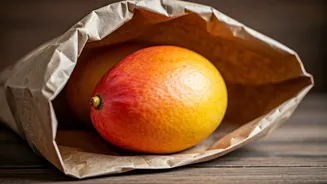
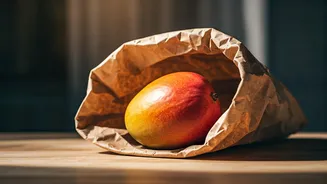
In response to these challenges, a time-tested method of ripening semi-ripened mangoes using paper bags, a common item from quick commerce deliveries, is gaining renewed attention. This technique, passed down through generations, capitalizes on the natural ripening process of mangoes. Fruits release ethylene gas, a natural plant hormone that accelerates ripening. However, in humid conditions, this can lead to trapped moisture and the subsequent growth of mold. Paper bags offer a brilliant solution by providing a controlled environment. They allow sufficient ethylene gas to accumulate for even ripening while also permitting adequate air circulation. This balance prevents the over-ripening that can occur in sealed containers and mitigates the risk of spoilage, ensuring that the mangoes mature beautifully without developing unwanted mold or becoming waterlogged.
The Paper Bag Method
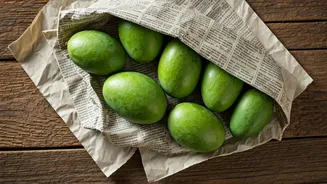
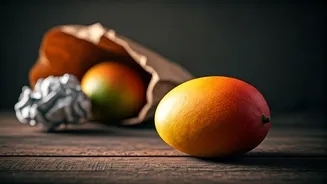
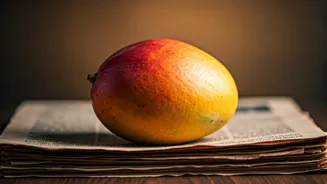
This traditional storage technique, often referred to as 'paal ka aam,' was widely practiced when orchards yielded large quantities of semi-ripe mangoes. The fruits would be carefully wrapped in newspaper and then stored in large baskets in dry, dimly lit areas, shielded from direct sunlight. The newspaper acted as an insulator and absorber, facilitating a gradual and even ripening process. Modern adaptations leverage readily available paper bags, often sourced from online shopping. The core principle remains the same: creating an environment where mangoes can ripen naturally and evenly. This method is particularly effective because it mimics the gradual release of ethylene gas, preventing a sudden surge that can overwhelm the fruit and lead to spoilage. The breathability of paper is key, allowing excess moisture to escape.
Practical Ripening Tips
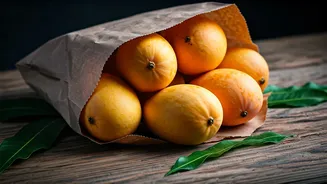
Applying this technique correctly involves a few nuanced steps tailored to the mango's stage of ripeness. For completely raw, green mangoes, place them inside a paper bag, loosely fold the top, and store at room temperature away from direct sunlight. The paper bag will trap enough ethylene to promote natural ripening. If you have mangoes that are already partially ripe, or 'half-ready,' a similar loose bag can be used, but placing it in a cooler part of the kitchen, like a pantry, can slow the ripening process slightly, allowing them to soften to perfection. In humid climates or during sweaty summers, lining the paper bag with a tissue or a piece of paper towel can help absorb any excess moisture, acting as a 'humidity buster.' This is crucial for preventing spoilage. For those who buy mangoes in bulk, it's advisable to separate any over-ripe fruits and place them in individual bags. This prevents their ethylene gas from accelerating the ripening of the entire batch, helping to keep the rest of the mangoes in sync.
Storage Guidelines
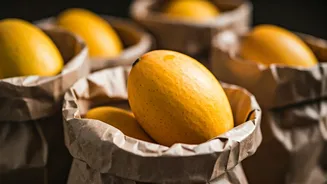
Adhering to a few simple guidelines will maximize the effectiveness of the paper bag ripening method. It's crucial to avoid tightly sealing the bags, as a certain amount of air circulation is essential for the fruits to 'breathe' properly. Overcrowding the bags with too many fruits at once should also be avoided; allow each mango sufficient space. Keep the ripening mangoes away from heat sources like ovens, direct sunlight, and areas that might be greasy, as these conditions can prematurely spoil the fruit. By following these steps, you can ensure your mangoes remain in prime condition and ripen to their full potential, offering a delicious taste of summer despite any challenges faced by the crop.