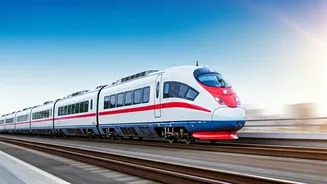

Rail Network Expansion
The Union Budget 2026 has brought forward the implementation of several high-speed rail corridors across India, marking a significant development in the nation's
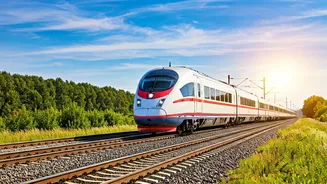
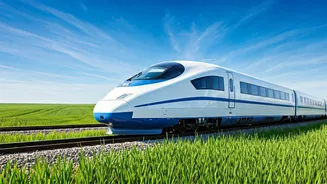
infrastructure. This expansion initiative is geared towards enhancing connectivity and boosting economic progress throughout the country. A series of routes, including crucial connections such as Mumbai-Pune and Hyderabad-Bengaluru, have been proposed to facilitate faster and more efficient travel. These corridors are not merely about speed; they aim to integrate various regions, thereby promoting both business and tourism. The government's vision underscores a commitment to create a modern transportation system. The high-speed rail project also anticipates a reduction in travel times, improved capacity, and a subsequent positive impact on trade and regional growth, paving the way for increased productivity and regional economic development.
Mumbai-Pune Corridor
One of the most noteworthy projects unveiled in the Union Budget 2026 is the high-speed rail corridor linking Mumbai and Pune. This route promises to dramatically cut down travel time between the two major cities, thereby transforming the daily commuting experience for numerous professionals and other travelers. By streamlining transportation, the corridor is expected to have a considerable effect on the economy of both cities, encouraging greater business interactions and investment. Both Mumbai and Pune are crucial financial and industrial centers, so faster transit options will greatly aid commerce and trade. The project highlights an important step in regional development, providing substantial improvements in the movement of people and goods, which in turn will enhance overall productivity and quality of life for residents within the corridor.
Hyderabad-Bengaluru Link
Another key component of the Union Budget 2026's infrastructure vision is the high-speed rail corridor connecting Hyderabad and Bengaluru. This rail line will bring considerable advancements to the transport infrastructure of these two IT hubs, helping to streamline operations and enhance regional connectivity. By reducing travel times, the corridor intends to stimulate a surge in both business and tourism, encouraging a new era of economic and cultural exchange. Bengaluru, a prominent technological center, and Hyderabad, a rising urban hub, stand to benefit significantly from greater accessibility. The project’s implementation will further assist in the consolidation of industries and facilitate knowledge sharing and professional collaboration. This will contribute to the ongoing development of the South Indian economic landscape, offering improvements in travel and overall quality of life.
Key Corridor Details
The ambitious plan includes the establishment of multiple high-speed rail corridors. The specific routes unveiled in the Union Budget 2026 cover a wide geographical area. Among these, the Mumbai-Pune corridor will be a critical route, offering rapid transit between two of the nation's most dynamic cities. Furthermore, the Hyderabad-Bengaluru connection promises to bolster connectivity within the southern region, fostering trade and business growth. Other essential corridors will include links that enhance the infrastructure and promote regional integration. Each corridor has been carefully planned to address the specific travel needs of the regions they serve, contributing to a more interconnected India. The project underscores the government’s commitment to providing enhanced transportation solutions, ensuring economic growth and the upliftment of urban centers and surrounding areas.
Impact and Benefits
The high-speed rail corridors introduced in the Union Budget 2026 are slated to have a substantial, far-reaching impact across multiple sectors. One of the main advantages is a major reduction in travel times, which will improve the operational efficiency for individuals and industries alike. Businesses will see enhanced productivity because of the quick transit of goods and people, resulting in higher investment and growth. Moreover, this investment in infrastructure will trigger the creation of jobs, directly benefiting local communities and fostering employment prospects. Tourism is expected to flourish because of improved connectivity, bringing economic advantages to several regions. Ultimately, the high-speed rail network promises a modern, effective transportation system to boost India's economic growth and social development by improving the travel experiences of millions, bolstering commercial activity, and advancing the nation's overall progress.
Future Implications
Looking ahead, the high-speed rail initiative announced in the Union Budget 2026 will have far-reaching effects on the growth and modernization of India. The development of these rail corridors sets the scene for future infrastructure improvements, potentially opening up opportunities for even greater innovation and technological advancements in transportation. The increased investment is anticipated to draw in both domestic and international investment, which will strengthen the economic ecosystem. Furthermore, the project emphasizes a commitment to a sustainable transportation future, possibly including environmentally friendly practices and a decrease in reliance on traditional methods. These efforts will enhance living standards while ensuring a transport system designed for long-term growth and success. This proactive strategy emphasizes the government's resolve to develop a modern, connected India, ready for upcoming global challenges.