
Western Capitals Challenged
The fashion world has long been dominated by Western cities like Paris, New York, Milan, and London, considered the ultimate style hubs. However, the global
fashion landscape is transforming. New fashion centers are quickly gaining influence, fueled by busy event schedules, increasing media attention, and a surge in local industries. Asian and Middle Eastern brands have seen remarkable growth, with over a 40 percent rise in the past three years, according to Fortune Business Insights. Furthermore, a report by BoF and McKinsey identified the Middle East as the most promising region for growth, as stated by 51 percent of global fashion executives. This data suggests a major shift, with regions outside of the traditional fashion strongholds becoming increasingly important on the global stage. This transformation is driven by shifting consumer preferences and the rise of social media platforms.
Dubai's Fashion Ascent
Dubai currently leads the pack as the world's fastest-growing fashion capital. The city's prominence is supported by approximately 100,000 media mentions and over 7 million Instagram posts, all showcasing its thriving fashion scene. Dubai hosts an impressive 84 fashion events annually. This combination of extensive media presence, significant social media engagement, and a packed events calendar firmly establishes Dubai as a major player in the global fashion industry. Its rapid rise indicates a strong appeal to a diverse audience and its ability to capture global attention, cementing its position among the world's leading fashion centers. The city's dedication to fashion, reflected in these numbers, underlines its potential to maintain its upward trajectory and challenge the influence of established fashion hubs.
Sydney's Event Powerhouse
Sydney secures the second position, with a calendar brimming with fashion events. The city puts on around 420 events each year, demonstrating a bustling design scene, and receives over 105,000 media mentions. These numbers showcase Sydney's strong fashion presence. Moreover, the city has 46 current fashion job openings, a sign of a dynamic design ecosystem. Together with Melbourne, Sydney boosts Australia's fashion influence through about 1,000 design events each year, outperforming other prominent fashion cities globally. This highlights the city's robust infrastructure and its capacity to draw designers, media, and audiences. This further solidifies its status as a major fashion destination, offering numerous opportunities for both emerging and established designers.
Mumbai's Digital Buzz
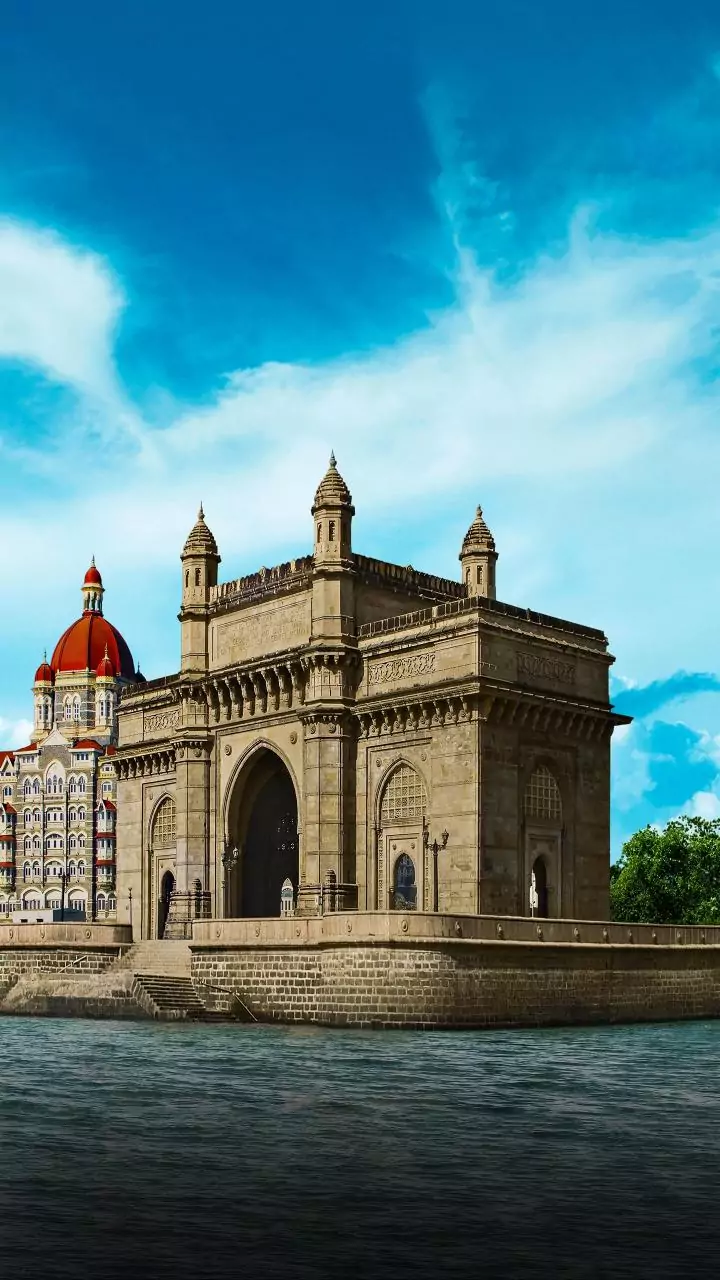
Mumbai, ranked third, benefits from almost 120,000 media articles spotlighting its designers and upcoming trends. It also boasts a substantial digital presence, with over 2 million Instagram posts celebrating its unique style culture. Mumbai's fashion infrastructure is growing rapidly, with two design schools and 59 available fashion roles, all supporting the growth of fresh creative talent. The consistent media interest, combined with robust digital engagement and a focus on nurturing creative talent, helps build a dynamic and flourishing environment. Its capacity to merge tradition with contemporary styles and its ability to use social media to reach wider audiences underscore its importance in the global fashion landscape, positioning it as a significant influence in the evolving industry.
Lagos, African Leader
Lagos takes the fourth spot, spearheading the African fashion scene. The city has three fashion weeks in 2025, including Africa Fashion Week, which is more than most cities worldwide. The city's creative energy is evident on social media, with approximately 5 million Instagram posts displaying its innovative designers and street style. This combination of events, social media interest, and inventive design positions Lagos as a vital fashion center. The city's ability to host major events and use digital platforms to amplify its creative voices contributes to its rising global status. Lagos's influence is increasingly recognized, demonstrating its capacity to make significant contributions to the global fashion landscape and shaping fashion trends across the globe.
Delhi's Media Dominance
Delhi completes the list as India’s second emerging fashion hub, with one major fashion week and 11 additional design events each year. The city's media impact is exceptional, garnering roughly 135,000 pieces of coverage, the most in the study. Delhi’s style scene thrives digitally as well, with 2 million Instagram posts documenting its trends, while two design schools nurture emerging talent alongside Mumbai’s growing creative community. The mix of a packed events schedule, extensive media attention, and active engagement on social media shows the city’s growing significance. This combination of elements reflects Delhi's capacity to produce a vibrant and diverse fashion environment. Its ability to create opportunities for emerging talent and foster creative communities highlights its relevance in the fashion world.
The Changing Landscape
As stated by a spokesperson from Kaiia, the symbolic shift seems evident. Western fashion capitals still lead globally, but their influence is gradually decreasing. This suggests that the fashion industry is ready to welcome the emerging trends. Consumers are increasingly searching for specific styles, such as Chinese and Korean streetwear, which is bringing money into these markets. Investors are funding design studios, and fashion weeks are launching. Social media is making it simple for local trends to find global customers. This shift towards new geographies and styles indicates a more varied and dynamic future for fashion. These changes are reshaping the fashion world, moving away from a singular, Western-focused approach and embracing a wider range of global styles and influences.