




Ancient Origins and Evolution
The saree's origins are deeply rooted in ancient Indian civilization, with evidence suggesting its existence dating back thousands of years. Early forms
of the saree were simpler, draped garments, evolving over time with the introduction of new weaving techniques and materials. Initially, sarees were likely made from cotton and silk, reflecting the regional availability of resources. Through centuries of cultural exchange and innovation, the saree underwent various transformations, incorporating diverse patterns, colors, and embellishments, each reflecting the aesthetic preferences of different eras and regions. From the simple drape to the elaborate designs, the saree has adapted to changing fashion trends while maintaining its fundamental form.
Regional Styles and Diversity
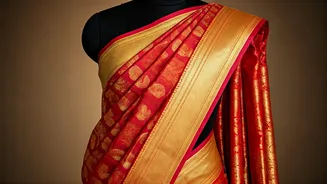
The beauty of the saree lies in its incredible diversity, with each region of India boasting unique styles and weaving traditions. From the vibrant silk sarees of Kanchipuram in Tamil Nadu to the intricate Bandhani of Gujarat, each style showcases the unique cultural identity of its region. The materials used also vary, including silk, cotton, and various blends, each contributing to the saree's texture and drape. The patterns and motifs, often inspired by local flora, fauna, and religious symbols, add to the saree's rich visual appeal. The variations in draping styles, from the classic Nivi style to the more contemporary versions, further demonstrate the saree's adaptability and enduring appeal. This regional diversity ensures that there is a saree for every occasion and personal preference.
The Saree's Cultural Significance
Beyond its aesthetic qualities, the saree holds profound cultural significance in India, often representing tradition, grace, and womanhood. The saree is worn for important life events, such as weddings, festivals, and religious ceremonies, symbolizing auspiciousness and prosperity. The choice of saree often reflects the wearer's status, age, and relationship to the event. The saree is not just a garment; it is a symbol of cultural identity, preserving traditions passed down through generations. Wearing a saree is often seen as a mark of respect and a way to connect with one's heritage. The saree's role in shaping cultural narratives and expressing personal identity underscores its enduring relevance in contemporary India, transcending mere fashion to become a powerful emblem of cultural continuity.
Materials and Craftsmanship
The quality of a saree is often determined by the materials used and the craftsmanship involved in its creation. Silk sarees, renowned for their luxurious texture and vibrant colors, are highly prized and often associated with special occasions. Cotton sarees, on the other hand, provide comfort and breathability, making them suitable for everyday wear. The intricate weaving techniques, such as the use of zari (metallic thread) and hand-embroidered embellishments, add to the saree's value and artistry. Artisans, often from families that have been weaving for generations, pour their skill and dedication into each piece, ensuring that every saree is a unique work of art. The process of creating a saree, from selecting the yarn to the final weaving and finishing touches, is a testament to the dedication and skill of Indian artisans.
The Saree Today
The saree continues to evolve, adapting to modern fashion trends while maintaining its timeless appeal. Contemporary designers are experimenting with new fabrics, patterns, and draping styles, making the saree relevant to younger generations. The rise of online platforms has expanded the reach of the saree, making it accessible to a global audience. While retaining its traditional roots, the saree is now often worn in more casual settings, paired with modern blouses and accessories. The saree’s ability to remain contemporary while honoring its heritage is a testament to its adaptability and enduring appeal. The saree remains an important part of the Indian fashion landscape, embraced by women of all ages and backgrounds, and has become a symbol of both tradition and modernity.