



Lanolin: Sheep's Wool Wonder
Ancient Romans harnessed the power of lanolin, a substance sourced from sheep's wool, applying it as a nightly balm. This potent ingredient, despite its
rather earthy aroma, served as a remarkable emollient. It effectively fortified the skin's natural defenses, ensuring deep hydration and leaving the skin feeling exceptionally soft and resilient. This historical practice highlights a precursor to modern skincare, where lanolin's beneficial properties are still recognized and incorporated into contemporary lip balms and robust moisturizing creams, proving its enduring efficacy.
Cleopatra's Milk Baths
The legendary Egyptian queen Cleopatra was renowned for her opulent bathing rituals, which famously involved immersing herself in fresh milk instead of water. This indulgence wasn't merely for luxury; milk is rich in lactic acid, a natural alpha-hydroxy acid that gently sloughs away dead skin cells. By regularly partaking in these milk baths, she was able to reveal a fresher, more luminous complexion, contributing to the smooth, supple, and radiant skin for which she was admired. This ancient practice underscores the understanding of milk's exfoliating and brightening capabilities.
Honey: Nature's Elixir
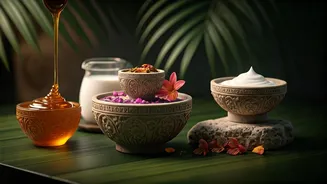
Honey has been a cornerstone of beauty and healing for over 15,000 years, applied directly to the skin for its remarkable moisturizing, wound-healing, and antibacterial attributes. Ancient cultures recognized its ability to soothe, clarify, and hydrate the skin, leading to a calmer and clearer complexion. While its stickiness could make wound treatment a bit arduous, its potent antimicrobial properties were unparalleled in aiding recovery. This ancient wisdom about honey's multifaceted benefits continues to be appreciated today, even if its application methods have evolved.
Snail Mucus Facials
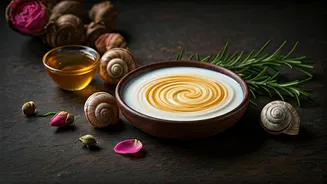
The current global fascination with snail mucin serums has deep roots in ancient beauty practices. Centuries ago, individuals would allow actual snails to traverse their faces. The mucus secreted by these gastropods is a treasure trove of beneficial compounds, including peptides, antioxidants, and hyaluronic acid. These elements work synergistically to repair the skin's barrier, deliver intense hydration, and offer significant anti-aging advantages. This historical method, though unconventional by today's standards, laid the groundwork for a skincare ingredient now celebrated for its regenerative properties.
Unconventional Animal Residues
Ancient skincare was not always about gentle, pleasant ingredients; some practices incorporated rather unusual animal-derived substances. While modern beauty predominantly utilizes honey and milk from the animal kingdom, historical routines sometimes included materials like crocodile or cow dung, as well as goat and camel milk. These were applied for their perceived nourishing and exfoliating qualities. This broad spectrum of ancient remedies illustrates a deep reliance on natural, albeit sometimes startling, resources to achieve desired cosmetic outcomes, a stark contrast to today's refined approach.