



The Fizz Factor
Many household cleaning tips circulate online, and one common suggestion involves using a can of cola to combat stubborn toilet bowl stains, particularly
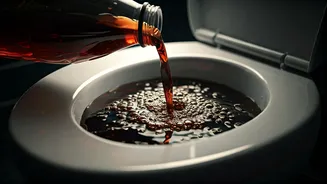
those rust-like mineral deposits that resist regular cleaners. The premise behind this hack lies in the beverage's phosphoric acid content. This acid gives cola its distinctive tartness and, at a pH level of around 2.5, it possesses the capability to gradually break down mineral components like calcium and magnesium, which are often the culprits behind those unsightly stains. While it might seem like a convenient, readily available solution when you're caught short on specialized cleaning products, the effectiveness and consequences of using soda for toilet cleaning are more complex than they initially appear.
Hidden Dangers
While the acidity of cola can indeed loosen mineral deposits, its application as a toilet cleaner comes with significant risks. Research suggests that the acidic nature of the drink can actually alter the surface of the ceramic glaze, making it rougher. This roughened surface, paradoxically, can then trap pigments from the cola itself, potentially leaving behind a faint discoloration or tint, especially if left for an extended period. Furthermore, a major drawback is the high sugar content inherent in most colas. If the toilet bowl isn't thoroughly rinsed after the soda has had time to work, a sticky sugar residue will remain. This residue can become a breeding ground for bacteria, potentially compromising the hygiene of your bathroom and creating a less sanitary environment than before you started the cleaning attempt.
Time and Alternatives
To mitigate potential damage, experts advise limiting the time cola is left in the toilet bowl to no more than one hour. This duration allows the acid to interact with the mineral stains while minimizing the risk of etching the ceramic surface. A gentle scrub can aid in dislodging loose debris, but a thorough rinse is crucial to remove any lingering sugar. However, even with these precautions, the consensus among cleaning professionals is that relying on cola for toilet cleaning is not ideal for long-term maintenance. Safer and more effective alternatives exist. White vinegar, with its own acidic properties but without the added sugar and coloring, is a recommended substitute. Commercial toilet cleaners are specifically formulated to effectively clean and protect ceramic surfaces, ensuring a lasting shine without the detrimental effects associated with sugary beverages.