







Climate Control Factors
Deciding whether to let the summer breeze in or seal your home against the heat hinges on a few critical environmental elements. The most significant considerations
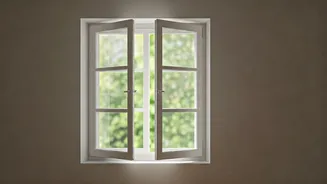
are the temperature difference between the outdoors and your living space, as well as the prevailing humidity levels. If the air outside is noticeably cooler than inside, opening windows can offer an effective, natural cooling solution. Conversely, during the hottest parts of the day, when outdoor temperatures soar, keeping windows shut is paramount to prevent the ingress of searing heat. Beyond temperature, factors like the direction of the wind and the presence of shade can also impact how beneficial open windows are. Homes with well-designed airflow might find evening or early morning ventilation particularly refreshing. However, in locales experiencing high humidity or intense direct sunlight, maintaining a cool interior often necessitates closed windows.
Humidity's Crucial Role
The impact of outdoor humidity on your home's comfort level is substantial when deciding on window ventilation. On sweltering days marked by high humidity, opening your windows can inadvertently worsen indoor conditions. The influx of moist air can make your home feel clammy and uncomfortably sticky, intensifying feelings of heat and hindering your body's ability to cool down through evaporation. In such scenarios, it's generally more advisable to keep windows closed and utilize air conditioning systems, which are designed to regulate both temperature and dehumidify the air, providing a more effective respite from the oppressive conditions. In contrast, regions with drier climates can often benefit from opening windows during the cooler parts of the day, such as dawn or dusk. This allows cool, dry air to circulate, effectively lowering the indoor temperature without contributing to a damp or uncomfortable atmosphere.
Strategic Timing for Ventilation
The timing of your window adjustments is a cornerstone of effective summer home ventilation. Experts recommend opening windows in the early morning or late evening when the external air temperatures naturally dip. This practice allows your home to benefit from cooler ambient air, helping to maintain a comfortable internal climate without an immediate reliance on energy-intensive air conditioning. Conversely, it is crucial to close windows during the peak heat hours of the afternoon or midday. This deliberate closure acts as a barrier, preventing the influx of scorching hot air and helping to preserve the cooler temperatures that were established during the more favorable morning or evening periods, thereby maximizing your home's thermal comfort.
Fans and AC Synergy
The effectiveness of window management can be significantly enhanced by integrating fans or air conditioning systems. When employing fans alongside open windows, the primary objective is to cultivate a cross-breeze that facilitates continuous air movement throughout the dwelling. This strategy is particularly advantageous during the cooler hours of the day, such as early morning or late evening. By positioning fans strategically near windows, you can actively draw cooler outdoor air into the house while simultaneously expelling warmer indoor air, thereby creating a more refreshing and comfortable living space. However, when your air conditioning unit is in operation, maintaining a sealed environment by keeping windows closed is essential for optimal efficiency. Air conditioners function by cooling and dehumidifying the indoor air; any open windows will allow warm, humid outside air to infiltrate, significantly diminishing the AC's performance and escalating energy consumption. For peak efficiency and comfort, ensure all windows are shut tight when the AC is on.