


The Scented Defense
Many gardeners face the frustrating reality of wildlife enjoying their produce and flowers more than they do. Instead of resorting to chemical solutions,
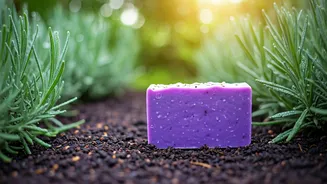
a growing trend involves using strongly scented soap bars as a natural repellent. This method establishes an invisible 'smell fence' that confuses the sensitive noses of animals like deer, rabbits, and rodents, prompting them to look for sustenance in less aromatic locations. The effectiveness stems from the soap's composition, particularly the fatty acids derived from animal tallow, which create an unfamiliar and intense aroma. When animals encounter these strong scents, their natural instinct is to avoid them, guiding them away from the protected garden. This technique is a revival of an old-fashioned, chemical-free approach to safeguarding one's landscape from unwanted foraging.
Scientific Substantiation
The efficacy of using soap as a repellent is more than just anecdotal; it's supported by research. Studies, such as one conducted at the Connecticut Agricultural Experiment Station, have demonstrated that certain soaps, like Ivory, can significantly reduce damage to plants, with one study noting a nearly 38% reduction in browsing on Japanese yews. While the scent plays a role, it's the fatty acids within the soap that act as the primary deterrent. Research suggests that these compounds trigger an avoidance response in animals with acute senses of smell. It's important to note that the 'sphere of influence' for a single soap bar is relatively small, typically protecting plants within a one-meter radius. For more comprehensive protection, multiple bars might be necessary, strategically placed around vulnerable plants.
Dual Protection Power
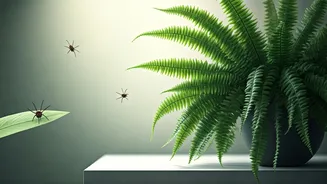
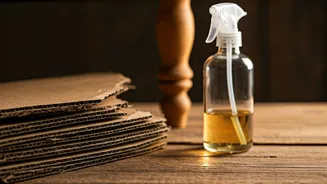
Beyond deterring larger garden visitors, soap can also offer protection against smaller, often microscopic, pests. Diluted soap solutions have been found to be effective against common garden insects like aphids and spider mites. The soap works by breaking down the protective outer layer of these insects, leading to dehydration and their demise. This dual functionality makes soap a versatile tool in a gardener's arsenal, providing a protective layer against both larger mammals and smaller invertebrates. Incorporating soap into your gardening routine can thus ensure a more robust defense for your plants against a wider range of threats, from deer nibbling leaves to mites feeding on sap.
Eco-Friendly & Adaptable
The appeal of the soap bar repellent is deeply rooted in the growing movement towards sustainable gardening practices. Unlike synthetic pesticides or chemical sprays that can pollute soil and water sources, soap offers an environmentally conscious alternative. Pure soaps, especially those made from vegetable oils or castile soap, are considered more eco-friendly than detergents, which often contain petroleum-derived ingredients that can harm plants. However, for optimal results, the method requires some adaptation. To prevent animals from becoming accustomed to the scent, it's recommended to move or rotate the soap bars periodically. Using highly fragrant deodorant soaps can enhance effectiveness, particularly when combined with other low-cost repellent strategies. Placing bars at 'nose level' for the pests is often cited as the most effective height, but gardeners should be aware that heavy rainfall can diminish the soap's scent, necessitating regular replacement every few weeks to maintain a strong olfactory barrier.
Instinctual Garden Harmony
Ultimately, the practice of using soap bars to deter garden pests transcends a simple pest-control tactic. It represents a more instinctual approach to gardening, one that seeks to understand and respond to animal behavior through sensory cues. This accessible, scent-based, and economical method allows gardeners to regain control over their plots by working with, rather than against, natural processes. By leveraging the power of scent and understanding an animal's natural responses, gardeners can effectively protect their precious plants from damage. Whether dealing with the persistent nibbling of rabbits or the larger appetite of deer, the humble soap bar emerges as a surprisingly effective ally in fostering a flourishing garden once more.