


Gather Your Goodies
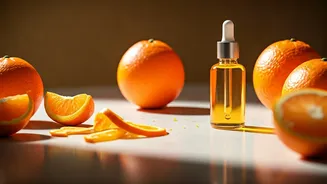
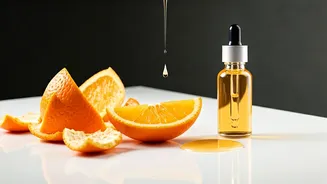
To embark on this skincare adventure, you'll need a few select items. Prioritize using 2-3 organic oranges to sidestep any potential pesticide residues
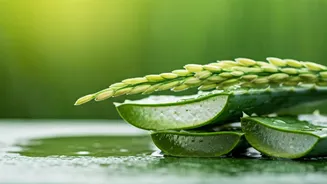
commonly found on conventionally grown fruits. Supplement this with 2 tablespoons of rose water; if it's unavailable, distilled water can serve as a suitable substitute. A generous 1 tablespoon of pure aloe vera gel will form the soothing, hydrating foundation of your serum. Next, incorporate ½ teaspoon of vegetable glycerin, an excellent humectant renowned for its ability to draw moisture into the skin. Finally, add 2 Vitamin E capsules, which provide an extra layer of antioxidant protection and aid in preserving the serum's freshness.
Peel Prep Perfection
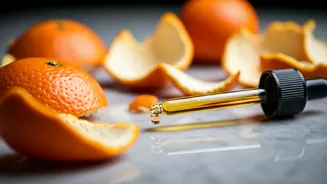
The initial phase involves meticulous preparation of your orange peels. Begin by washing the oranges thoroughly to ensure they are clean. Carefully peel them, taking care to remove as much of the bitter white pith as possible, as this can impact the final product's taste and texture. Arrange the peels in a single layer on a tray and allow them to dry completely. You can achieve this by leaving them in direct sunlight for a few days or, for a quicker method, by baking them in an oven set to its lowest possible temperature for an hour or two. Once thoroughly dried, pulverize the peels into a very fine powder using a grinder. Crucially, sift this powder to eliminate any coarse or gritty particles, ensuring a smooth consistency for your serum.
Extracting the Essence
Now, it's time to extract the beneficial compounds from your citrus powder. In a small bowl, combine a tablespoon of your finely ground orange peel powder with approximately two tablespoons of rose water. Stir these ingredients together, cover the bowl, and let the mixture steep for a period of 4 to 6 hours. This steeping process is vital as it allows the water-soluble Vitamin C to be effectively drawn out from the peels. After the steeping time has elapsed, strain the mixture using cheesecloth or a coffee filter, pressing firmly to extract every last drop of the infused liquid. Discard the remaining pulp.
Crafting Your Serum
With your infused orange liquid ready, the next step is to combine it with the other key ingredients. Add your aloe vera gel and vegetable glycerin to the citrus liquid. Then, pierce the Vitamin E capsules and gently squeeze the oil into the mixture. Whisk all these components together vigorously. Continue stirring until the aloe vera gel has fully dissolved and the mixture achieves a slightly cloudy appearance with a pleasant, gel-like consistency. This blending process ensures all ingredients are well incorporated, creating a smooth and effective serum.
Storage and Application
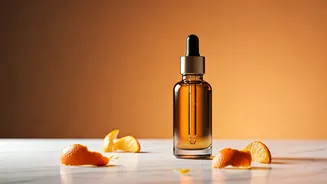
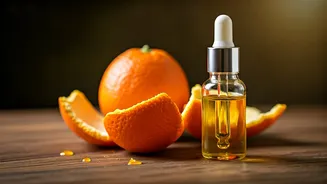
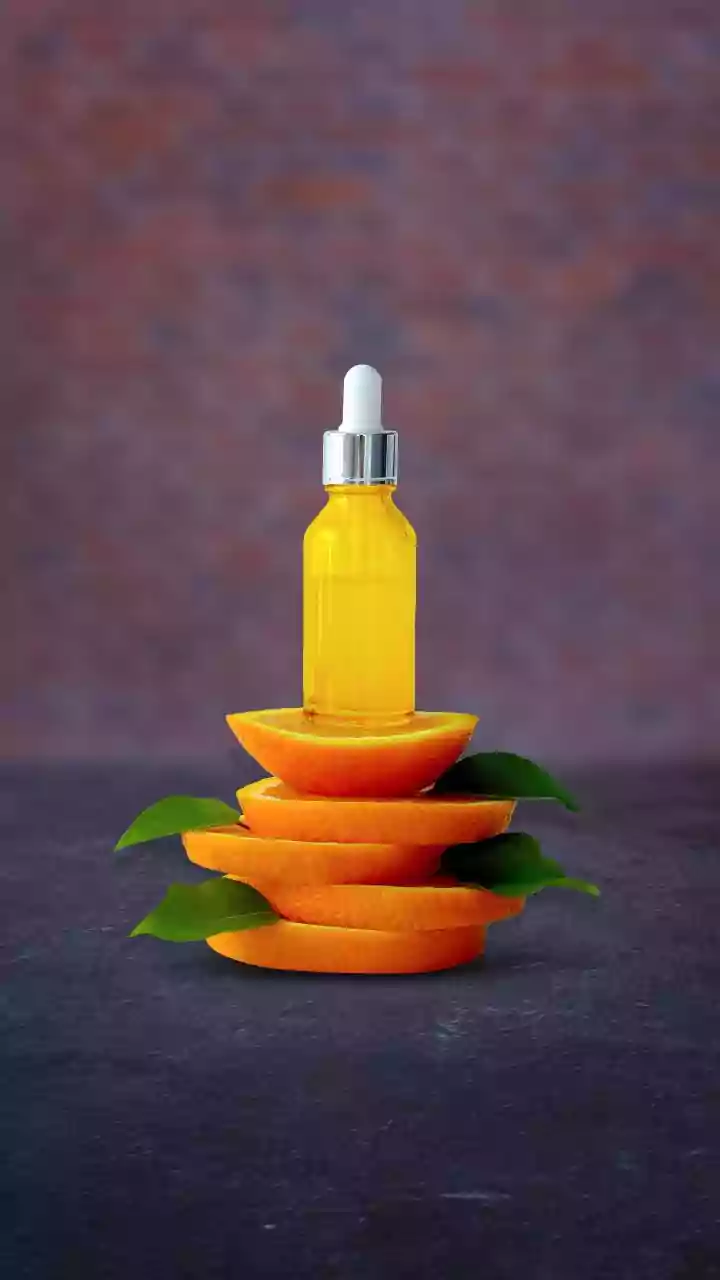
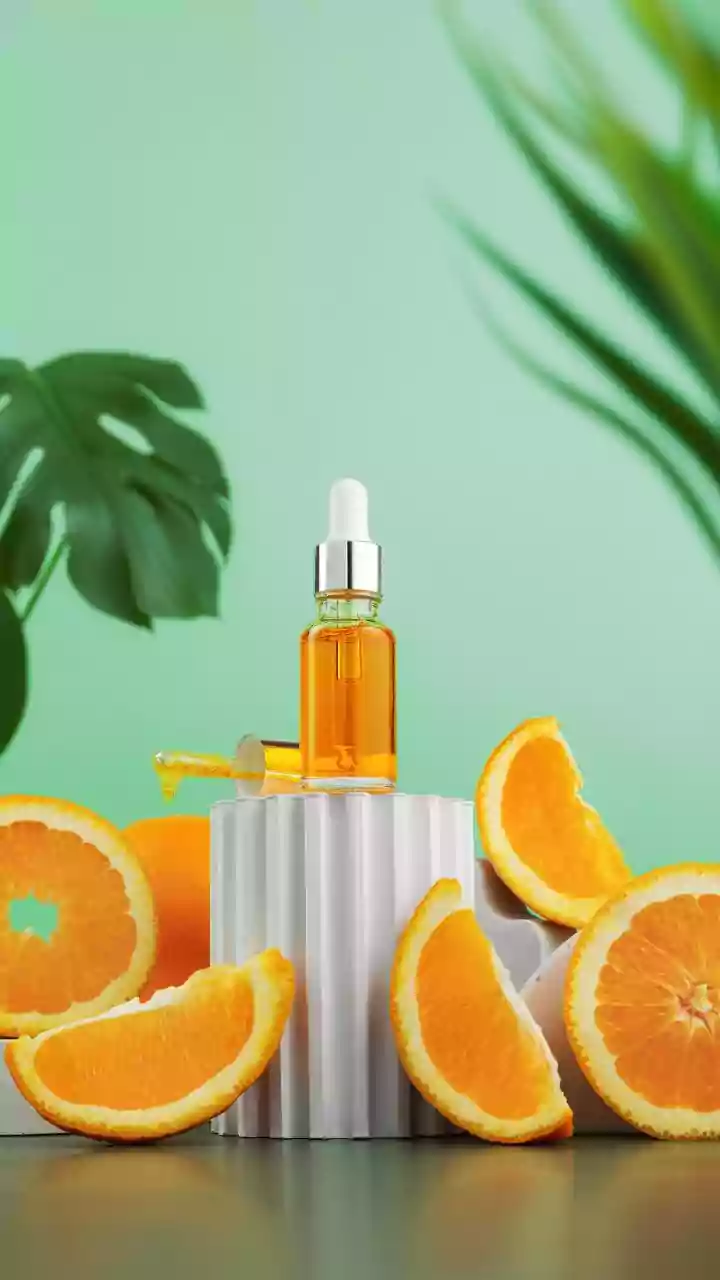
Transfer your freshly made serum into a dark glass dropper bottle, such as amber or cobalt blue. The dark glass is essential for protecting the delicate Vitamin C from light, which can accelerate its degradation. Since this serum contains no artificial preservatives, it's imperative to store the bottle in the refrigerator to prevent the growth of mold and bacteria. When applying, cleanse your face thoroughly and then dispense 3-4 drops of the serum. Gently massage it into your skin using upward strokes. Always follow up with your preferred moisturizer. If applying in the morning, diligent use of a broad-spectrum sunscreen is absolutely critical, as Vitamin C can increase skin sensitivity to UV rays, potentially undoing the serum's benefits.
Realistic Expectations
While crafting your own skincare is immensely satisfying, it's important to maintain realistic expectations regarding homemade formulations. Natural Vitamin C, even in its potent form, is inherently unstable. If your serum develops a dark yellow or brown hue, or begins to emit an unusual odor, it signifies that oxidation has occurred. In such cases, it's best to discard the batch and prepare a fresh one, which should ideally be done every 7 to 10 days. Furthermore, understand that this water-based homemade extract may not penetrate the skin's barrier as deeply as professionally formulated clinical serums. It primarily offers surface-level brightening and hydration. Always perform a patch test on your jawline 24 hours prior to applying the serum to your entire face to ensure no adverse reactions occur.