


The Dry Brushing Phenomenon
Dry brushing has surged in popularity, appearing in beauty stores and conversations, promising smoother skin, detoxification, and improved circulation,
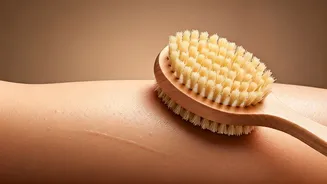
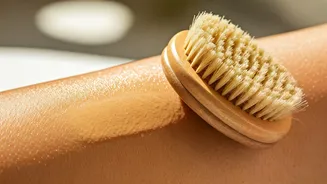
with a significant emphasis on lymphatic drainage. Originating from ancient Ayurvedic practices, this technique involves using a firm-bristled brush on dry skin, typically before bathing, with strokes moving towards the heart. While many associate the resulting pinkness and exfoliation with deep internal benefits, it's crucial to discern the actual physiological effects from the widespread claims. This practice, though centuries old, now faces modern scrutiny regarding its purported ability to significantly impact the lymphatic system.
Exfoliation vs. Lymphatic Flow
The primary, scientifically supported function of dry brushing is its role as an exfoliant and its ability to enhance superficial blood circulation. When you brush your skin, you're physically sloughing off dead skin cells, revealing brighter, smoother skin beneath. The pink hue and invigorating sensation come from increased blood flow to the skin's surface. However, experts clarify that dry brushing does not induce true lymphatic drainage in a medical sense. The precise pressure and directional flow required to effectively move lymph fluid are generally not achieved through home dry brushing. Therefore, the feeling of lightness or a temporary reduction in puffiness is more attributable to surface-level effects rather than a significant boost to the lymphatic system's function.
Scientific Scrutiny of Claims
Despite its widespread adoption in wellness circles, robust scientific evidence supporting dry brushing's efficacy for lymphatic drainage is notably scarce. Medical professionals point to established treatments like manual lymphatic drainage, compression therapy, and device-based therapies as proven methods for addressing lymphatic issues. The lymphatic system is an intricate network vital for fluid balance, waste removal, and immune support, and it requires specific techniques for effective stimulation, especially when compromised by conditions such as lymphedema. A simple brush, however stimulating, does not possess the capabilities to address these complex physiological processes.
Professional Techniques Compared
There's a vast difference between dry brushing at home and professional lymphatic drainage massage. Manual lymphatic drainage is a specialized technique performed by trained therapists who meticulously follow the specific pathways of the lymphatic channels, applying gentle, rhythmic movements. They possess a deep understanding of lymphatic anatomy, node locations, and the exact pressure needed. In contrast, dry brushing is a more generalized wellness practice. For genuine concerns like swelling, fluid retention, post-surgical recovery, or body contouring, professional lymphatic drainage is the appropriate and effective approach, far surpassing the scope of home dry brushing.
Realistic Benefits to Expect
While dry brushing doesn't deliver medical-grade lymphatic drainage, it does offer tangible benefits for skin appearance and feel. Users can anticipate smoother, more radiant skin due to the effective removal of dead skin cells and a temporary plumping effect from increased superficial blood flow. This heightened circulation can also contribute to a short-lived reduction in mild puffiness. These effects are primarily cosmetic and temporary, stemming from exfoliation and improved circulation rather than systemic lymphatic detoxification. For persistent or significant lymphatic issues, consulting a healthcare professional for specialized treatments remains essential.
Who Should Avoid Dry Brushing
Dry brushing is not universally suitable and should be approached with caution, particularly by individuals with certain skin conditions. Those with sensitive skin, eczema, psoriasis, active acne, open wounds, or recent surgical sites should refrain from dry brushing to prevent exacerbating irritation, spreading infections, or damaging the compromised skin barrier. If attempting the practice, it's advisable to use a very soft brush with minimal pressure, focusing on gentle strokes rather than aggressive scrubbing. Overdoing dry brushing can strip the skin's natural moisture, leading to dryness and sensitivity, so moderation and careful attention to skin's reaction are paramount.