


Vigilant Supervision is Key
Constant observation during playtime is paramount for child safety. Always ensure young children are within sight and reach when engaged with toys. This
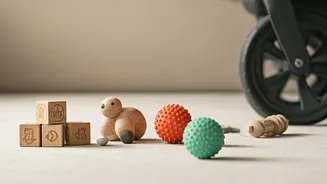
active oversight helps in immediate intervention should any unsafe situation arise. Furthermore, strictly adhere to the age recommendations printed on toy packaging, as these are designed to match a child's developmental stage and abilities. Regularly examine toys for any signs of damage, such as loose or broken components, which could become choking hazards or cause injuries. Exercise particular caution with toys that feature strings, small detachable parts, projectile mechanisms, or electrical connections. Even seemingly harmless activities like rough play or jumping on toys can lead to falls and accidents, so maintaining a watchful eye is crucial. For toys powered by small batteries, it's vital to ensure the battery compartment is securely fastened to prevent children from accessing and swallowing them, as these are a significant choking risk. Items intended for older children, especially those with small parts, should be stored well out of reach of younger siblings to avert choking incidents or accidental ingestion.
Hazardous Items & Materials
Certain toys and their components present unique risks that demand parental awareness. Balloons, for instance, are a leading cause of toy-related choking fatalities, posing a severe threat to children up to six years old, necessitating very close supervision. Riding toys, while fun, can be dangerous if used improperly. Injuries are common when children fall off these toys or use them near hazardous areas like streets, swimming pools, or open water bodies. High-speed riding toys such as skateboards, scooters, and in-line skates carry a risk of serious or fatal falls; therefore, wearing helmets and appropriate safety gear is non-negotiable. Any toy with sharp edges, points, or shooting parts can inflict cuts and other injuries. When shopping, physically inspect toys to ensure they are free from sharp elements. Additionally, opt for washable toys whenever possible. These help minimize the accumulation of dust, germs, and allergens that can trigger or exacerbate asthma and allergies in children. Proper cleaning and storage of toys are also essential for maintaining hygiene and overall safety.
Product Selection & Awareness
Preventing injuries starts with informed purchasing decisions and staying updated on product safety. Parents should make it a habit to check official recall lists and safety alerts for toys, cribs, strollers, and other baby products. Do not acquire any product without first verifying its safety for your child. Certain items require special scrutiny. Baby walkers are generally not recommended as they can lead to severe injuries and do not aid in a baby's natural walking development. Cribs must have appropriately spaced slats, a snug-fitting mattress, and be free from broken parts. Highchairs and strollers need to be stable, used with their safety restraints, and kept clear of cords or other potential hazards. When selecting toys, ensure they are lead-free and made from non-toxic, child-safe materials. Be wary of toys emitting strong chemical odors, as this can signal the presence of harmful substances. It's also advisable to avoid older toys, even hand-me-downs, as they may not meet current safety standards and could be worn to the point of becoming hazardous. Loud toys, including certain rattles, squeakers, and electronic toys, can reach noise levels comparable to a car horn, potentially causing hearing loss if held close to the ear. Repeated exposure to such sounds can permanently affect a child's hearing over time. Finally, avoid small objects like marbles, coins, small balls, magnets, and toys with small detachable pieces, as these pose significant choking and breathing risks for young children.