

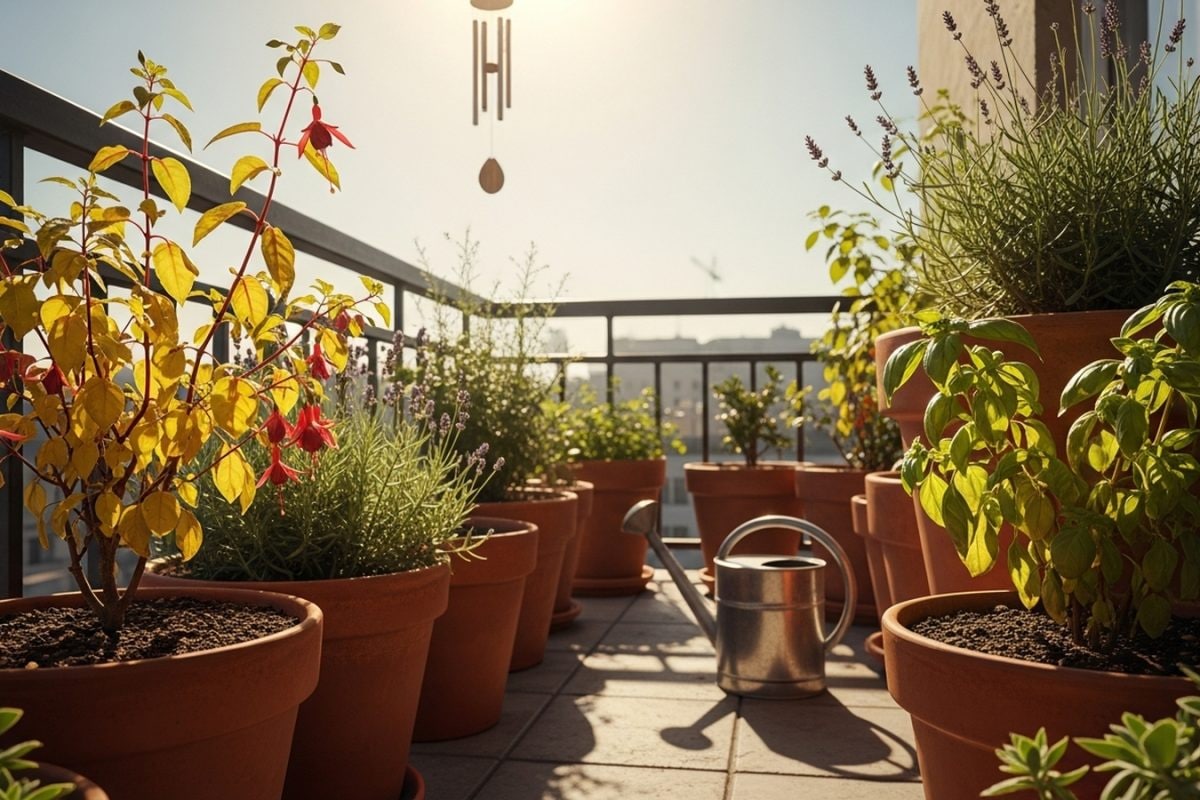
Unexpected Garden Savior
When the weekend gardening session reveals unwelcome fissures on beloved tools or decorative planters, the immediate thought might be a trip to the hardware
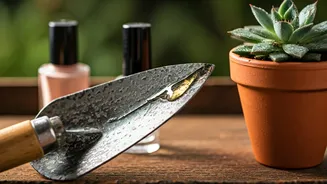
store for a more robust repair. However, many resourceful gardeners are now turning to an item already present in their homes: clear nail polish. This readily available solution offers a remarkably fast and waterproof method to create a protective barrier, thereby significantly extending the lifespan of your gardening equipment. It acts as a swift, accessible fix for those small, emerging cracks, preventing them from escalating into more substantial problems that would necessitate replacement or extensive repairs. The convenience of finding this product in your bathroom cabinet makes it an irresistible first line of defense against the wear and tear that outdoor activities often inflict on your gear. Its quick-drying nature means minimal downtime before you can get back to your gardening projects.
Science of the Seal
The efficacy of using clear nail polish as a sealant for garden items is rooted in solid scientific principles. Its fast air-drying properties and the ability to form a stable, non-permeable layer are key. This characteristic has long been recognized and utilized in scientific settings, such as for the preservation of specimens, where it prevents leakage and degradation. When applied to garden tools or planters, this same principle creates a temporary yet effective barrier. It can help prevent paint from chipping off or, more importantly, block moisture from seeping into materials like wooden handles or plastic containers, thus inhibiting rot or further cracking. The advent of gel nail polish, which hardens under UV light, further enhances this protective coating, creating a remarkably robust finish akin to industrial-grade resins. However, it's crucial to understand that nail polish primarily offers a surface seal rather than a strong adhesive bond, making it ideal for treating existing minor cracks before they are subjected to significant stress or friction.
Application for Durability
To achieve the best results when using clear nail polish as a repair agent for your garden essentials, a few simple steps can make a significant difference. The initial and most critical step is thorough cleaning of the damaged area. Using rubbing alcohol to wipe down the crack ensures that the nail polish adheres directly to the material itself, rather than to any accumulated dirt or grime, which would compromise the seal. Once the area is clean and dry, apply the first thin coat of clear nail polish. Allow this layer to dry completely before proceeding. Applying a second coat after the first has dried creates a slightly thicker, more resilient barrier. This layered approach results in a durable, glossy patch that can withstand exposure to moisture, such as morning dew or water from a hose, effectively safeguarding the crack and preventing its further development.
Chemicals and Environment
While the convenience and effectiveness of using nail polish are appealing, it's important for gardeners to be aware of the chemical composition of these products and their potential impact. Traditional nail polishes often contain a 'toxic trio' of ingredients – toluene, formaldehyde, and dibutyl phthalate – which are volatile organic compounds (VOCs). Frequent or extensive use of nail polish for repairs, especially in enclosed spaces, can lead to exposure to these fumes, potentially causing respiratory irritation or skin sensitivities. Therefore, it is essential to perform such repairs in well-ventilated outdoor areas. For individuals who spend extended periods gripping tool handles, consideration should be given to potential chemical transfer to the skin. Furthermore, from an environmental perspective, as the nail polish coating degrades over time, particularly with exposure to sunlight, small plastic particles can enter the soil. For those committed to organic gardening, it might be advisable to opt for food-safe silicone or natural waxes as alternative sealants, which offer moisture protection without the risk of introducing synthetic pollutants into your edible plants.