





The Salt Trap
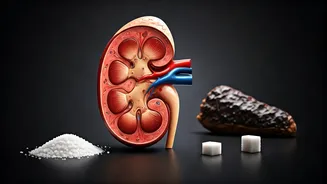
Salt is a major contributor to kidney strain, often hidden in pickles, sauces, and restaurant meals. Excessive sodium intake elevates blood pressure, a primary
driver of kidney disease. Over years, this high sodium level can damage the delicate blood vessels within the kidneys. While adults should aim for under 5 grams of salt daily, many unknowingly consume nearly double, often from processed items like store-bought soups, breakfast cereals, and even packaged bread, which can contain surprisingly high sodium levels. The true danger often lies not in the salt shaker but within the packaging itself, making it crucial to be aware of hidden sodium in everyday convenience foods.
Packaged Food Peril
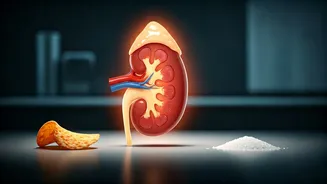
The convenience of packaged foods like chips, instant noodles, and frozen meals comes at a cost to your kidneys. These products are laden with high amounts of sodium and preservatives, which can cause long-term damage. Beyond just salt, their extended shelf life is achieved through additives such as preservatives, phosphates, and flavor enhancers. In combination with excess sodium, these ingredients significantly increase blood pressure and force the kidneys to work overtime. Research consistently links high sodium intake from these sources to kidney stress and hypertension, with a single serving of chips or frozen food potentially containing close to half of the daily recommended sodium limit.
The Protein Overload
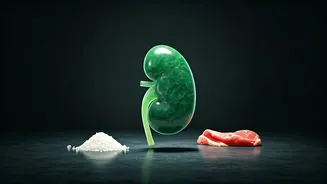
While protein is vital for bodily functions, the current trend of extreme protein intake can be detrimental to kidney health. The notion that 'more protein equals better health' is a misconception. Red and processed meats, such as sausages and bacon, are high in protein and saturated fats, which can overburden the kidneys. Excessive protein breakdown generates nitrogenous waste products that kidneys must filter. For individuals with existing conditions like diabetes, high blood pressure, or compromised kidney function, this constant filtration can pose significant risks. Balanced protein consumption, rather than excessive loading, is key to supporting kidney wellness.
Sugary Drink Dangers
Sugary beverages, including soft drinks, pose a substantial threat to kidney health, contributing to obesity and diabetes – major risk factors for kidney disease. Regular consumption of these drinks can lead to insulin resistance, weight gain, and inflammation. Furthermore, dark-colored sodas often contain added phosphorus, which can be harmful to kidneys over time. Studies have indicated a link between sugar-sweetened beverages and an increased risk of kidney damage, particularly for those susceptible to metabolic disorders. The habit of consuming sweetened drinks daily as a primary source of hydration strains the kidneys, which are not designed to handle constant sugar overload.
Fast Food Fallout
Fast food and deep-fried meals have a significant negative impact on kidney function and overall health due to their high fat, salt, and calorie content. These meals are typically nutrient-poor and contribute to obesity, diabetes, and hypertension, all of which are major drivers of kidney disease. The combination of high sodium, trans fats, refined carbohydrates, and sugar in fast food places immense stress on the kidneys. This can lead to water retention and further strain. When fast food becomes a regular part of the diet, even resilient kidneys can eventually show signs of exhaustion.
Oxalate Stone Triggers
Certain nutrient-rich foods, while generally healthy, can contribute to kidney stone formation in susceptible individuals. Foods high in oxalates, such as spinach, beetroot, chocolate, and nuts, are particularly concerning for those prone to calcium oxalate stones. While oxalates are naturally occurring and harmless for most, excessive intake can be problematic for specific individuals. Blindly following internet 'superfood' trends, like consuming daily spinach smoothies, might inadvertently harm those with a history of kidney stones, highlighting the importance of personalized nutrition over viral diet fads.
Processed Meat Pitfalls
Processed meats like bacon, sausages, and salami are convenient but pose multiple risks to kidney health. They are typically high in sodium, preservatives, saturated fats, and chemical additives, all of which can strain kidney function. Many also contain phosphate additives, which weakened kidneys struggle to filter effectively. The concern is amplified as these items are increasingly consumed as part of 'healthy' fitness meals, such as protein-rich sandwiches or snacks. Despite their protein content, the high sodium and additives remain a significant burden for the kidneys.