






A Desert Transformed
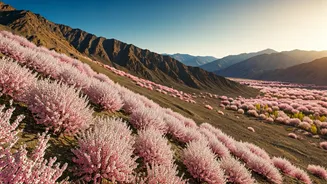
Ladakh, often perceived as a harsh, unyielding high-altitude desert, reveals a softer side during its brief spring bloom. Arriving in April, the landscape,
usually defined by its stark, vast mountainscapes, is unexpectedly adorned with delicate pink and white apricot blossoms. This visual transformation lends an uncharacteristic gentleness to the terrain, marking spring not as a prolonged season but as a fleeting, precious window of time. This ephemeral beauty, lasting only about three weeks before yielding to the fruit, is a quiet phenomenon that the entire valley seems to acknowledge and appreciate, a stark contrast to its more commonly known ruggedness.
Leh's Gentle Pace
Upon arrival in Leh, the initial days are dedicated to acclimatizing to the high altitude, a process facilitated by the unhurried rhythm of life at accommodations like The Grand Dragon. The itinerary allows for a comfortable pace, balancing cultural immersion with rest. Visits to ancient sites like the Hemis monastery, one of Ladakh's oldest, and serene picnics by the riverside offer moments of peace and allow the body to adjust. Evenings are often spent gathered around a bonfire, where the subtle arrival of the season is hinted at by the presentation of apricot halwa, a sweet treat that signifies the burgeoning apricot harvest and the changing times.
Journey to Turtuk
Departing Leh, the journey north towards Turtuk offers a gradual ascent, with the landscape shifting from the valley's characteristic ochre hues to a pristine white as the altitude increases. The passage over Khardung La, though gradual, leads to snow-dusted peaks before revealing the expansive, sometimes sandy terrain of the Nubra Valley. Upon reaching Turtuk, the apricot blossoms have begun to appear, mirroring the blossoming beauty encountered earlier. This village, situated at the very edge of India and part of the country only since 1971, retains a unique cultural essence, subtly influencing its music, dance, and the nostalgic conversations of its residents.
Turtuk's Culinary Roots
In Turtuk, the experience at Virsa Baltistan provides a contrast to Leh's more tourist-centric atmosphere. Here, the local cuisine is deeply intertwined with both memory and the land itself. Staples like barley and buckwheat form the foundation of most meals, complemented by locally sourced herbs and seasonal ingredients. Apricots are enjoyed in simple, rustic preparations such as preserved forms or softened after soaking. The bounty of the orchards is preserved for the colder months through dried fruits, kernels, and oils. The Balti community's engagement with the apricot bloom is marked by a celebration featuring the traditional talwar or sword dance, a performance rooted in local folklore that celebrates joy and expression.
Nubra Valley's Festival
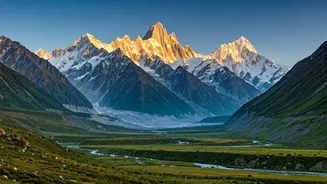
The journey continues to the Lchang Nang Retreat in Tegar village, nestled in the dramatic Nubra Valley where the Karakoram, Saltoro Range, and Himalayas converge. Here, the apricot blossom festival, known locally as Chuli Mendok, signifies the valley's reawakening after winter. This event brings together surrounding communities in a vibrant square, set against a backdrop of snow-capped peaks. The festival commences with a rhythmic drumming performance, followed by women adorned in traditional peraks, elaborate headdresses studded with turquoise. Local stalls offer an array of treats, including roasted barley, dried apricots, butter tea, and seabuckthorn juice, showcasing the region's produce and culinary traditions.
Life's Abundance
Beyond the festivals, the essence of Ladakhi life is found in simpler moments and a profound connection to the land. A conversation with a lifelong resident reveals a perspective on abundance that transcends material wealth, defining it as having enough food, clean water, fresh air, scenic mountain views, open land, and cherished community. This philosophy resonates deeply, especially when contrasted with the constant striving and perceived lack in urban environments. Experiences like sharing a meal in a local apricot orchard, where the act is welcomed rather than forbidden, highlight this sense of belonging and sufficiency. It's in these moments, surrounded by the blooming trees, that the true richness of Ladakh's high desert is most profoundly felt.