






Rethinking Weight Loss
The conventional wisdom for shedding pounds often revolves around drastic calorie reduction, a strategy that may not yield sustainable results for everyone.
Individual metabolic rates, hormonal balances, and how our bodies process food play a significant role, sometimes even more than simply eating less. In fact, overly restrictive eating plans can sometimes backfire, making long-term fat reduction a more challenging endeavor. A more balanced and nourishing approach, prioritizing quality over severe limitation, is often the key to success. This shift in perspective moves away from punishment and towards an optimized strategy for physical well-being.
Protein: The Body's Ally
Protein stands out as a cornerstone of effective fat loss, far beyond mere satiety. The recommendation from fitness experts is to aim for a daily intake of approximately 0.7 to 1 gram of protein per pound of body weight. A remarkable aspect of protein is its thermic effect; your body expends roughly 30% of its calories simply by digesting it. This metabolic boost not only aids in fat reduction but critically protects your valuable lean muscle mass during the process. Many individuals inadvertently consume significantly less protein than their bodies require, missing out on these substantial benefits and potentially hindering their fat loss goals.
Metabolism and Eating
When your body perceives a severe lack of calories, it interprets this as a starvation signal, triggering elevated cortisol levels. This hormonal response prompts your system to conserve energy by storing fat more aggressively, counteracting your weight loss efforts. Instead of extreme cuts, a more sustainable approach involves a moderate calorie deficit, typically around 300-400 calories per day. This balanced deficit allows your metabolism to function optimally, preventing the drastic slowdown associated with severe restriction and promoting consistent, manageable fat loss over time.
Muscle: Fueling Fat Loss
Cultivating muscle mass is a powerful strategy for enhancing your body's fat-burning capabilities, even during periods of rest. The more lean muscle you possess, the higher your resting metabolic rate becomes, meaning you naturally burn more calories throughout the day. Building muscle requires adequate nourishment and targeted training. Conversely, extreme calorie restriction can lead to the breakdown of muscle tissue, resulting in a slower metabolism and increased fat storage, which is precisely the opposite of what one aims for in fat loss.
Hormonal Balance Matters
Maintaining hormonal equilibrium is crucial for effective fat loss, especially as we age. Chronic undereating can lead to persistently elevated cortisol levels, a stress hormone that signals the body to store excess fat, particularly around the abdomen. Furthermore, insufficient calorie intake can suppress leptin, a vital hormone responsible for signaling feelings of fullness. This suppression results in persistent hunger, often leading to uncontrolled eating episodes and undermining fat loss progress. Ensuring adequate nutrition supports a healthier hormonal environment conducive to sustainable fat reduction.
Optimal Food Choices
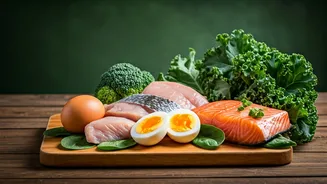
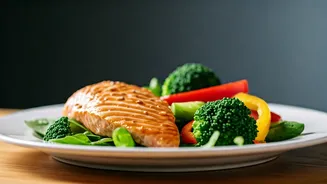
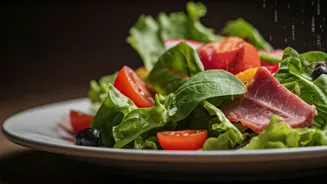
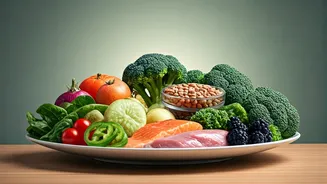
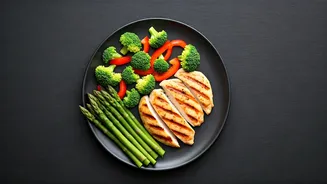
To effectively reduce body fat and support your fitness goals, prioritizing certain food groups is essential. Focus on incorporating lean protein sources such as chicken, fish, eggs, and Greek yogurt, which are vital for muscle maintenance and satiety. Complement these with a generous intake of vegetables; they provide substantial volume and essential nutrients with minimal calories, helping you feel full. Strategic consumption of complex carbohydrates around your training sessions can fuel performance, while healthy fats should be included in controlled portions to support overall health and hormonal function.