



The Heart of Langarwali Dal
Langarwali Dal transcends being merely a meal; it's an embodiment of affection and meticulous preparation. This humble yet profoundly satisfying dish draws
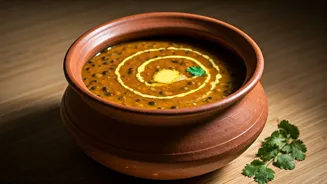
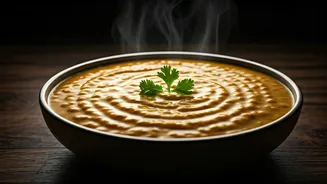
its character from the slow simmering of black gram and Bengal gram, resulting in a luxurious, creamy consistency without the need for added cream or complex spices. Chef Sanjeev Kapoor emphasizes that its true essence lies in patience and the beauty of uncomplicated ingredients. It serves as a heartfelt reminder that food prepared with genuine care and devotion offers the most profound nourishment and fulfillment, pairing exquisitely with simple rotis or fluffy rice.
Ingredient Foundation
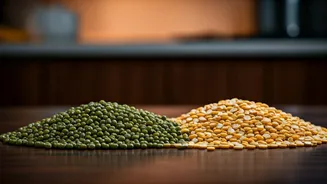
To begin this culinary journey, you will need 1 1/2 cups of whole black gram (sabut urad) and 1/2 cup of Bengal gram (chana). Essential spices include 1 1/4 teaspoons of turmeric powder and 2 1/2 teaspoons of red chilli powder, with salt adjusted to your personal preference. For the flavour base, gather 2 medium onions, 2-3 green chillies, 6-8 garlic cloves, and a 1-inch piece of ginger. The tempering requires 2 tablespoons of ghee, 1 1/2 teaspoons of cumin seeds, 2 medium tomatoes, 1 1/2 teaspoons of coriander powder, and 1 1/2 teaspoons of garam masala powder. Finally, a garnish of 2 tablespoons of freshly chopped coriander leaves will add a burst of freshness.
Preparing the Lentils
The initial step involves meticulously washing the whole black gram and Bengal gram separately, ensuring they are thoroughly rinsed at least 2-3 times. Following this, both varieties of lentils should be soaked together in an ample amount of water for a duration of 6 to 8 hours, allowing them to soften. Once the soaking period concludes, rinse the grams once more before transferring them to a pressure cooker. Add water, along with 1/2 teaspoon of turmeric powder, 1 teaspoon of red chilli powder, and salt. Pressure cook for approximately 4 to 6 whistles until the lentils are tender and cooked through.
Building the Masala
While the lentils are cooking, prepare the aromatics. Thinly slice the onions. In a mortar and pestle, crush the green chillies, garlic cloves, and the piece of ginger into a coarse paste. Next, heat 2 tablespoons of ghee in a deep, heavy-bottomed pan over medium heat. Add the cumin seeds and let them sizzle and change colour slightly before proceeding. Introduce the sliced onions to the hot ghee and sauté them, stirring occasionally, until they turn a beautiful golden brown. This caramelization of the onions is crucial for developing the dal's depth of flavour.
Infusing Flavours
Once the onions are golden, add the crushed green chilli, garlic, and ginger paste to the pan. Sauté this mixture for about a minute, or until the raw aroma of the spices subsipates. Next, incorporate the chopped tomatoes into the pan and mix well, allowing them to soften. Following this, introduce the remaining turmeric powder, red chilli powder, coriander powder, and garam masala powder. Stir everything together and continue to sauté on low heat for 2 to 3 minutes, ensuring the spices are well-cooked and their flavours have melded beautifully with the onion-tomato base.
Finishing Touches
After the masala has been sautéed, add a bit of water to the pan, mix thoroughly, and let it cook for another 1 to 2 minutes. Now, incorporate the pressure-cooked dal into the masala. Adjust the salt as needed to achieve the perfect taste. Using a wooden churner or the back of a spoon, gently mash some of the grams against the side of the pan. This action helps to create the desired creamy consistency. Allow the dal to simmer for about 5 minutes, allowing the flavours to deepen further and the texture to thicken. Finally, stir in the fresh chopped coriander leaves, mix gently, and remove the pan from the heat.
Serving Perfection
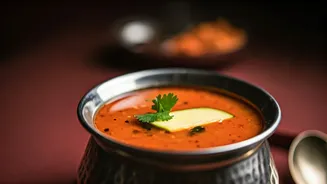
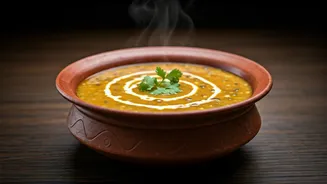
To serve this exquisite Langarwali Dal, ladle generous portions into serving bowls. For the authentic experience, as recommended by Chef Sanjeev Kapoor, add a final drizzle of ghee on top of each serving. This not only enhances the aroma and visual appeal but also adds a final layer of richness that is characteristic of this beloved dish. Serve piping hot alongside freshly made rotis or steamed basmati rice for a truly comforting and satisfying meal that embodies the spirit of traditional Indian home cooking.