



Matte Lipstick Unveiled
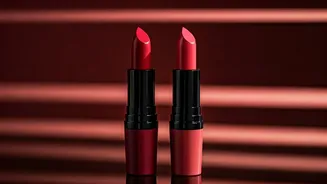
Matte lipsticks are celebrated for their sophisticated finish, lacking any shimmer or gloss. They offer a velvety, opaque appearance that can elevate any look.
Traditionally, matte lipsticks come in a bullet form, composed of waxes, oils, pigments, and emollients. This composition lends them a creamy texture during application, though they tend to dry down to a flat, non-reflective finish. The absence of shine is a key characteristic that many appreciate, as it provides a polished, elegant aesthetic. Matte lipsticks have evolved with varying formulations, some containing hydrating elements to counteract the drying effect, ensuring a comfortable wear without compromising their iconic matte appearance. The longevity of matte lipsticks often outshines other formulas, making them a preferred choice for long days or special occasions where touch-ups need to be minimized. The classic appeal of matte lipsticks persists due to their enduring elegance and versatility across diverse makeup styles and skin tones, cementing their status as a makeup staple.
Liquid Lipstick Defined
Liquid lipsticks, a more recent phenomenon, are distinguished by their fluid consistency, often delivered via a doe-foot applicator. Their formulas are a blend of pigments, polymers, and solvents that contribute to their unique properties. These lipsticks typically dry down to a matte or satin finish, with some offering a glossy effect, giving the wearer versatility in finish. The application process is generally precise, allowing for defined lip lines and full coverage with a single swipe. Liquid lipsticks are known for their high pigment concentration, which results in intense color payoff and coverage. They often boast impressive staying power, resisting fading throughout the day. However, their tendency to dry the lips out can be a concern for some, prompting the development of hydrating formulas to enhance comfort. The wide range of shades and finishes, from velvety mattes to luminous satins, has cemented liquid lipsticks as a modern makeup must-have, appealing to diverse style preferences.
Application Techniques Demystified
Perfecting the application of matte and liquid lipsticks requires attention to detail. For matte lipsticks, prepping the lips is paramount. Exfoliating to remove dead skin cells and applying a lip balm creates a smooth base, preventing unevenness and maximizing color adhesion. Using a lip liner to define the lip shape and prevent feathering is often recommended. Application is usually done directly from the bullet, following the natural lip line, or with a lip brush for greater precision. With liquid lipsticks, accurate application is key. Starting with clean, exfoliated lips is equally important to avoid patchy coverage. A lip liner can also be used to outline the lips, acting as a guide and preventing bleeding. The doe-foot applicator allows for precise application, and it is best to apply thin, even layers. To enhance the staying power and overall look of both formulas, blotting the lips after application can help, setting the color and reducing transfer, which keeps the lips looking their best for extended periods.
Longevity and Wearability
Longevity and wearability are key factors when choosing a lipstick formula. Matte lipsticks generally excel in this area, offering long-lasting color that resists fading, making them excellent choices for busy days or events. However, due to their formula, they may dry the lips out, which can become uncomfortable over time. Liquid lipsticks, particularly matte versions, are also celebrated for their staying power, often promising all-day wear without significant touch-ups. Some liquid lipstick formulas might transfer slightly or fade throughout the day, especially after eating or drinking. Choosing long-wearing lipsticks requires balancing the desired staying power with the comfort and hydration levels. To extend the wear of both formulas, applying a lip primer before the lipstick can create a smoother base for better adhesion. Blotting the lipstick after application helps set the color and reduces transfer, contributing to a longer-lasting effect.
Skin Type Considerations
The ideal lipstick formula often depends on the individual's skin type. For those with dry lips, matte lipsticks might exacerbate dryness, leading to discomfort and an uneven look. In this case, opting for hydrating matte formulations or liquid lipsticks with moisturizing properties might be preferable. Regular lip care, including exfoliation and the use of lip balms, can alleviate dryness and improve the overall experience. Individuals with oily skin might find that matte lipsticks, which are naturally less prone to smudging, stay put better compared to glossier options. Liquid lipsticks can be a good alternative, particularly those with a matte finish. Understanding your skin type and its specific needs helps in making a suitable choice. Experimenting with different formulas and prepping the lips with moisturizers or primers before application allows you to tailor your lipstick experience to enhance comfort and visual appeal, irrespective of your skin type.