






Thyroid: An Overview
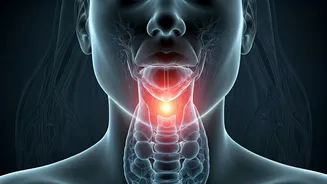
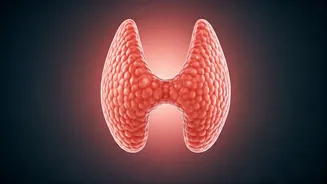
The thyroid gland, a small butterfly-shaped organ located in the neck, plays a pivotal role in maintaining overall health. Its primary function is to produce
hormones, chiefly thyroxine (T4) and triiodothyronine (T3), that regulate metabolism – the process by which the body converts food into energy. This process affects various bodily functions, including heart rate, body temperature, and even how quickly you burn calories. When the thyroid functions normally, these hormones are released in the precise quantities needed to keep the body operating efficiently. However, when the thyroid malfunctions, it can lead to a range of health issues, the severity of which depends on whether the gland is overactive (hyperthyroidism) or underactive (hypothyroidism). Recognizing these issues early is crucial to prevent serious complications.
Common Thyroid Symptoms
Recognizing the signs of thyroid dysfunction is essential for early diagnosis and treatment. Symptoms can vary, often subtle, making them easy to overlook. Hypothyroidism, or an underactive thyroid, frequently manifests as fatigue, weight gain, increased sensitivity to cold, constipation, dry skin, and thinning hair. Women might experience irregular menstrual cycles. Conversely, hyperthyroidism, or an overactive thyroid, can present with weight loss, rapid heartbeat, anxiety, tremors, and increased sweating. Some people may also notice a swelling in the neck (goiter), which can be an indication of thyroid nodules. Other symptoms such as muscle weakness and changes in mood are also common. Paying close attention to your body and consulting a healthcare professional is crucial if you experience several of these symptoms.
Risks of Untreated Issues
Leaving thyroid problems untreated can lead to significant health complications. For instance, untreated hypothyroidism can escalate cholesterol levels, raising the risk of heart disease and stroke. It can also cause severe fatigue, depression, and memory problems, impacting quality of life. Furthermore, during pregnancy, untreated hypothyroidism can affect the baby's brain development. Untreated hyperthyroidism, on the other hand, can lead to atrial fibrillation, a type of irregular heartbeat that increases the risk of stroke, and can also contribute to heart failure. In extreme cases, hyperthyroidism can cause a life-threatening condition known as thyroid storm. Therefore, regular check-ups, especially for those with a family history of thyroid disease or those experiencing symptoms, are crucial for early intervention and effective management.
Preventive Strategies
While not all thyroid diseases are preventable, certain lifestyle choices can support thyroid health. A balanced diet rich in iodine, a vital nutrient for thyroid hormone production, is crucial. Foods like seafood, dairy products, and iodized salt can help ensure adequate iodine intake. However, excessive iodine consumption can be detrimental, and a healthcare professional's guidance is recommended. Maintaining a healthy weight through regular exercise is also vital, as obesity can worsen thyroid function. Managing stress levels is essential, as chronic stress can affect hormone balance. Adequate sleep, regular exercise, and stress-reduction techniques like meditation can be beneficial. Regular health check-ups, especially for those with a family history of thyroid problems, can help detect issues early, enabling timely intervention and preventing potential complications.
Seeking Medical Advice
Consulting a healthcare provider is paramount if you suspect you have thyroid issues. A thorough medical evaluation includes a physical examination and blood tests to measure thyroid hormone levels, such as TSH (thyroid-stimulating hormone), T4, and T3. Further tests, like thyroid antibody tests and imaging scans, may be ordered to diagnose the underlying cause of thyroid dysfunction. Treatment varies based on the specific condition. Hypothyroidism is commonly treated with synthetic thyroid hormone replacement medication, while hyperthyroidism may require anti-thyroid medications, radioactive iodine therapy, or, in some cases, surgery. Following your doctor's instructions meticulously, attending all follow-up appointments, and regularly monitoring your thyroid hormone levels are crucial to manage the condition effectively. Early detection and adherence to treatment plans can prevent severe complications and enhance your overall well-being.