


Education's New Horizon
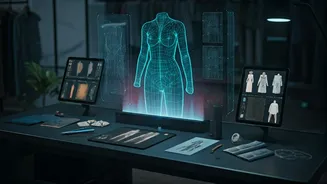
The educational terrain in fashion has shifted substantially. Traditional curricula have been updated to include advanced technologies such as virtual
reality (VR) and augmented reality (AR) used in design and marketing. Sustainability is no longer a niche topic; it is an integrated aspect of every course, from sourcing materials to waste reduction strategies. Moreover, the emphasis on data analytics is increasing, with courses dedicated to understanding consumer behavior and market trends. Institutions now offer specialized programs, concentrating on areas like circular fashion and ethical sourcing. Collaboration with industry experts through workshops, internships, and mentorship programs provides students with practical exposure, ensuring graduates are well-prepared for real-world challenges. The curriculum also now encourages interdisciplinary approaches, merging fashion with technology, business, and even environmental science, reflecting the industry's evolving needs. This shift promotes a more holistic understanding of the fashion landscape, enabling students to become well-rounded professionals. Finally, the ability to adapt and be a lifelong learner is emphasized, which is a vital skill in a constantly changing industry.
Career Paths Evolve
Career options within the fashion industry have diversified significantly by 2025. The conventional roles of designer and stylist remain, but digital opportunities have flourished. Social media managers specializing in fashion marketing, content creators focusing on sustainable practices, and e-commerce specialists are in high demand. Tech-savvy professionals adept at using artificial intelligence (AI) to enhance design processes and personalize customer experiences are also sought-after. The growth in the ethical and sustainable fashion sectors has created roles for supply chain managers focusing on traceability and fair labor practices. Moreover, the demand for specialists in circular fashion, who focus on recycling and reusing materials, is rising. Entrepreneurial ventures, particularly in the realm of direct-to-consumer (DTC) brands, are becoming prominent, creating opportunities for those with a strong business acumen. Freelance and contract work have also gained popularity, offering flexibility and diverse experiences. This shift indicates the industry’s need for adaptable, forward-thinking professionals who can embrace technological advancements and navigate a rapidly evolving market.
Leadership in Fashion
Leadership in the fashion industry by 2025 has transitioned to a more inclusive and ethically conscious model. Leaders now prioritize sustainability and social responsibility, integrating these principles into their business strategies. They also champion diversity and inclusion, ensuring that their teams and brands reflect a wide range of backgrounds and perspectives. Data-driven decision-making is essential, with leaders utilizing analytics to understand consumer behavior and market trends. Furthermore, adaptability is a crucial skill, as leaders must navigate rapid technological changes and evolving consumer preferences. Strong communication and collaboration skills are vital, fostering teamwork and partnerships across the value chain. There is also an increased focus on transparency, with brands being held accountable for their practices. Moreover, leaders champion innovation, embracing new technologies and business models to stay ahead. Ethical leadership involves maintaining integrity, building trust, and creating a positive impact on both the environment and society. These leaders serve as advocates for change, driving the industry towards a more sustainable and equitable future.