



Creative Storytelling & Writing
Encourage your child's imagination to flourish by engaging them in storytelling and creative writing. This practice sharpens language skills, bolsters
vocabulary, and develops narrative coherence. Provide prompts like 'What if animals could talk?' or 'Imagine a journey to a new planet,' and let their minds wander. Encourage them to write down their tales, draw pictures to accompany them, or even act them out. This not only enhances their ability to express ideas but also improves their understanding of plot, character development, and sequencing. Regularly reviewing their work and offering constructive feedback can further motivate them. Consider creating a 'family story journal' where each member contributes to a shared narrative, fostering collaborative creativity and a love for language.
Problem-Solving Puzzles & Games
Introduce a variety of puzzles and strategy games to cultivate your child's analytical and problem-solving abilities. Activities like jigsaw puzzles, Sudoku, crosswords, and logic grid puzzles challenge them to think critically, identify patterns, and develop systematic approaches. Board games that require strategic thinking, such as chess, checkers, or even cooperative games where players work together to achieve a common goal, are excellent for honing decision-making skills. The process of trial and error, learning from mistakes, and devising new strategies are integral to mastering these challenges. These games teach patience, resilience, and the satisfaction of overcoming obstacles, skills that are invaluable in academic pursuits and life in general. Start with simpler puzzles and gradually increase the complexity as their confidence grows.
Exploring Nature & Science
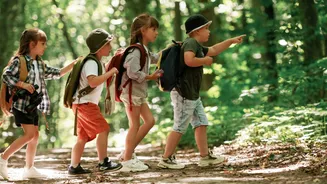
Foster curiosity and a scientific mindset by encouraging exploration of the natural world. Simple outdoor activities like nature walks, bug hunts, or observing cloud formations can spark a sense of wonder. Set up basic science experiments at home using everyday materials, such as building a volcano, exploring buoyancy with different objects, or growing seeds. These hands-on experiences allow children to learn about cause and effect, basic scientific principles, and the importance of observation. Documenting their findings through drawings or simple notes can further enhance their learning. Visiting local parks, botanical gardens, or science museums also provides enriching environments for discovery and can ignite a lifelong interest in science and environmental stewardship.
Learning a New Skill
The summer break is an ideal time for children to pick up a new skill, which can significantly boost their cognitive flexibility and confidence. This could range from learning a musical instrument, coding, a new language, or even a practical skill like cooking or gardening. The process of acquiring a new skill involves memorization, pattern recognition, and consistent practice, all of which strengthen neural pathways. For instance, learning to play an instrument enhances auditory processing and fine motor skills, while coding develops logical reasoning and problem-solving. The commitment required to master a new skill teaches discipline, perseverance, and the reward of dedicated effort, contributing to a strong work ethic and a sense of accomplishment that extends beyond the skill itself.
Building & Constructing
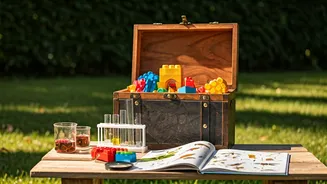
Engage your child in activities that involve building and construction, such as using LEGOs, blocks, or even simple DIY projects. These activities are fantastic for developing spatial reasoning, fine motor skills, and problem-solving abilities. Children learn to plan, visualize outcomes, and overcome structural challenges as they bring their creations to life. They also develop an understanding of basic engineering principles and how different components fit together. Encourage them to design their own structures, follow instructions for complex models, or even dismantle and rebuild existing toys. This type of play fosters creativity and allows them to experiment with different designs and materials, understanding the relationship between form and function.
Artistic Expression & Creativity
Provide ample opportunities for artistic expression through drawing, painting, sculpting, or crafting. These activities are not only enjoyable but also crucial for developing creativity, fine motor skills, and emotional expression. Children learn to translate their thoughts and feelings into visual forms, experiment with colors and textures, and develop their unique artistic voice. The process of creating art encourages them to think outside the box, find innovative solutions to visual problems, and build confidence in their ability to express themselves. Setting up an art corner with various supplies and encouraging them to explore different mediums can make this a regular, rewarding part of their summer. Visiting art galleries or museums can also provide inspiration.
Reading & Literacy
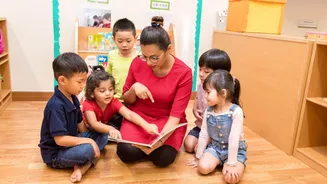
Cultivate a love for reading by encouraging consistent engagement with books. Reading is fundamental for expanding vocabulary, improving comprehension, and developing critical thinking. Ensure a diverse selection of books, from fiction and non-fiction to comics and magazines, to cater to different interests. Encourage them to read aloud, discuss plots and characters, and even write reviews of the books they've enjoyed. This active engagement with text not only enhances literacy skills but also broadens their general knowledge and empathy by exposing them to different perspectives and worlds. Setting a daily reading goal, visiting the library regularly, and creating a cozy reading nook can make this a cherished summer habit.
Critical Thinking Exercises
Incorporate activities that specifically target critical thinking, such as debates, analyzing scenarios, or creating timelines. Encourage your child to question information, evaluate evidence, and form logical conclusions. For instance, present them with simple ethical dilemmas and ask them to explain their reasoning, or have them research a topic and then present their findings, defending their viewpoint. This type of exercise helps them develop analytical skills, recognize biases, and understand the importance of evidence-based reasoning. Engaging in discussions about current events (age-appropriately) can also stimulate their thinking and help them form informed opinions. The goal is to equip them with the ability to think independently and make well-reasoned judgments.