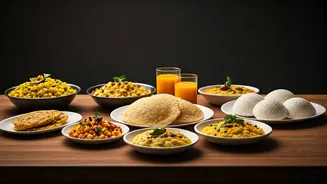







A Taste of Kerala
Actress Sudha Chandran recently shared her deep affection for South Indian cuisine, a preference so strong it has positively influenced her husband, Ravi
Dang, a Punjabi. Chandran humorously noted her husband's initial unfamiliarity with ingredients like coconut oil, a staple in her hometown, Thrissur, Kerala. She recounted his gradual embrace of dishes such as avial and the popular breakfast of Puttu Kadala, which he now thoroughly enjoys. While he has adapted to many flavors, a notable moment of adjustment occurred when he found puri fried in coconut oil a bit challenging. Despite this, he relishes other Kerala delicacies like appam, olan, and avial, showcasing how traditional spices and ingredients from Kerala, renowned for their nutritional benefits, can captivate even those new to them.
Coconut Oil Insights
Dt Amreen Sheikh, chief dietitian at KIMS Hospitals, Thane, shed light on the prevalent use of coconut oil in South Indian kitchens. She explained that coconut oil is rich in medium-chain triglycerides (MCTs), which the body processes differently, offering a quick energy source. However, Sheikh emphasized that coconut oil is a saturated fat, and its consumption should be approached with moderation. For most healthy individuals, small amounts used in traditional cooking are perfectly acceptable, especially when part of a diet rich in fiber, vegetables, lentils, and whole grains. The potential issues arise from excessive intake or when the overall dietary fat content is already high. This nuanced perspective highlights that the benefits are realized through balanced integration rather than unchecked usage.
Balanced South Indian Meals
A typical South Indian thali offers a remarkably balanced meal, often featuring items like idli or dosa paired with sambar, rasam, vegetable poriyal, curd, and rice. Sheikh pointed out that the fermentation in dishes like idli and dosa supports gut health, while lentils provide essential protein, and vegetables contribute vital fiber. The key to enjoying these meals healthily lies in paying attention to portion sizes and cooking methods. Deep-fried snacks, excessive consumption of refined white rice, and too much oil can shift the nutritional balance negatively. Therefore, the focus should be on preparation techniques and quantity consumed rather than demonizing the cuisine itself.
Weight and Heart Health
Regarding concerns about weight gain and heart health associated with coconut oil, Sheikh clarified that weight gain is primarily a result of consuming more calories than the body expends. Coconut oil, being calorie-dense, can contribute to increased calorie intake if used generously and frequently. For individuals with pre-existing high cholesterol levels or a family history of heart disease, exercising caution with coconut oil is advisable. Sheikh suggested rotating cooking oils, incorporating options like groundnut, sesame, or mustard oil, to ensure a diverse intake of healthy fats, which is beneficial for cardiovascular well-being.
Heritage and Fitness
Sheikh reassured individuals that there is no necessity to abandon their cultural food habits to maintain fitness. She asserted that diets deeply rooted in cultural traditions are often more sustainable in the long run. The advice is to focus on mindful portion control, enhance protein intake through dals and curd, incorporate a greater variety of vegetables into every meal, and reduce the consumption of fried side dishes. Ultimately, achieving good health does not necessitate forsaking one's heritage; rather, it involves cultivating balance and a heightened awareness of dietary choices.