






Ancient Natural Cleaners
Long before modern chemical cleaning agents became commonplace, communities across India skillfully harnessed the power of nature for their laundry needs.
They primarily relied on certain natural fruits and plant extracts known for their potent cleansing capabilities. Among the most revered were reetha, often called soap nut, and hingot, also recognized as the desert date. These gifts from nature are rich in plant compounds that, when combined with water, exhibit remarkable soap-like qualities. Their use not only offered an effective way to clean fabrics but also presented a highly eco-friendly alternative to synthetic detergents, fostering a sustainable way of living that is now seeing a resurgence in attention due to its environmental benefits. Remarkably, in certain rural areas of Madhya Pradesh and Uttar Pradesh, these traditional methods are still in practice, demonstrating a continued commitment to living a sustainable life free from chemical products and their associated environmental impact. These age-old practices are now gaining traction as viable solutions for promoting a healthier and more environmentally responsible lifestyle for everyone.
Reetha: The Soap Nut
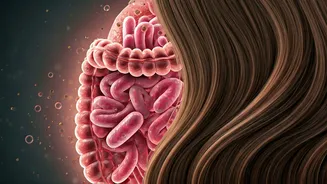
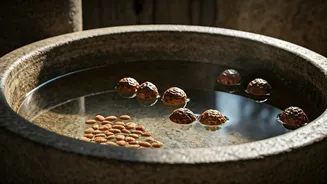
Reetha, widely known as the 'soap nut,' is the dried fruit derived from the *Sapindus Mukorossi* tree. The outer shell of this fruit is naturally endowed with saponins, which are essentially natural surfactants. These saponins are responsible for generating a rich foam when the fruit comes into contact with water. This foaming action effectively helps to lift and remove oil and dirt from surfaces, making it an excellent natural cleansing agent. Beyond its laundry applications, reetha holds a cherished place in traditional Indian households for hair care. Many women incorporate it into their weekly hair washing routine, believing it contributes to longer, stronger, and shinier locks. This dual utility highlights reetha's versatility and its deep integration into Indian cultural practices for both personal grooming and household chores, showcasing its enduring value.
Hingot: Desert Date
Hingot, also referred to as the desert date, originates from the arid landscapes of Rajasthan. In these dry regions, rural communities have long utilized the pulp and seeds of the hingot fruit as a natural washing and cleansing agent. Its unique composition allows it to effectively loosen stubborn dirt and oil from fabrics, providing a gentle yet thorough clean. This traditional use of hingot underscores the ingenuity of communities living in resource-scarce environments, where they developed effective solutions from readily available natural materials. Its application in laundry demonstrates a practical and sustainable approach to domestic tasks, harmonizing with the natural surroundings and minimizing the need for external or manufactured cleaning products. The desert date stands as a testament to the rich biodiversity and traditional knowledge present in India's drier regions.
Simple Reetha Usage
Incorporating reetha into your laundry routine is remarkably straightforward. Begin by gathering approximately 5 to 6 reetha pods. Place these pods into a small cotton or muslin bag, creating a natural laundry sachet. You can then add this bag directly into your washing machine along with your clothes, or simply submerge it in a bucket of water if handwashing. Proceed with your regular washing cycle as you normally would. A key advantage of this method is its reusability; the same reetha shells can be used effectively for at least 3 to 5 washes, further enhancing their cost-effectiveness and eco-friendliness. This approach minimizes waste and maximizes the natural cleaning potential of reetha, offering a sustainable alternative to conventional laundry detergents. It's a practical way to embrace traditional wisdom for modern-day convenience and environmental consciousness.
Liquid Detergent Method
For those who prefer a liquid detergent form, reetha can also be transformed into a potent natural cleaner. To prepare this, start by crushing about 8 to 10 reetha pods. Once crushed, place them in a pot with water and boil the mixture for approximately 15 minutes. This process helps to extract the saponins and other cleansing compounds from the reetha shells into the water. After boiling, strain the liquid to remove the solid residue, leaving you with a clear, natural detergent solution. This liquid can be stored in the refrigerator for future use, allowing you to prepare a batch in advance. From safeguarding the integrity of your fabrics to significantly reducing your environmental footprint, both hingot and reetha beautifully illustrate how ancestral knowledge provides effective, sustainable solutions, even in our rapidly evolving, modern world. These methods offer a conscious choice for a cleaner home and a healthier planet.