



Cultural Influences Emerge
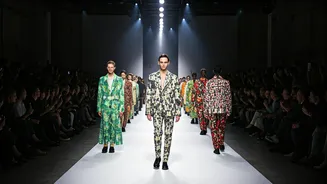
India's rich cultural tapestry provides an unending supply of inspiration for the fashion industry. Traditional attire is being reinterpreted, with designers
incorporating classic elements into modern silhouettes. Expect to see a fusion of vibrant colors, intricate embroidery, and time-honored techniques. The enduring legacy of regional craftsmanship is experiencing a revival, with textiles and techniques from various parts of India gaining global recognition. This trend celebrates India's diversity, fostering a sense of national pride and emphasizing the beauty of its artistic heritage. From festive wear to everyday fashion, cultural nuances will continue to shape design.
Sustainable Fashion's Rise
Sustainability is becoming increasingly important to Indian consumers, causing a surge in demand for eco-friendly fashion. Designers are adopting organic materials, implementing ethical production practices, and embracing slow fashion principles. The focus is on reducing waste, minimizing environmental impact, and supporting fair labor. Consumers are becoming more conscious of where their clothes come from and how they are made. This trend is driven by an awareness of environmental concerns and a desire to make a difference. As a result, sustainable fashion is no longer a niche, but a rapidly growing movement in the Indian fashion industry, encouraging a more mindful approach to style.
Technology and Innovation
Technology is reshaping various aspects of the Indian fashion industry. Digital platforms are enabling designers to reach wider audiences and market their products effectively. E-commerce is experiencing exponential growth, giving customers easy access to diverse styles and trends. Further, innovations in fabric technology are producing materials with enhanced performance and sustainability. 3D printing and virtual fashion are also gradually finding their place, offering unique design possibilities and personalized experiences. The convergence of technology and fashion is driving creativity, convenience, and a more interactive relationship between designers and consumers. This trend suggests a dynamic shift where fashion keeps evolving alongside the technological advancements.
Personalization and Individuality
In today's fashion landscape, expressing personal style is key. There's a growing inclination towards customization and individuality. Consumers want to create looks that reflect their personalities and preferences, moving beyond mainstream trends. Designers are responding by offering more options for personalization, including made-to-measure services, unique embellishments, and customizable designs. Accessories play a vital role, with individuals using them to express themselves. The focus is on quality over quantity. This shift indicates a desire for self-expression and an appreciation for individualistic fashion. Fashion is becoming less about conforming to trends and more about embracing one's unique identity.
Streetwear's Influence Grows
Streetwear continues to make a significant impact on Indian fashion. The influence of global streetwear trends is blending with local aesthetics, creating a distinctive style. Young consumers are increasingly drawn to streetwear's blend of comfort, functionality, and expressive designs. Brands are collaborating with artists and influencers to create limited-edition collections and generate buzz. Athleisure, the fusion of athletic and leisure wear, remains popular. This fusion of comfort and style is resonating with a wide demographic. Streetwear's influence on the mainstream fashion industry is continuing to grow, encouraging innovation and diversity.
Color and Fabric Trends
Looking ahead, the color palettes in Indian fashion are likely to be vibrant and diverse. Expect to see a combination of bright hues, earthy tones, and metallics, mirroring the country's varied landscape. In terms of fabrics, natural textiles such as cotton, linen, and silk remain very popular. Sustainable materials like organic cotton and recycled fabrics are gaining traction. Lightweight and breathable fabrics will be key, as designers cater to India's climate. The focus will be on quality, comfort, and versatility. The selection of colors and fabrics will reflect both cultural influences and contemporary design sensibilities, providing a fresh perspective on Indian fashion.