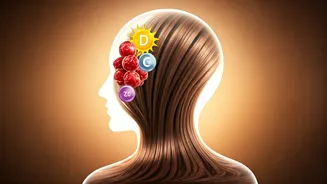




Protein: The Hair's Foundation
Your hair is fundamentally built from protein, specifically a type known as keratin. When your dietary intake of protein falls short, your body conserves
this essential building block for more critical bodily functions, relegating hair growth to a lower priority. This shift can accelerate the hair shedding cycle, leading to increased hair fall. Research, such as a study published in the Journal of Cosmetic Dermatology, indicates a direct correlation between inadequate protein consumption and hair thinning, particularly affecting individuals on restrictive diets. To ensure sufficient protein, aim to include protein sources like eggs, lentils, paneer, chicken, fish, tofu, or a handful of nuts in each meal, promoting consistent intake for optimal hair health.
Iron: Fueling Hair Follicles
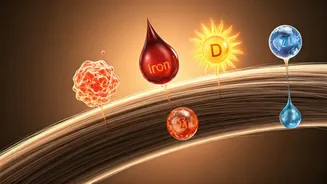
Iron deficiency, especially prevalent among women, significantly impacts hair health by impairing oxygen transport in the blood. Hair roots rely on adequate oxygen to remain robust, and a dip in iron levels weakens hair follicles, predisposing them to shedding. A notable study in the Journal of the American Academy of Dermatology highlighted a strong association between low iron, particularly ferritin levels, and increased hair shedding, often manifesting as telogen effluvium. Symptoms like persistent fatigue, dizziness, or pallor may accompany hair loss in cases of iron deficiency. To combat this, incorporate iron-rich foods such as spinach, beetroot, jaggery, dates, and lentils into your diet. Enhancing iron absorption can be achieved by pairing these foods with vitamin C sources like lemon juice.
Vitamin D: Beyond Bone Health
While often recognized for its role in bone strength, Vitamin D also plays a crucial part in maintaining healthy hair. Insufficient Vitamin D levels have been linked to various forms of hair loss, including the development of patchy baldness. A study featured in Dermatology and Therapy found that individuals experiencing hair loss often exhibited lower Vitamin D concentrations compared to those without hair issues. Many people are unaware of their deficiency, particularly those who spend extended periods indoors. To boost Vitamin D, regular, short sun exposure (15-20 minutes daily) is beneficial. Dietary sources include eggs, fortified milk, and fatty fish. Supplements may be considered under medical guidance if necessary.
Zinc: Essential for Hair Repair
Zinc, though often overlooked, is a vital mineral for hair repair and growth. It supports the health of hair follicles and ensures the proper functioning of the sebaceous glands associated with them. A deficiency in zinc can result in hair that is brittle, dry, and more susceptible to breakage and shedding. Research published in the Annals of Dermatology suggests a connection between lower zinc levels and hair loss, with improvements observed in some cases upon zinc level normalization. Furthermore, low zinc can contribute to a dry, flaky scalp, exacerbating hair concerns. Integrating zinc-rich foods such as pumpkin seeds, nuts, whole grains, dairy products, and legumes into your diet is recommended for maintaining adequate levels.
Biotin: Strengthening Hair Strands
Biotin, a B vitamin often lauded as a 'hair vitamin,' contributes to hair strength and resilience. Low biotin levels can lead to brittle hair that breaks easily and excessive shedding. While not extremely common, biotin deficiency can be a contributing factor to hair loss, especially in individuals with suboptimal diets or certain underlying health conditions, as noted in a review in Skin Appendage Disorders. However, many individuals obtain sufficient biotin through their regular diet, and supplements are not always necessary. Good dietary sources of biotin include egg yolks, nuts, seeds, bananas, and whole grains, emphasizing a food-first approach before considering supplementation.