






The Sneaky Snack Attack
Are you often found eyeing the vending machine shortly after finishing your midday meal, despite your best intentions to eat healthily? This common occurrence,
where the urge for something sweet or processed becomes overwhelming, isn't a sign of weak willpower. According to Dr. Saurabh Sethi, a renowned gastroenterologist with affiliations to Harvard and Stanford, the root cause of these persistent afternoon cravings is often overlooked. Many people experience this phenomenon, feeling a significant dip in focus and an intense desire for sugary treats to power through the remainder of the day, which can feel like a losing battle against your own dietary goals.
Breakfast's Hidden Role
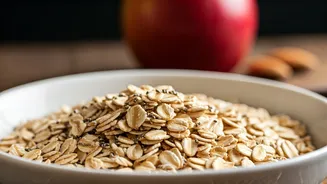
The key to understanding and combating those insistent afternoon snack urges lies in what you consume for your first meal of the day. Dr. Sethi highlights that a seemingly 'healthy' breakfast, when lacking in a crucial macronutrient, can inadvertently set the stage for later cravings. He shares an anecdote about a patient who, despite eating oatmeal with fruit for breakfast, found herself battling intense cravings for cookies and candy by mid-afternoon. The diagnosis? An absence of protein in her morning meal. This oversight demonstrates how a breakfast that appears nutritious on the surface can still trigger a cascade of blood sugar fluctuations that lead directly to those unwelcome cravings later in the day.
Carbs vs. Protein Power
When your breakfast is predominantly composed of carbohydrates, even complex ones like oatmeal, it leads to a rapid spike in blood sugar. Subsequently, this sugar level plummets a few hours later, creating a physiological 'crash.' This dramatic drop is precisely what signals your body to seek a quick energy source, manifesting as intense cravings for sweets and processed foods. A breakfast rich in carbs, therefore, can be counterproductive to maintaining stable energy and appetite throughout the day. Conversely, incorporating sufficient protein into your morning meal has been shown in multiple studies to have a significant positive impact on dietary choices and overall food consumption for the remainder of the day.
The Protein Advantage
Opting for a breakfast rich in protein offers a powerful strategy to prevent those unwelcome afternoon snacking episodes. Research and clinical observations suggest that individuals who prioritize protein in their morning meal experience several beneficial outcomes. They tend to consume less food overall throughout the day, naturally reducing their total caloric intake. Furthermore, the frequency and intensity of cravings for sugary and processed items are significantly diminished. This leads to making healthier food choices more effortlessly, as the overwhelming urge to reach for less nutritious options is greatly reduced, setting a more positive tone for eating habits.
Your Protein Target
To effectively combat post-lunch snack attacks, Dr. Sethi recommends aiming for a substantial protein intake at breakfast, specifically between 25 to 35 grams. This target can be easily met with various protein-rich foods. For instance, eggs are an excellent source, with one large egg providing approximately 6-7 grams of protein. Other fantastic options include Greek yogurt, lean meats like chicken or turkey, and plant-based choices such as chickpeas and beans. Consistently achieving this protein goal at breakfast acts as a cornerstone for managing appetite and reducing cravings throughout the entire day, leading to improved dietary control and sustained energy levels.