



The Invisible Ripening Agent
Fruits naturally release ethylene, a gas that acts as a potent signal for ripening. When fruits are stored in close proximity, this ethylene accumulates,
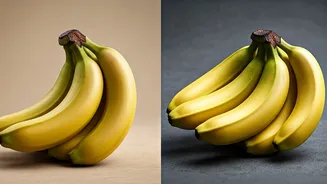
creating a localized environment that accelerates the ripening process for all surrounding produce. This biochemical reaction is autocatalytic, meaning that as one fruit ripens and emits ethylene, it triggers a chain reaction, prompting nearby fruits to produce even more ethylene. This creates a self-perpetuating cycle of rapid maturation. Climacteric fruits, such as bananas, apples, and avocados, are particularly high producers of ethylene. Upon release, this gas initiates changes within the fruit, including the breakdown of starches into sugars and the softening of cell walls, which are essential for development. However, when non-climacteric fruits, like strawberries or grapes, are exposed to high levels of ethylene, they don't necessarily ripen further but instead experience accelerated aging. This can manifest as browning of the skin, development of bitter flavors, and a weakened protective exterior, making them more susceptible to spoilage and damage.
Understanding Fruit Classifications
Biologists categorize fruits based on their ripening behaviors, primarily by their production and sensitivity to ethylene. Climacteric fruits, a group that includes popular items like bananas, apples, avocados, and tomatoes, are characterized by their significant ethylene output during the ripening phase. Once this ripening process begins, it's irreversible. The ethylene released by these fruits acts as a biological alarm, initiating a cascade of biochemical changes. Conversely, non-climacteric fruits, such as grapes, strawberries, and citrus fruits, do not undergo significant ripening after harvest. While they don't produce much ethylene themselves, they are highly sensitive to its presence. Exposure to ethylene from climacteric fruits can still negatively impact them, leading to premature aging, undesirable changes in texture and flavor, and reduced shelf life, even if they don't actually ripen further.
The Role of Ventilation
The way fruits manage gas exchange, including the release and absorption of ethylene, is heavily influenced by the permeability of their skin. Some fruits possess porous skins that allow for efficient outward diffusion of gases, while others, like tomatoes, have more complex mechanisms, with gas exchange predominantly occurring at the stem end. If this area is compromised or if the fruit is stored in a poorly ventilated space, ethylene can become trapped within the fruit, leading to premature softening of the pulp. Proper ventilation is therefore paramount. When ethylene-producing fruits are clustered together in deep bowls or confined spaces, they create a concentrated, pressurized ethylene zone. This lack of air circulation prevents the ethylene from dissipating and limits the influx of oxygen needed for healthy metabolic processes. Good ventilation helps to scatter these ethylene-rich areas, preventing a buildup and slowing down the ripening process for all fruits involved.
Effective Storage Strategies
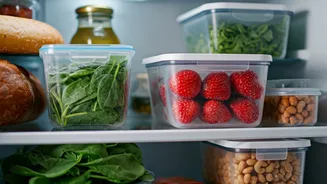
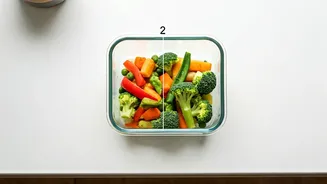
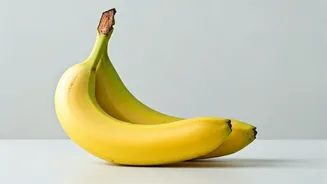
The most effective method for extending the life of your produce is the 'separation trick.' This involves strategically storing fruits that produce high levels of ethylene separately from those that are sensitive to it. For instance, hanging bananas individually and placing avocados in a single layer can make a significant difference. For fruits that are already ripe, refrigerating them is an excellent way to slow down their metabolic activity and reduce their ethylene production rate, thereby extending their shelf life. However, caution is advised for fruits like tomatoes and bananas, as chilling can sometimes lead to taste loss or other undesirable effects. Utilizing open, basket-like containers that promote air circulation is preferable to closed glass containers, as this allows ethylene to escape freely. By managing the storage environment and employing these simple separation techniques, you can significantly prolong the freshness of your fruits.