






The Stair Climbing Strain
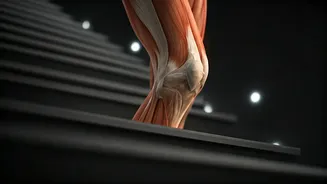
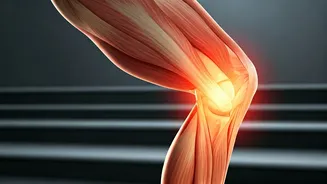
Climbing stairs imposes a significantly greater demand on your knee joints compared to navigating a level surface. This heightened stress is primarily
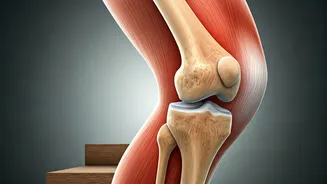
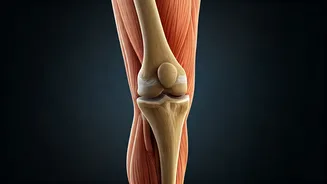
due to the deeper flexion required, which consequently increases the pressure exerted on the patellofemoral joint – the articulation between your kneecap and thigh bone. During walking on flat ground, this pressure is distributed differently and is generally less intense. Therefore, when you ascend or descend stairs, your kneecap bears a larger portion of your body's weight while being compressed against the femur. This amplification of force is a key reason why pain might manifest during this specific activity, even if your knees feel perfectly comfortable during less demanding movements like walking. This localized increase in pressure often points towards specific issues within the knee's complex structure.
Signs of Early Stress
Experiencing knee pain exclusively during stair navigation, while finding regular walking to be pain-free, can serve as an important early indicator rather than a mere coincidence. This distinct pattern frequently suggests nascent stress within the knee joint or conditions such as Patellofemoral Pain Syndrome (PFPS). In PFPS, the cartilage beneath the kneecap can become irritated or inflamed due to misalignment or excessive pressure. The increased load and specific angle of bending involved in stair climbing exacerbate this condition, making the discomfort palpable. Conversely, the comparatively lower stress experienced on flat surfaces means these underlying issues may not become apparent during everyday walking, leading to the perception that the knee is otherwise normal.
Common Culprits Identified
This specific type of discomfort, where knees protest only on stairs, is often attributed to several underlying conditions affecting the kneecap and its supporting structures. Patellofemoral Pain Syndrome is a frequent offender, characterized by pain around or behind the kneecap. Early-stage osteoarthritis, a degenerative joint disease, can also manifest in this manner, with cartilage wear becoming more noticeable under increased load. Additionally, general cartilage wear beneath the kneecap can contribute to the achiness. Factors such as weakened quadriceps muscles, which play a crucial role in stabilizing the kneecap, or improper alignment of the knee and leg can further exacerbate these issues, leading to the characteristic pain experienced during stair ascent and descent.
Strategies for Relief
Fortunately, alleviating stair-related knee pain often involves a combination of targeted exercises and mindful movement adjustments. Strengthening the quadriceps muscles is paramount, as these muscles provide essential support and control for the kneecap. Maintaining a healthy body weight is also critical, as excess weight significantly increases the load on your knee joints. Furthermore, adopting a proper stair-climbing technique can make a substantial difference. This includes taking slow, deliberate steps, ensuring each foot lands securely on a step, and utilizing handrails for support when possible. These simple yet consistent modifications can effectively reduce the strain on your knees and improve overall comfort during this common daily activity.