


Celebrity Style Influence
Celebrities often serve as trendsetters, their style choices rapidly influencing the fashion landscape. From red-carpet events to everyday street style,
what they wear often becomes highly sought after. Their choices can spark new trends, revive older styles, or even redefine fashion norms. Fashion houses and designers closely watch these celebrity endorsements and public appearances, aiming to align their collections with popular styles. Social media platforms amplify this influence, allowing fans to analyze and emulate celebrity looks in real-time. This close connection between celebrities and fashion ensures a dynamic and ever-evolving relationship, as style choices filter down to the general public.
Decoding Fashion Trends
Fashion trends are cyclical, with past styles often making a comeback in modern interpretations. Understanding these trends requires recognizing key elements like silhouettes, colors, and fabrics. Designers use these to create cohesive collections and set the tone for the season. To stay informed, follow fashion weeks, industry publications, and style influencers. Look for recurring themes and what designers are showcasing. Trends often start with high-fashion collections and then trickle down to high-street brands, making the looks accessible to more people. By staying updated, fashion enthusiasts can better understand the current fashion landscape and create wardrobes reflecting their personal style while staying modern.
Fashion Events and Shows
Fashion weeks, held in major cities like Paris, Milan, New York, and London, are pivotal for setting future fashion trends. These events showcase collections from leading designers, providing a glimpse into upcoming seasons' styles. Attendees include fashion editors, buyers, celebrities, and influencers. Shows are carefully planned productions, each telling a story through clothing, styling, music, and set design. The collections shown heavily influence trends in retail, influencing the pieces you find in stores. Attending a fashion week can shape one's understanding of the creative and business aspects of the fashion industry, offering unparalleled insight into how trends are created and how they evolve.
Personal Style Expression
Fashion can be an effective form of self-expression, allowing individuals to communicate their personality and values. Creating a personal style involves understanding your body type, color palette, and preferred styles. Experimenting with different looks, fabrics, and accessories helps refine your style. It is important to look beyond just trends and find clothes that make you feel confident and comfortable. Developing a unique style means curating a wardrobe that reflects your individuality and also evolves over time. By carefully selecting pieces and integrating them creatively, you can craft a look that is truly your own and reflects your personal aesthetic.
Sustainable Fashion Practices
The fashion industry is increasingly focusing on sustainability, prompting consumers to consider the impact of their clothing choices. Sustainable fashion practices involve eco-friendly production processes, ethical labor standards, and the use of recycled materials. Buying from brands committed to sustainability and reducing textile waste are important. Supporting practices such as buying less, repairing clothes, and upcycling garments can minimize the environmental impact of fashion. The growth of resale and vintage fashion also contributes to a circular economy, extending the lifespan of clothing. As sustainability becomes more crucial, fashion enthusiasts can make responsible choices, supporting a better future for the industry.
Accessorizing Effectively
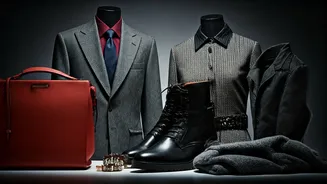
Accessories are vital elements in completing an outfit and expressing personal style. They can elevate a look and also create a visual statement. Accessories include jewelry, handbags, shoes, scarves, belts, and hats. When accessorizing, consider the occasion, the clothing's style, and personal taste. Layering necklaces, choosing statement earrings, or selecting a stylish belt can enhance any outfit. It's important to balance the use of accessories, ensuring they complement the clothes and don’t overwhelm them. Learning to select and integrate accessories is an essential skill for anyone aiming to master fashion and create a unique, finished look.
Seasonal Wardrobe Transitions
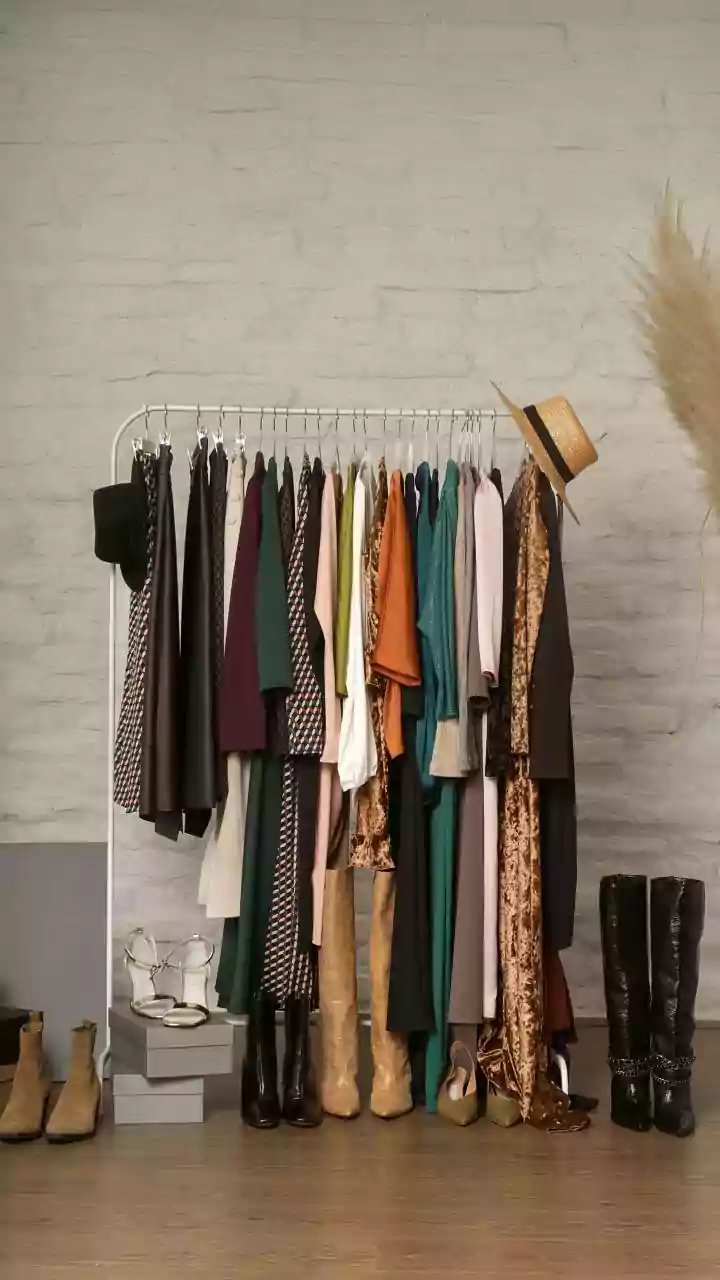
Adapting your wardrobe with seasonal changes enables you to stay stylish and comfortable. This requires transitioning between different fabrics, colors, and styles. In warmer months, lighter fabrics like cotton and linen, along with vibrant colors, are favored. In colder months, heavier fabrics like wool and cashmere, paired with darker tones, are appropriate. This transition involves organizing the wardrobe, storing seasonal items and adding versatile pieces that suit the changing weather. Updating one's wardrobe regularly with seasonal staples helps maintain a functional and fashionable collection, allowing adaptability to the weather while keeping one's style current.