




The Oiling Ritual
Many aim to improve their hair, only to cause accidental damage through common missteps. These include leaving oil on the scalp for extended periods, vigorous
scratching during application, using potent essential oils undiluted, washing with excessively hot water, and harbouring unrealistic expectations of rapid growth. Hair generally flourishes with gentle, consistent attention rather than forceful methods. Hair oils are not instant cures, but when applied correctly, they undeniably contribute to hair that is healthier and more robust over time. The enduring popularity of hair oiling across shifting beauty trends attests to its effectiveness. Whether you choose coconut oil for deep nourishment, rosemary oil for scalp invigoration, castor oil for enhanced strength, bhringraj for traditional Ayurvedic benefits, or almond oil for a lightweight, soft finish, the paramount virtue is patience. Remarkable hair seldom materializes overnight. However, a steady application, a healthier scalp environment, and the appropriate oil can gradually foster significant improvements.
Rosemary's Scalp Magic
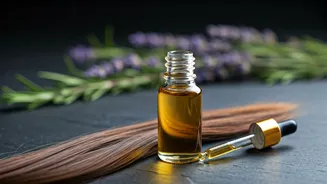
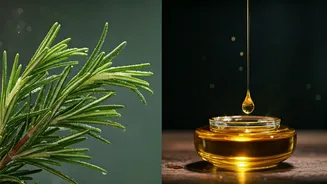
Rosemary oil has surged in popularity, gracing social media and influencer feeds, and this trend is grounded in solid reasoning. It's widely believed that rosemary oil can enhance blood circulation within the scalp, potentially fostering a more favourable environment for hair growth. Consequently, individuals experiencing early signs of thinning or hair loss due to stress are increasingly incorporating it into their hair care regimens. A crucial point to remember is that rosemary oil is an essential oil and should never be applied directly to the scalp. It must always be diluted with a carrier oil, such as coconut or almond oil, before application. Users appreciate rosemary oil for its light, refreshing feel, which avoids leaving the scalp feeling overly greasy. It is particularly effective for addressing hair thinning, reinforcing weak roots, mitigating stress-induced hair fall, and managing an oily scalp. A key piece of advice is to use it sparingly; a few drops are sufficient, as overuse can lead to scalp irritation rather than benefit.
Almond Oil's Gentle Touch
While almond oil may not receive the same widespread acclaim as coconut or rosemary oil, its merits are certainly deserving of greater recognition. This oil is remarkably lightweight, abundant in Vitamin E, and exceptionally beneficial for those who dislike the sticky residue left by heavier oils. For those residing in humid Indian cities where thicker oils can feel uncomfortable during warmer months, almond oil presents an excellent alternative, providing nourishment without making the hair feel burdened or suffocated. It proves especially useful for managing frizz and imparting softness to the hair. Individuals with finer hair textures often favour almond oil because it does not weigh their hair down significantly. It is an ideal choice for combating frizzy hair, managing fine hair types, alleviating mild dryness, and for daily nourishment. A practical tip involves rubbing a small amount between your palms and lightly applying it to hair ends after washing to effectively reduce frizz.
Bhringraj: Ayurvedic Elixir
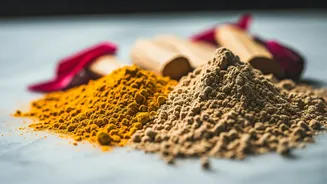
Bhringraj stands as a testament to the enduring efficacy of Ayurvedic ingredients in Indian hair care practices, having been a staple for generations. Revered as the 'king of herbs' for hair, bhringraj oil has a long-standing history of use in addressing issues like hair fall, weak roots, and scalp ailments. Often, it is combined with other potent Ayurvedic components such as amla and brahmi to amplify its nourishing properties. The soothing sensation that bhringraj oil provides to the scalp is a significant draw for many users. If your scalp feels irritated, itchy, overly warm, or stressed, this oil offers a surprisingly calming effect. Its primary focus is on delivering deep nourishment to the scalp, a foundational step for healthy hair growth. It is highly recommended for combating hair fall, strengthening weak roots, soothing scalp irritation, and revitalizing dull hair. For maximum benefit, it's advised to leave it on overnight, allowing ample time for the scalp to absorb its beneficial properties.
Coconut Oil's Timeless Power
Coconut oil undoubtedly merits its esteemed reputation. For years, its widespread use has persisted without the need for elaborate marketing campaigns or viral trends, simply because it consistently delivers results. Especially within India's diverse climate, coconut oil remains an exceptionally reliable option for individuals with dry, damaged hair. Its effectiveness stems from its ability to penetrate the hair shaft, rather than merely coating the hair and making it greasy. By doing so, it helps to minimize protein loss, a primary cause of hair becoming weak and brittle. If your hair feels coarse, frizzy, lacklustre, or prone to tangling, coconut oil can effectively restore vitality. It is also highly beneficial for those who frequently subject their hair to straightening, curling, colouring, or heat styling. A gentle massage with warm coconut oil prior to shampooing can yield noticeable improvements over time, achieved through gradual progress rather than immediate transformation. It is particularly effective for dry hair, frizz control, heat damage mitigation, and addressing split ends and breakage. A traditional Indian hair care tip involves heating the oil with a few curry leaves, a practice still highly regarded by many.
Castor Oil for Strength
Castor oil, while somewhat notorious for its thick, sticky consistency that can be challenging to manage and wash out, continues to be a favoured choice due to its remarkable ability to strengthen weak hair. It is rich in fatty acids, which play a vital role in sealing moisture into the scalp and lending the hair a fuller, shinier appearance. Many individuals also apply it to their eyebrows and eyelashes. Using pure castor oil can feel overly heavy, particularly during Indian summers, leading most people to blend it with lighter oils for easier application. Castor oil excels at reducing hair breakage, which directly impacts hair length and growth. If your hair frequently snaps at the ends, its overall growth rate will inevitably slow down. This oil is highly beneficial for thin hair, dry scalps, brittle strands, and sparse edges. A practical recommendation is to mix castor oil with coconut oil before application, making it significantly easier to spread and subsequently wash out.