
The Beauty of Imperfection
Anamika Khanna's recent collection, presented at Lakme Fashion Week 2026, centers on a captivating concept she terms 'misplaced beauty.' This idea stems
from a profound realization: that perfection isn't always the ultimate aesthetic goal. Instead, Khanna embraces the inherent beauty found in things that aren't meticulously resolved or perfectly aligned. For her SS'26 line, this translated into garments that deliberately eschew an overly polished appearance. Elements were intentionally placed asymmetrically, edges were left raw, and surfaces were designed to feel more organically hand-finished rather than machine-engineered. This approach isn't about creating chaos or appearing careless; rather, it's a conscious effort to imbue the clothing with a sense of authenticity and natural evolution. The aim is for the clothes to feel real, as if they've grown organically over time rather than being rigidly constructed into a final, unchangeable form, offering a refreshing departure from the pressure of flawless presentation.
Intentional Flaws, Refined Craft
Khanna clarifies that her embrace of imperfection is far from haphazard; it's a meticulously considered approach. She distinguishes between something being genuinely unfinished and something being intentionally left in a state of dynamic resolution. The designer places immense value on the unique touch of the human hand, believing that such irregularities lend a deeper sense of refinement than manufactured precision. While a garment might appear imperfect on the surface, its integrity is maintained through sophisticated technique, meticulous craftsmanship, and a keen understanding of proportion. This delicate balance between apparent flaw and underlying structure is what ensures the pieces remain desirable and elegant. The human element, with its subtle variations, is what truly elevates a garment, making it feel more personal and artful, rather than sterile and mass-produced.
Navigating Global Shifts
Over the past decade, the landscape of Indian fashion has undergone a significant transformation, moving from intricate traditional couture towards more globally adaptable hybrid styles. Khanna has been a key figure in this evolution for a considerable time, even before it became a widespread discourse. She recognized early on that consumers were seeking attire they could genuinely integrate into their lives, rather than pieces reserved solely for special occasions – they desired clothing that was edited and livable. This insight fundamentally reshaped her design process, leading her to skillfully blend traditional Indian aesthetics with a more universal understanding of fit, structure, and everyday wearability. This shift now feels less like an adaptation and more like a natural, organic progression in her design philosophy, focused on creating pieces that transcend geographical boundaries and simply belong to the person wearing them.
Preserving Indian Craft
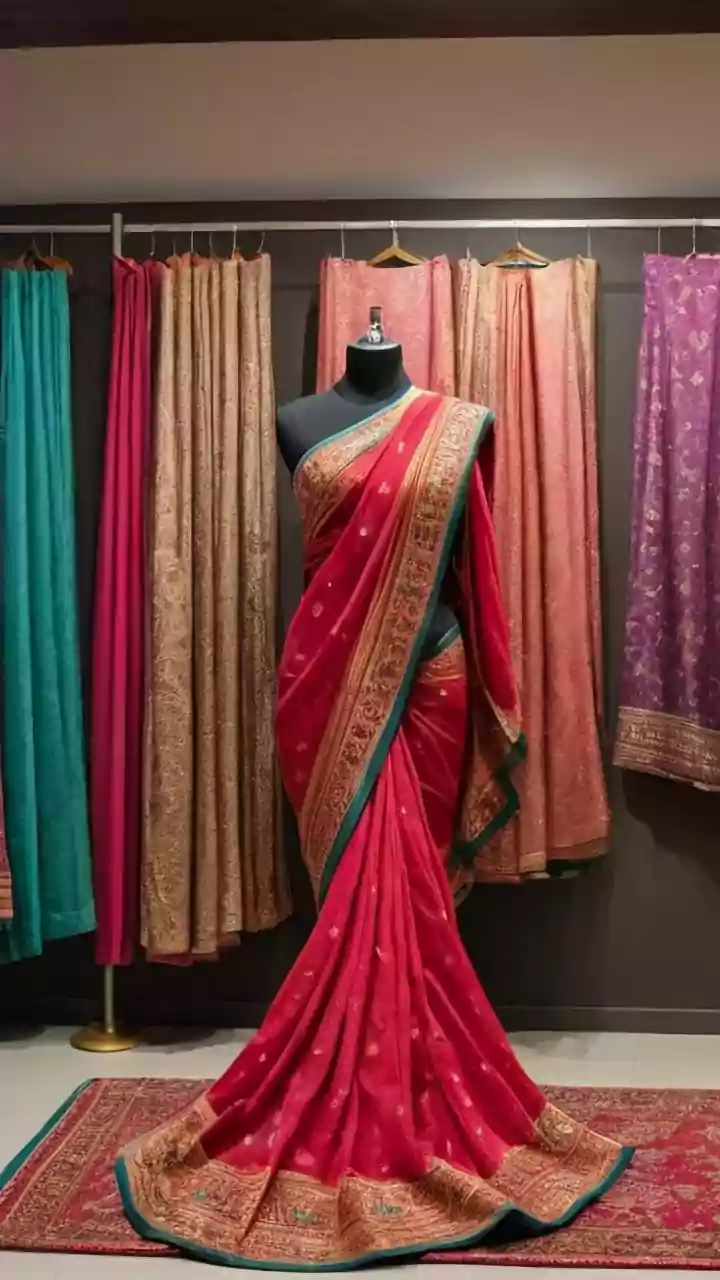
The relentless pace of fast fashion presents a significant challenge to the preservation of traditional craftsmanship. However, Khanna firmly believes that authentic craft operates on its own distinct rhythm, one that demands respect and cannot be artificially accelerated. Her creative process invariably begins with an intimate understanding of the karigar, the artisan, and the inherent time-intensive nature of their work. Simultaneously, she acknowledges that craft cannot remain static; it must evolve to resonate with contemporary lifestyles. By integrating traditional techniques into modern contexts, these crafts naturally find a place in everyday wardrobes, thereby ensuring their continued relevance and vitality. This approach ensures that the integrity of Indian artistry is upheld while making it accessible and desirable for the modern consumer.
The Evolving Consumer
According to Khanna, contemporary Indian consumers are increasingly discerning, demonstrating a growing awareness of design intricacies. There's a discernible shift towards appreciating the nuances of how a garment is constructed, how it feels against the skin, and how well it integrates into their personal lives. The modern individual is no longer content with being either over-styled or rigidly defined by their clothing. Instead, they seek a sense of flexibility and adaptability. This is precisely why current fashion collections are moving away from being solely occasion-driven and are increasingly focused on offering a broader spectrum of possibilities, allowing for greater personal expression and versatile styling.
Future Explorations
Following her deep dive into the principles of fluidity and imperfection, Khanna views these concepts not as fleeting trends but as fundamental modes of thinking about fashion. She has no intention of concluding this exploration; rather, she plans to expand upon this ideology of adaptability. Her future work will focus on creating garments that can be worn in multiple ways, clothes that can transform and evolve alongside the wearer. The ultimate goal is to design pieces that don't impose a definitive style but rather adapt and grow with the person who inhabits them, fostering a more dynamic and personal relationship between clothing and its owner.