


Kitchen Superfoods Explained
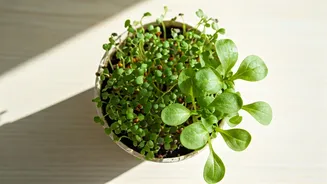
Microgreens are the miniature powerhouses of the vegetable world, harvested just as their first true leaves emerge. These delicate seedlings pack an astonishing
nutritional punch, often containing 4 to 40 times the vitamins and minerals found in their mature counterparts. They act as potent antioxidants, safeguarding your cells from damage, and are a readily absorbable source of essential nutrients like vitamins A, C, E, and K, along with crucial minerals such as iron, potassium, magnesium, and zinc. Cultivating them at home offers a remarkably cost-effective alternative to purchasing expensive superfood packs, ensuring you get clean, organic nutrition without the premium price tag. This practice of home gardening transforms simple seeds into vibrant, living food, contributing to both physical well-being and mental peace, especially for those with limited space or new to gardening.
Effortless Home Cultivation
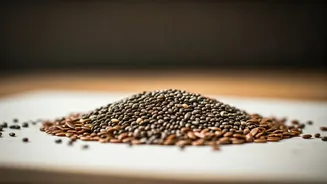
Forget expensive starter kits; your kitchen is all you need to begin growing these nutrient-dense microgreens. The process is remarkably simple, especially with seeds like chia, which excel due to their unique gelatinous property when wet, creating a natural, sticky medium for growth. Start by taking about a tablespoon of fresh chia seeds from your pantry. Overnight soaking is key; submerge them in water until they are fully hydrated. For your growing medium, you can opt for several layers of tissue paper or a piece of kitchen roll, ensuring it’s damp. Place your soaked seeds onto this moistened base within a shallow container. A crucial early step involves keeping the container in a dark spot for 24 to 36 hours, lightly misting the seeds periodically. Following this, move the container to a well-lit area, continuing to spray water daily and gently rotating the seeds on the paper until tiny sprouts emerge, typically within a few days.
Smart Growing Strategies
To ensure a continuous harvest of these health-boosting microgreens, incorporating a few smart practices is essential. Using only fresh seeds is paramount to avoid disappointing results; stale seeds are less likely to germinate. Implementing a weekly crop rotation will guarantee a steady supply of these nutritious greens throughout the month. While many seeds are suitable, it's advisable to steer clear of seeds from plants like potatoes, chili peppers, or brinjals, as they may not be ideal for microgreen cultivation. Regular harvesting not only provides you with immediate access to fresh greens but also encourages the plant to produce more foliage. Embracing these simple yet effective techniques not only drastically cuts down your grocery expenses but also cultivates a rewarding and enjoyable green hobby that nourishes both your body and your living space.