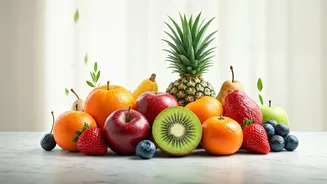





Berries: Tiny Powerhouses
Berries, including blueberries, strawberries, raspberries, and blackberries, stand out as exceptional choices for supporting heart health and managing
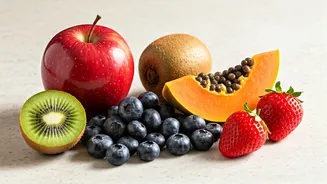
triglyceride levels. Their vibrant colors are a testament to their rich antioxidant content, and they offer a significant amount of dietary fiber. This fiber plays a crucial role in slowing down the absorption of sugars into the bloodstream, which is vital for maintaining stable blood sugar levels and preventing triglyceride spikes. Compared to many other sweet treats, berries possess a naturally lower sugar content, making them an easily integrated component into daily meals. Whether stirred into morning oatmeal, mixed into yogurt, or enjoyed as a simple, healthy snack, their consistent inclusion has been associated with improvements in key heart health indicators, including better triglyceride balance. This makes them a surprisingly effective, everyday addition that offers substantial benefits for cardiovascular well-being.
Apples: Simple & Effective
The humble apple, especially when consumed with its skin intact, serves as a remarkably straightforward and effective snack for those aiming to manage triglyceride levels. Its portability makes it an accessible option for busy lifestyles, while its inherent filling qualities contribute to satiety. The presence of soluble fiber is a key attribute, working diligently to decelerate the digestive process and promote more consistent blood sugar levels. This gentle, sustained release of energy is precisely what the body benefits from when striving for improved triglyceride balance. Consequently, apples emerge as an uncomplicated, go-to fruit that quietly yet effectively contributes to overall heart health through its regular consumption.
Pears: Gentle Fiber Source
Often overlooked, pears offer a delightful and beneficial option for dietary health, particularly concerning triglyceride management. Their tender, juicy texture makes them an appealing substitute for processed sweets when cravings arise. Crucially, pears are naturally abundant in fiber, a component that aids in moderating sugar absorption and fostering a more stable metabolic response. This is fundamental for individuals focused on achieving healthier triglyceride figures. When the skin is eaten, pears transform into an effortlessly incorporated, everyday fruit that performs essential, though often unheralded, work in supporting cardiovascular wellness. Their inclusion provides a sweet yet sensible approach to dietary choices.
Avocados: Unique Lipid Support
Avocados distinguish themselves on this list as a uniquely beneficial fruit for a heart-conscious diet, offering a rare blend of dietary fiber and monounsaturated fats. This powerful combination is instrumental in promoting healthier cholesterol profiles and supporting overall lipid balance within the body. In practical terms, incorporating avocados into daily meals leads to increased feelings of fullness and sustained energy levels throughout the day. Whether elegantly spread on toast, artfully tossed into salads, or simply presented as a side, avocados enrich meals, providing a sense of both luxurious texture and profound nourishment, contributing significantly to a balanced dietary approach.
Oranges: Vitamin C & Fiber
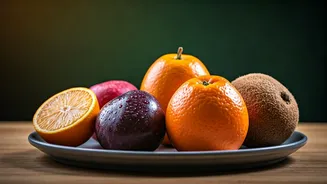
Whole oranges offer a compact package of vital nutrients, including vitamin C, water, and dietary fiber, making them a refreshing and beneficial choice. They provide a sensation of revitalization without feeling heavy, positioning them as an ideal alternative when seeking to reduce intake of sugar-laden desserts. Crucially, consuming oranges in their whole form, as opposed to juiced, ensures the retention of their beneficial fiber content. This fiber is pivotal in slowing sugar absorption and supporting a more stable metabolic process, which is a cornerstone for maintaining healthier triglyceride levels and promoting overall cardiovascular health.
Grapefruit: Zesty Balance
Grapefruit, with its distinctively sharp and bright flavor profile, can invigorate breakfast routines without adversely affecting sugar balance. Its effectiveness is maximized when enjoyed as a fresh half rather than processed into juice, thereby preserving its essential fiber content and ensuring a gentler impact on blood sugar regulation. This controlled impact is precisely what fosters a more stable metabolic rhythm, making grapefruit a clean, invigorating addition to dietary plans aimed at achieving healthier triglyceride levels and supporting overall well-being.
Kiwi: Tropical Convenience
The small kiwi fruit packs a significant nutritional punch, delivering a valuable mix of fiber, a mild natural acidity, and a refreshingly tropical essence. Its versatility allows it to be easily incorporated into various dishes, serving as a natural bridge from breakfast to a light dessert. The convenience factor is substantial; when a fruit is this simple to prepare and consume, it naturally finds its way into the diet more frequently. This consistency in consumption is a quiet but powerful force in gradually bringing triglyceride levels back into a healthier balance over time, making it a low-effort, high-reward addition to one's eating habits.
Peaches: Sweet Hydration
Peaches, particularly when ripe and enjoyed fresh, offer a soft, fragrant, and inherently satisfying experience. Their natural sweetness and substantial water content make them an excellent, refreshing alternative to richer dessert options. Furthermore, the fiber present in peaches aids in promoting a more gradual release of sugars into the bloodstream, preventing abrupt spikes. This ease of integration into daily eating patterns makes peaches a valuable component in building a more sustainable and heart-conscious lifestyle, contributing to long-term well-being through simple, enjoyable consumption.
Cherries: Natural Sweetness
Cherries provide a naturally sweet option that finishes cleaner than many processed snacks, making them particularly useful when a touch of indulgence is desired without compromising health goals. Their fiber content, combined with natural sugars, facilitates a more gradual absorption process, thereby circumventing the sharp metabolic disruptions that can arise from rapid sugar spikes. Whether consumed fresh or frozen, cherries integrate effortlessly into morning meals like oatmeal or yogurt, or simply as a satisfying fruit bowl, transforming everyday eating into an experience that is both gratifying and supportive of healthier triglyceride levels.
Pomegranate: Tart Crunch
Pomegranate seeds introduce a delightful crunch, a vibrant tartness, and a visually appealing element that elevates even the simplest of meals. Beyond their aesthetic and textural contributions, these seeds actively support heart health. Consuming them whole, rather than as juice, ensures the preservation of their dietary fiber, which is crucial for a more measured release of sugars into the system and a steadier metabolic response. Sprinkled over salads, grains, or yogurt, pomegranate seeds offer a dual benefit of adding both texture and a subtle, consistent boost towards achieving healthier triglyceride levels, making them a smart and engaging dietary addition.
Berry Overnight Oats
This recipe offers a remarkably effortless breakfast solution that provides sustained energy throughout the day. It prioritizes the natural sweetness found in berries, sidestepping the need for added sugars. Oats and chia seeds contribute substantial fiber, which is key to slowing digestion and maintaining stable blood sugar levels. To prepare, combine rolled oats, plain yogurt, and chia seeds in a container, add a hint of cinnamon and a generous portion of mixed berries. Allow it to chill in the refrigerator overnight. In the morning, a sprinkle of walnuts adds a welcome crunch and healthy fats before enjoying the chilled preparation.
Citrus Salmon Grain Bowl
This vibrant dish is designed to be as visually appealing as it is nutritionally balanced. The richness of salmon is beautifully complemented by the zestiness of citrus, while the inclusion of whole grains and fresh greens creates a deeply satisfying meal. Begin by preparing a base of cooked brown rice or quinoa. Layer on grilled or pan-seared salmon, followed by fresh spinach or your preferred greens. Top with fresh orange segments and slices of avocado. A light dressing of olive oil, a squeeze of lemon juice, and a touch of salt and pepper completes this wholesome bowl.
Apple-Pear Crunch Salad
This salad champions simplicity and textural contrast, relying less on cooking and more on the interplay of fresh ingredients. Each bite offers a satisfying blend of crisp fruit, fresh greens, and a delightful crunch. It provides a refreshing yet substantial experience, making it an ideal option for lunch or a light dinner when seeking a clean and uncomplicated meal. To assemble, thinly slice apples and pears, leaving the skin on for added texture. Toss these with a bed of mixed greens and incorporate cucumber slices for freshness. Finish with a scattering of pomegranate seeds and a handful of pumpkin seeds for crunch. A light dressing of olive oil and a splash of vinegar ties all the flavors together without overpowering the natural fruit sweetness.