

The Shoe Accumulation Dilemma
The fashion industry often pushes the idea that a diverse shoe collection is essential for every outfit and occasion. However, fashion experts observe
that most people tend to gravitate towards a consistent rotation of just a few favorite pairs. This habit leads to an accumulation of footwear that often goes unused. The '3-Pair Rule' emerges as a practical framework, not necessarily limiting ownership to just three pairs, but rather guiding individuals to identify which shoes truly serve a purpose. By distinguishing between essential, frequently used items and those kept out of habit or impulse, this approach helps declutter closets and promotes mindful consumption. The core principle emphasizes versatility, ensuring that the shoes you own are frequently utilized, which extends their lifespan and contributes to a more sustainable wardrobe. Identifying and relying on a core set of three versatile shoe styles can significantly reduce decision fatigue and enhance daily efficiency when getting dressed.
Defining Your Core Trio
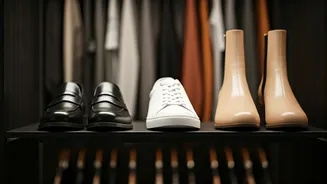
The foundation of the '3-Pair Rule' lies in selecting versatile shoes that cater to different aspects of your daily life. The first essential pair is your 'Everyday Casual Shoe.' This should be a comfortable, go-to option like trainers, clean white sneakers, or easy slip-ons that seamlessly pair with jeans, casual trousers, and relaxed weekend attire. These shoes are designed to handle daily errands, walking, and casual meet-ups, so quality and durability are paramount. Neutral colors like white, black, navy, or grey offer maximum styling flexibility. Next, consider your 'Smart or Work-Appropriate Shoe.' This category encompasses footwear that elevates your appearance for professional settings, dinners, or any occasion requiring a polished look. Styles like loafers, Oxford shoes, chic ankle boots, or classic pumps fit here. The key is to find something comfortable enough for extended wear throughout the day, as a beautiful shoe that causes discomfort after a few hours defeats its purpose. This pair acts as a bridge between casual and formal. Finally, the third slot is dedicated to an 'Activity or Lifestyle-Specific Shoe.' This choice is entirely personal, reflecting your unique routines and interests. For active individuals, this might be specialized running shoes or gym trainers. Others might opt for hiking boots, beach sandals, or formal heels if they frequently attend special events. This shoe should genuinely align with how you spend your time, rather than aspirational activities you rarely engage in.
Decluttering with Strategy
Once you've identified your essential three pairs, the next crucial step involves thoughtfully addressing the remainder of your shoe collection. Begin with a 'Wear-Frequency Audit.' Pull out every pair of shoes and honestly assess when you last wore them. If a pair hasn't been worn in over six months, and there's no seasonal justification (like keeping winter boots stored during summer), it's likely time to part ways. Be realistic about 'special occasion' shoes; if you haven't attended a formal event in years, those expensive heels are likely occupying valuable space unnecessarily. Next, 'Reassess Comfort and Support.' Discomfort is a primary reason why shoes go unworn. If a pair causes pain, blisters, or foot aches, it serves no practical purpose, regardless of its original cost or aesthetic appeal. Shoes you can't comfortably wear hold no value. Additionally, 'Review Your Storage and Rotation.' If your shoes are hidden away in boxes or stacked so they're out of sight, you'll naturally forget about them and won't wear them. The '3-Pair Rule' inherently simplifies this by reducing clutter and making your daily choices visible and accessible. Lastly, 'Donate or Resell Thoughtfully.' Shoes in good condition can be donated to charity shops, sold on resale platforms, or passed on to community groups. Worn-out pairs should be recycled whenever possible to prevent them from ending up in landfills. This decluttering process is about practicality and ensuring your footwear serves you well, rather than holding onto items out of guilt.