
The Trend Treadmill
The digital age has accelerated the pace of fashion to a dizzying degree, with new micro-aesthetics emerging almost weekly. This constant barrage of trends
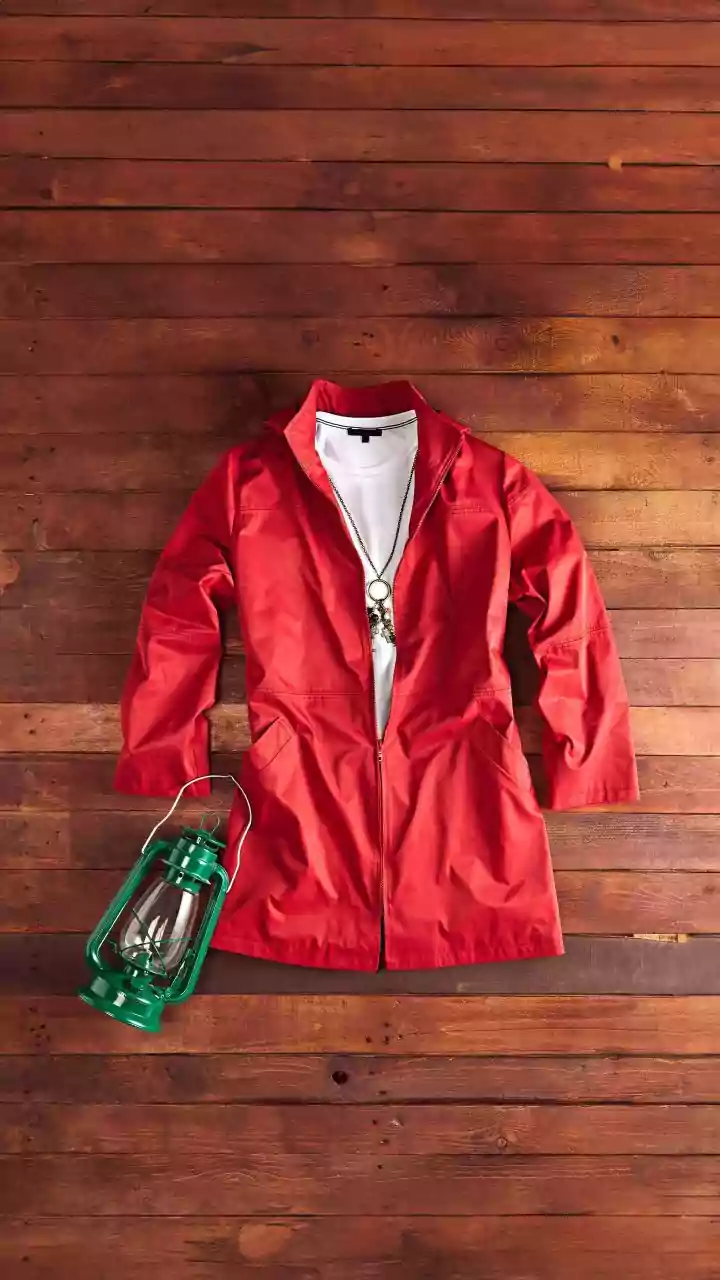
can feel overwhelming and exhausting, driving a relentless cycle of consumption. In this environment, the profound words of Yves Saint Laurent, "Fashions fade, style is eternal," offer a refreshing perspective. This sentiment, however, has roots in the philosophy of Coco Chanel, who famously stated, "La mode passe, le style reste" (Fashion passes, style remains). Saint Laurent masterfully adapted this idea to the modern wardrobe, aiming not for temporary relevance but for lasting impact through his Rive Gauche line. Iconic creations like Le Smoking tuxedo and the safari jacket exemplify this approach, representing significant shifts in personal presentation that continue to resonate decades later, proving they are far more than transient fads.
Commerce Versus Identity
The fundamental distinction lies between fashion as an industry and style as an intrinsic part of one's identity. Fashion actively seeks your constant engagement, feeding on the fear of becoming outdated. It champions conspicuous branding, viral internet aesthetics, and seasonal releases designed to render your current wardrobe obsolete. Its very design promotes obsolescence to ensure continuous purchasing. Conversely, style demands self-awareness and a quiet confidence in understanding what truly suits your lifestyle and physique. It's about opting for the understated elegance of a traditional veshti over a structured suit simply because an algorithm suggested tailoring is currently in vogue. Genuine sophistication does not need to be loud to be remembered, signifying a deeper connection to personal expression over external validation.
The Quiet Luxury Shield
There's a growing cultural fatigue with the relentless pace of disposable fashion, leading to a significant shift towards valuing heritage and minimalism. Saint Laurent's declaration has become a cornerstone philosophy for the contemporary 'quiet luxury' movement, as individuals seek stability in a world characterized by impermanence. The contrast between fashion and style mirrors that of a disposable gadget, prone to breaking, versus a meticulously crafted vintage watch from a renowned house. The former serves a basic function, while the latter embodies enduring craftsmanship and a rich narrative. This move towards permanence is reshaping our approach to wardrobes, challenging the notion of constant reinvention as a necessary pursuit. Embracing timeless designs provides a sanctuary from the cacophony of trend cycles, reminding us that fashion dictates who we *should* be, while style simply affirms who we *already* are.
The Economics of Forever
The evolving perspective on personal presentation is leading to a reassessment of the constant need for wardrobe updates. The societal pressure to perpetually reinvent ourselves is increasingly recognized as a trap. Choosing enduring designs is no longer just a matter of sartorial preference; it serves as a protective buffer against the relentless noise of the trend cycle. Fashion consistently attempts to dictate current identity, urging us to conform to the latest dictates. In contrast, style is an expression of self-knowledge, an authentic reflection of who we are. This economic shift encourages investment in pieces that transcend seasons, valuing longevity and intrinsic quality over ephemeral popularity, ultimately promoting a more sustainable and personally fulfilling approach to dressing.