




Fabric Distinctions Evident
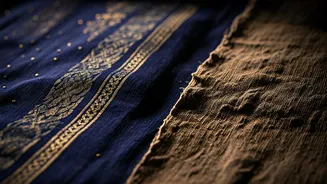
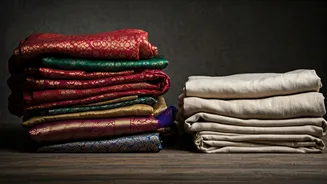
The most striking difference in ancient Indian attire was the material used, immediately signaling an individual's social standing. Royalty adorned themselves
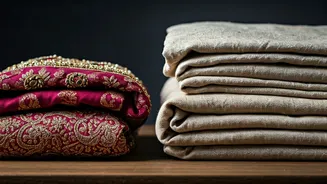
in luxurious fabrics like fine silk, known as kauseya, exquisite muslin, and opulent brocades. These premium materials were often acquired through extensive trade networks, particularly prominent during the Maurya and Gupta empires, where the art of zari (gold thread) weaving and the use of perfumed fabrics also flourished. In contrast, the common populace wore attire crafted from simple, durable cotton. These ensembles prioritized functionality and comfort, featuring basic silhouettes with minimal dyeing, reflecting a life focused on practicality rather than ostentation.
Embellishments and Ornamentation
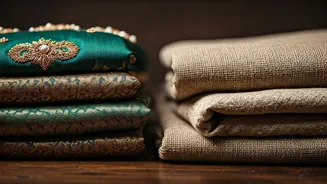
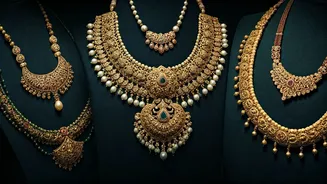
The level of adornment on clothing served as another clear indicator of status. Royal garments were rarely understated, often featuring elaborate designs. Think extensive detailing with heavy gold threads, intricate gemstone embellishments, richly decorated borders, and elaborate motifs. Decorative sashes and statement waistbands further enhanced the grandeur of royal attire. Commoners' clothing, however, exhibited a stark absence of such lavish decoration. Their outfits typically showcased simple hemline stitches, and any decorative prints were generally reserved for special occasions like festivals, appearing only as modest accents on their simpler garments.
The Language of Colors
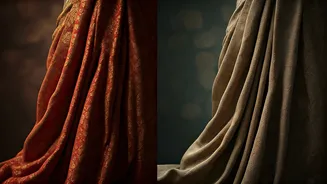
Color played a pivotal role in the visual language of ancient Indian clothing, distinctly differentiating classes. Royal wardrobes predominantly featured deep, rich hues such as vibrant reds, auspicious saffron, lustrous gold, and deep royal blues. These striking colors were derived from natural dyes like indigo and madder, with their saturation and intensity signifying immense wealth and power. The everyday attire of a common person, conversely, consisted of muted, earthy tones. They often wore undyed cotton or fabrics that were only lightly dyed, reflecting a connection to the land and a more modest existence.
Draping and Layering Styles
The construction and presentation of garments also differed significantly. Ancient Indian clothing heavily relied on draping and was largely unstitched. Royal attire often involved a finely pleated dhoti or antariya, paired with an uttariya, a draped upper garment typically made of silk. The use of multiple layers of stoles, scarves, and sashes was common, adding to the regal splendor and creating a voluminous silhouette. While stitched garments gained popularity later, early royal dressing emphasized grandeur and presence. Commoners, on the other hand, favored simpler drapes. Women might wear a saree-style calf-length drape, while men opted for basic dhotis. They often used a short upper cloth and fewer layers, primarily due to the prevailing hot climate. Ultimately, while royal clothing prioritized visual impact and grandeur, commoners' attire focused on ease of movement and comfort for daily life.